Grande figure de Narnia
Aslan
The great lion who sings Narnia into existence, sacrifices himself for Edmund, and returns, book after book, to call, guide, and judge.
Repères
- Espèce
- Lion (divine being in lion form)
- Nom original
- Aslan
- Autre traduction
- Aslan
- Autres noms
- the Great Lion · the Son of the Emperor-Beyond-the-Sea · the King of the Beasts (honorific title)
- Titres
- Lord of the Forest · King above all High Kings
- Origine
- The Land of Aslan (Beyond the World's End)
- Allégeance
- Narnia and all the worlds
- Famille
- Emperor-Beyond-the-Sea (Father)
- Première apparition
- **The Magician's Nephew, ch. 8 (Creation of Narnia) — in order of publication: The Lion, the Witch and the Wardrobe**
- Âge
- In brief
En bref
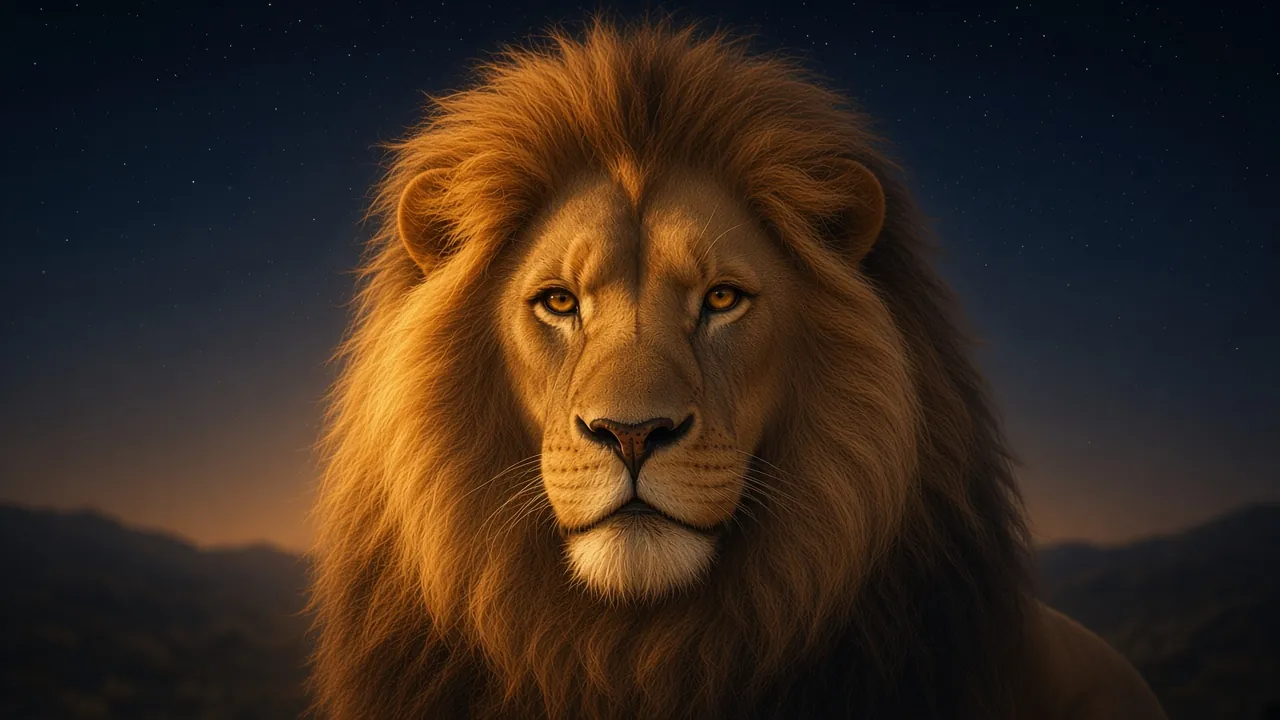
Aslan is the beating heart of The Chronicles of Narnia. He is a massive, golden lion, both terrifying and gentle, who does not appear on demand : he comes when he chooses, often when the heroes have exhausted all their own strength. He is the son of the Emperor-Beyond-the-Sea and, in a way Lewis intentionally leaves mysterious, the creator, protector, and judge of Narnia. He is the only character present in all seven books.
His name comes from the Turkish aslan, meaning “lion.” Lewis had chosen it after seeing the word in the notes of an edition of One Thousand and One Nights.
« Of course he isn’t safe. But he is good. »
Of course he isn't safe. But he's good.
— Mr. Beaver, The Lion, the Witch and the Wardrobe, ch. 8
Personality
Aslan is “not tame” : he cannot be predicted or manipulated. His majesty makes people tremble, but he also plays with Lucy and Susan like a giant kitten. He consoles, but never tells anyone his own story. He can be severe : he speaks the truth and does not flatter.
Appearance and analysis
For Lewis, Aslan is not a one-to-one allegory of Christ, but a “supposal.” It is about imagining how Christ might appear in another world. The Christian parallels are obvious : death for a traitor, resurrection, creation by the word, and final judgment. Many readers also see him more broadly as a figure of grace and wonder. The site presents this reading openly, without imposing it : one can love Aslan without sharing Lewis’s faith (see the page “Reading Narnia as a Christian… or not”).
Relations
- The Emperor-Beyond-the-Sea : his father, whose Deep Magic expresses the law.
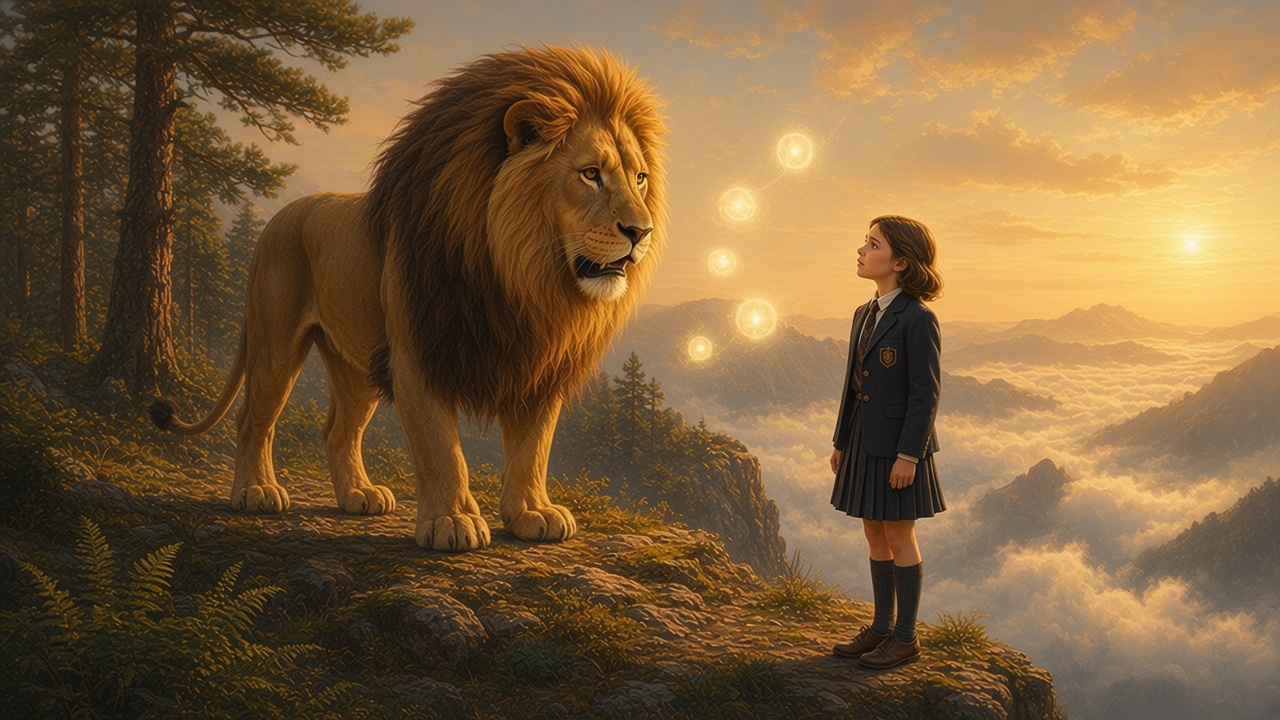
- Lucy : the closest to him. She often sees him first and loves him unconditionally.
- Edmund : the traitor for whom Aslan gives his life, and who becomes “the Just.”
- Jadis : his adversary since the first days of Narnia.
- Shift : the false Aslan in The Last Battle.
- Puzzle : the donkey mistaken for Aslan in The Last Battle.
Name and translations
Aslan means “lion” in Turkish (arslan in Old Turkish). Lewis had found the word in the notes of an edition of One Thousand and One Nights. The name is preserved in all French translations.
Notable quotes (paraphrased)
- He is not a tame lion, but he is good (Mr. Beaver, The Lion, the Witch and the Wardrobe). - He never tells anyone his own story, never that of another (The Horse and His Boy). - In our world, he has another name, and the children came to Narnia to learn to know him there (The Voyage of the Dawn Treader, ch. 16). - The real story is only beginning, and every chapter is better than the last (The Last Battle).### Aslan in the seven books He sings the creation of Narnia (The Magician’s Nephew), dies and rises again on the Stone Table (The Lion, the Witch and the Wardrobe), guides Shasta without appearing (The Horse and His Boy), dances with Bacchus and awakens the trees (Prince Caspian), appears as an albatross and a lamb (The Voyage of the Dawn Treader), sends Jill and Eustace on a mission from his mountain (The Silver Chair), and judges the creatures at the end of the world (The Last Battle).
Symbolism
Lewis refused the word "allegory." He spoke of "supposition" : what would Christ be like if He incarnated in a world of talking beasts ? The lion comes from biblical tradition ("the Lion of Judah"), and the lamb in The Voyage of the Dawn Treader confirms this. The site treats this reading openly, without making it a mandatory key.
Dans les livres


Son histoire dans les livres (révèle l’intrigue)
The story
The Magician’s Nephew
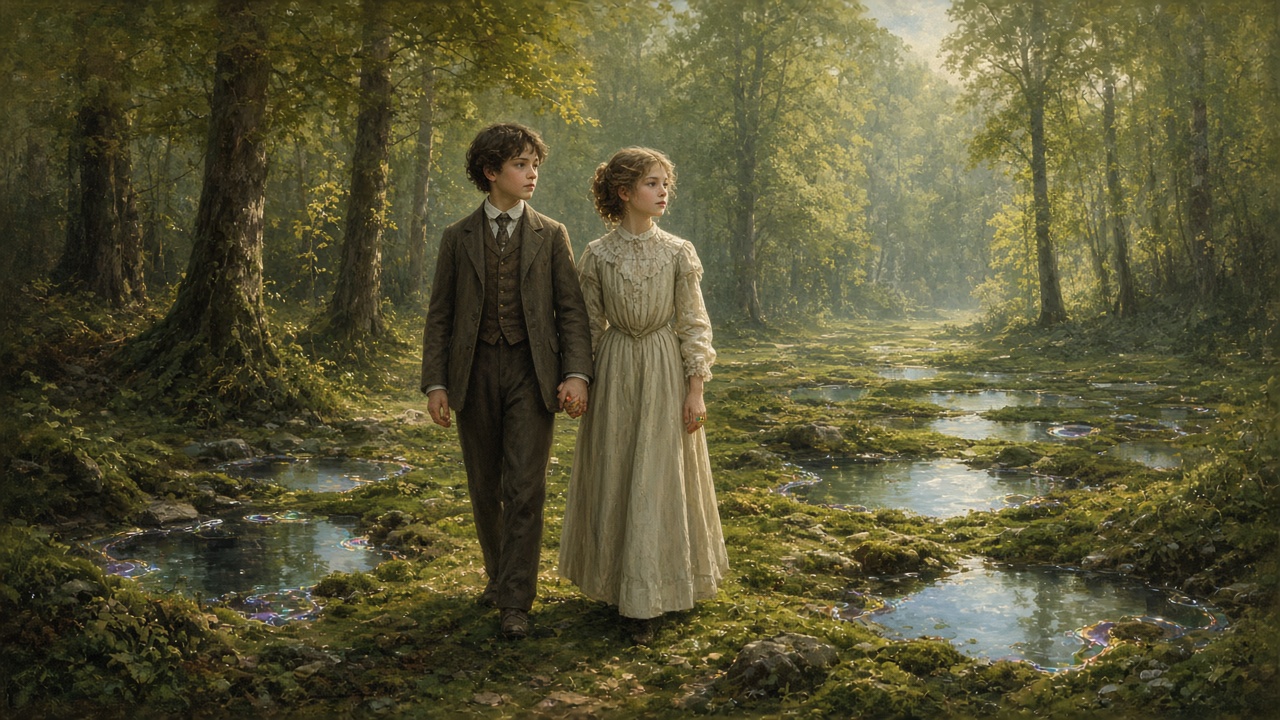
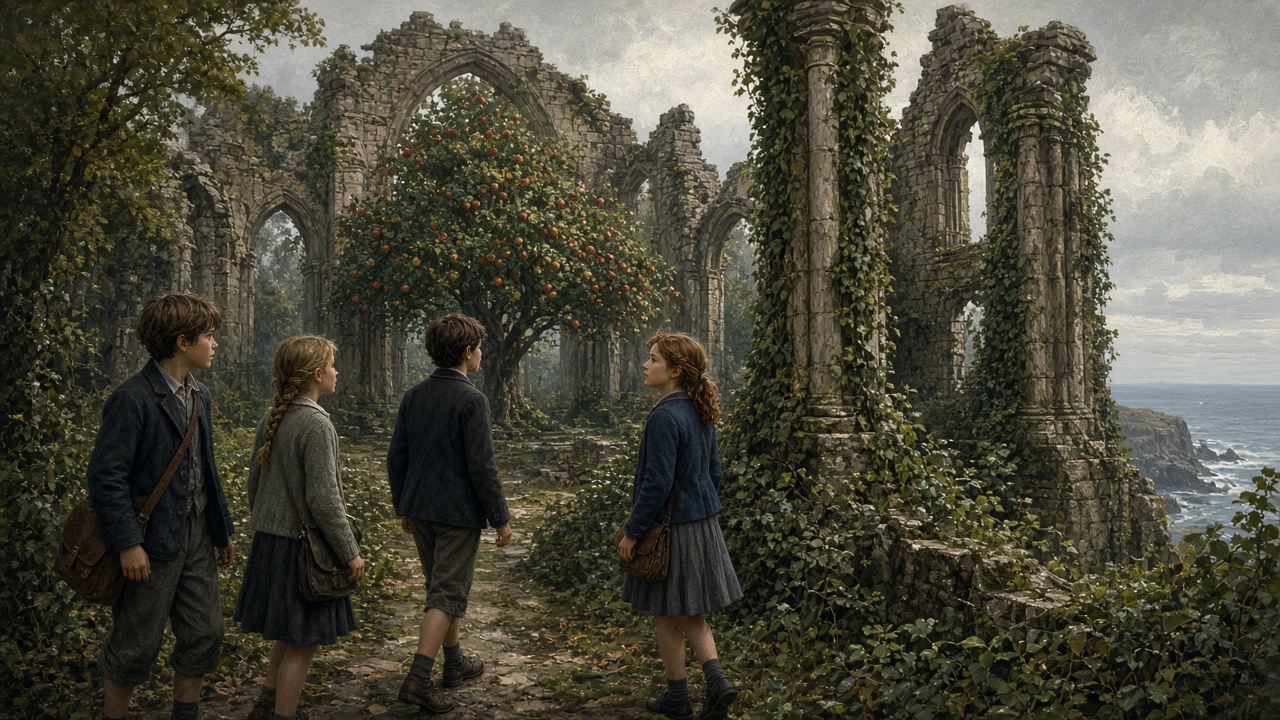
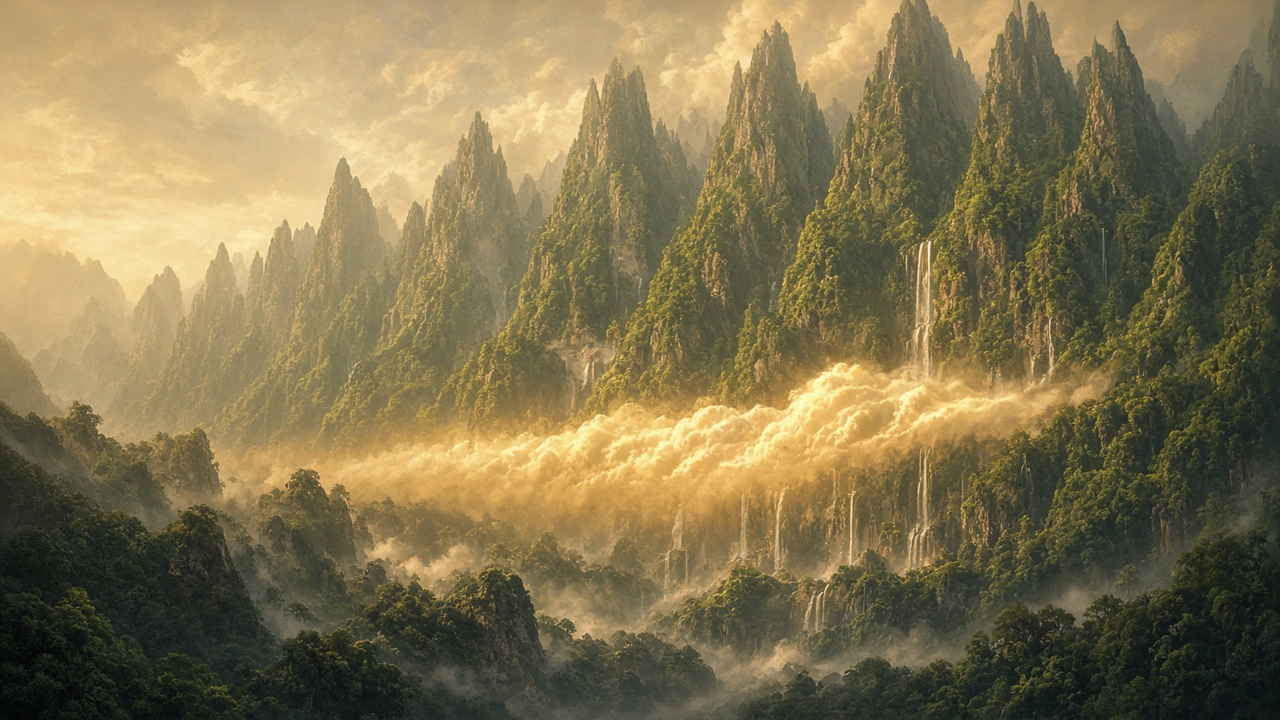
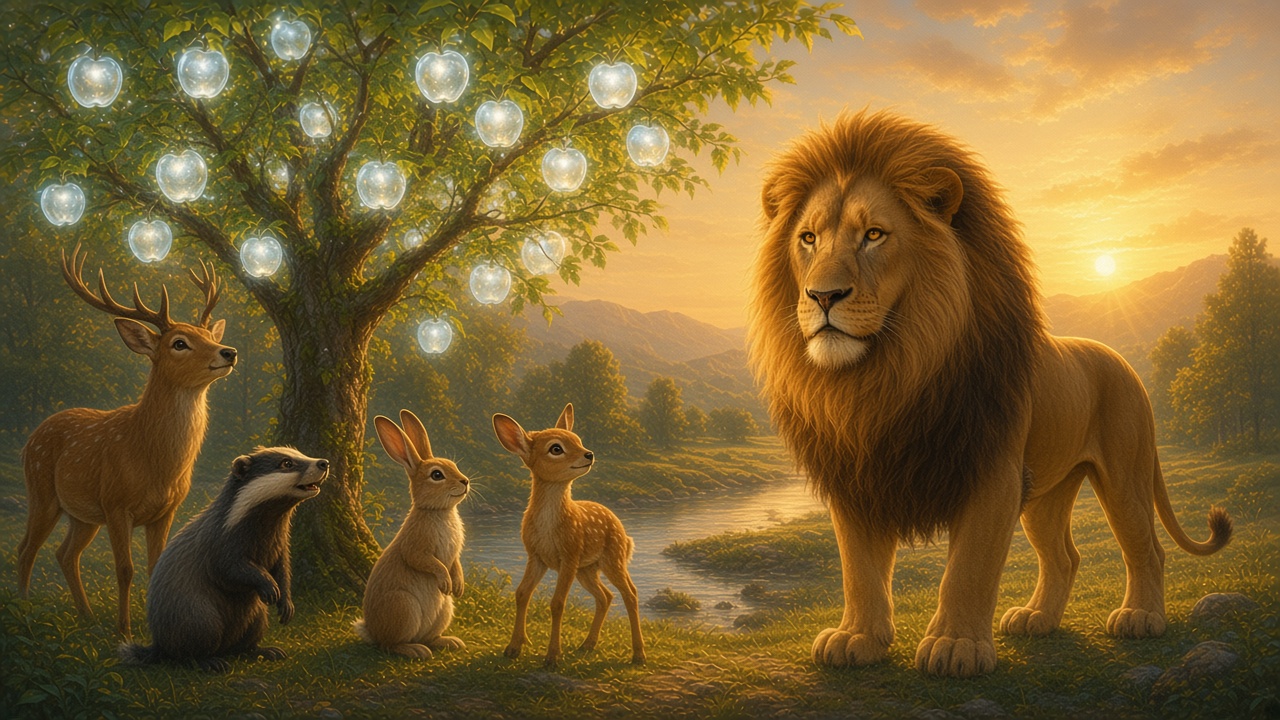
In an empty, dark world, Aslan sings : the stars ignite, the sun rises, then plants and animals emerge from the earth. He chooses some animals to give them the power of speech and entrusts the new land to a London cab driver, Frank, and his wife Helen, the first king and queen. Digory, who had brought Jadis the White Witch into this new world, is given a mission of reparation : to bring back the apple that will protect Narnia.
The Lion, the Witch and the Wardrobe
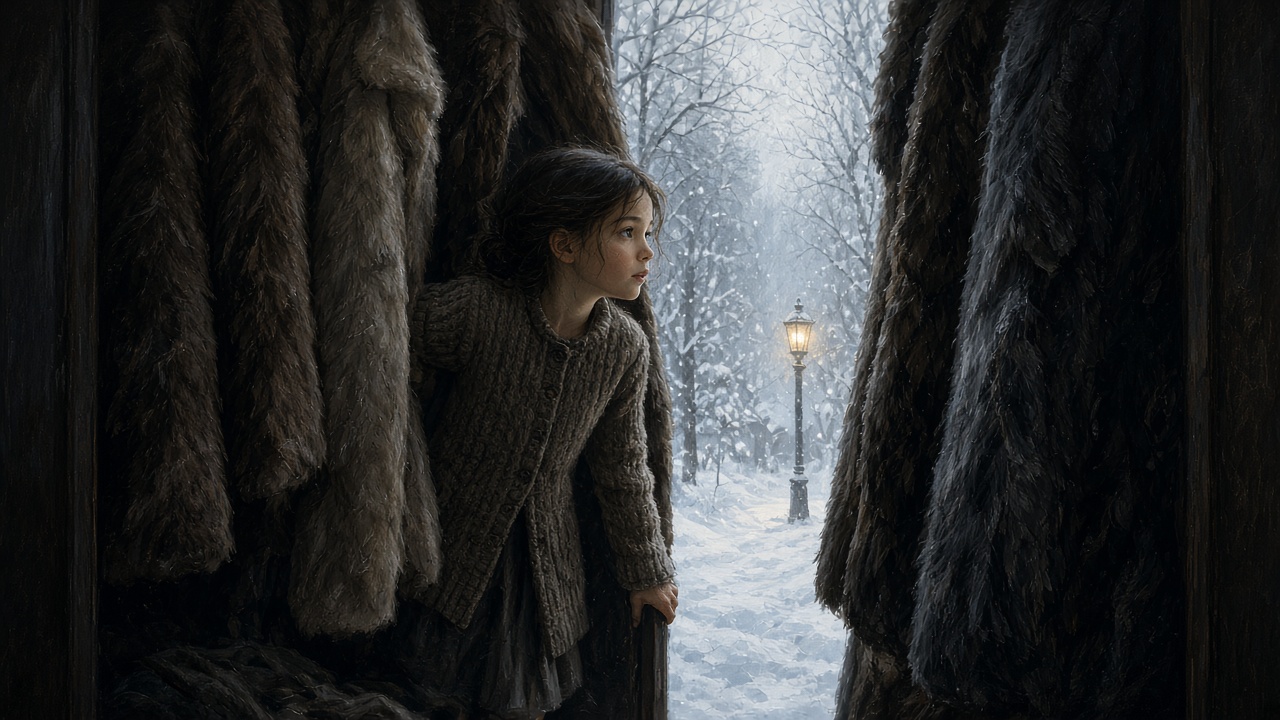
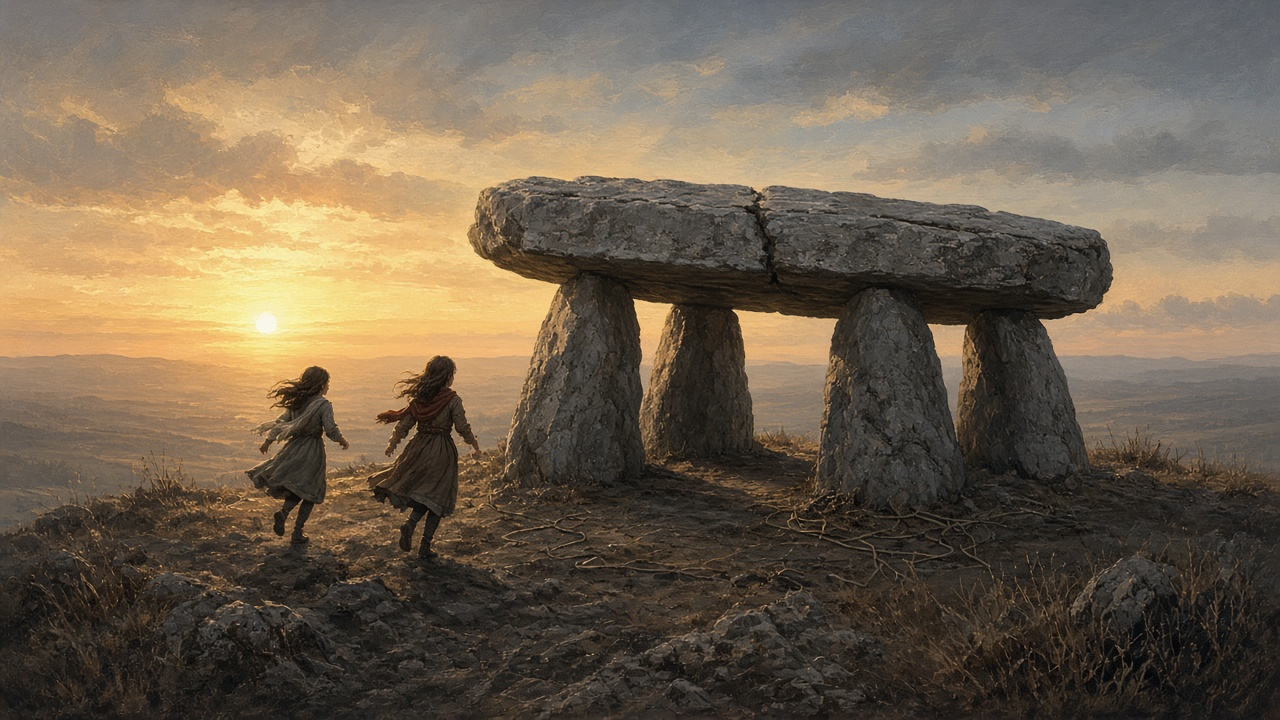
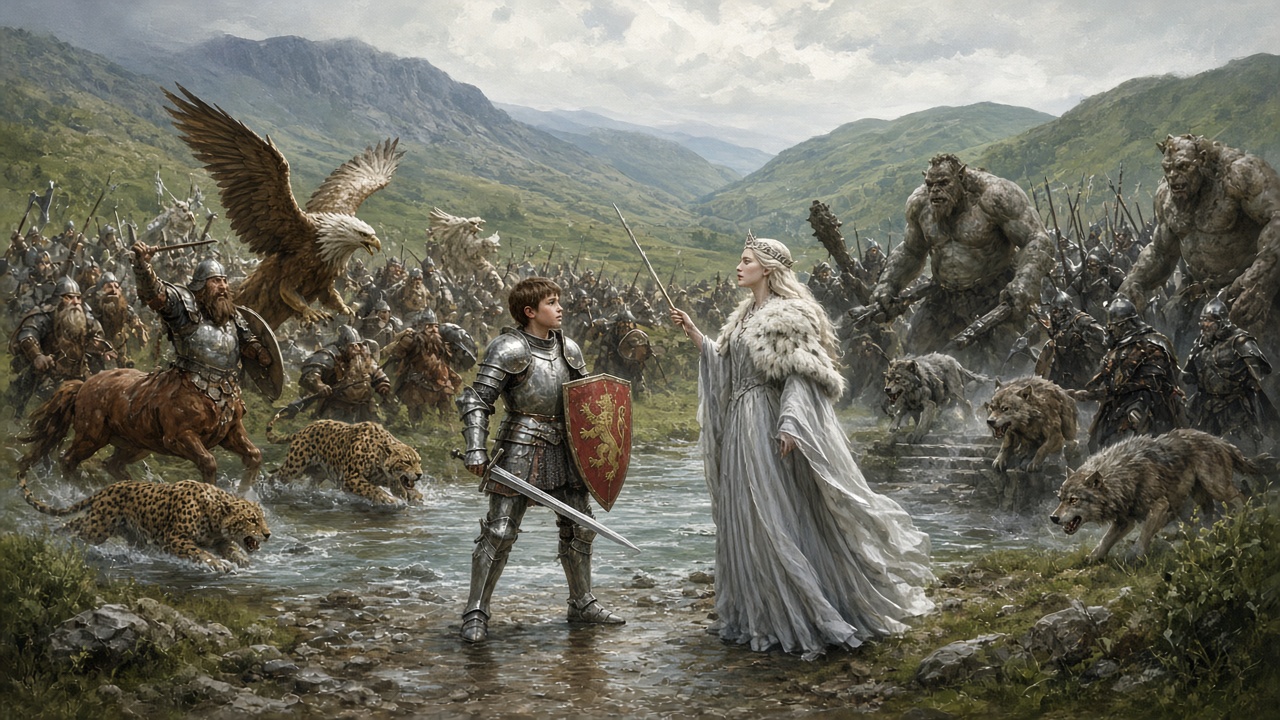
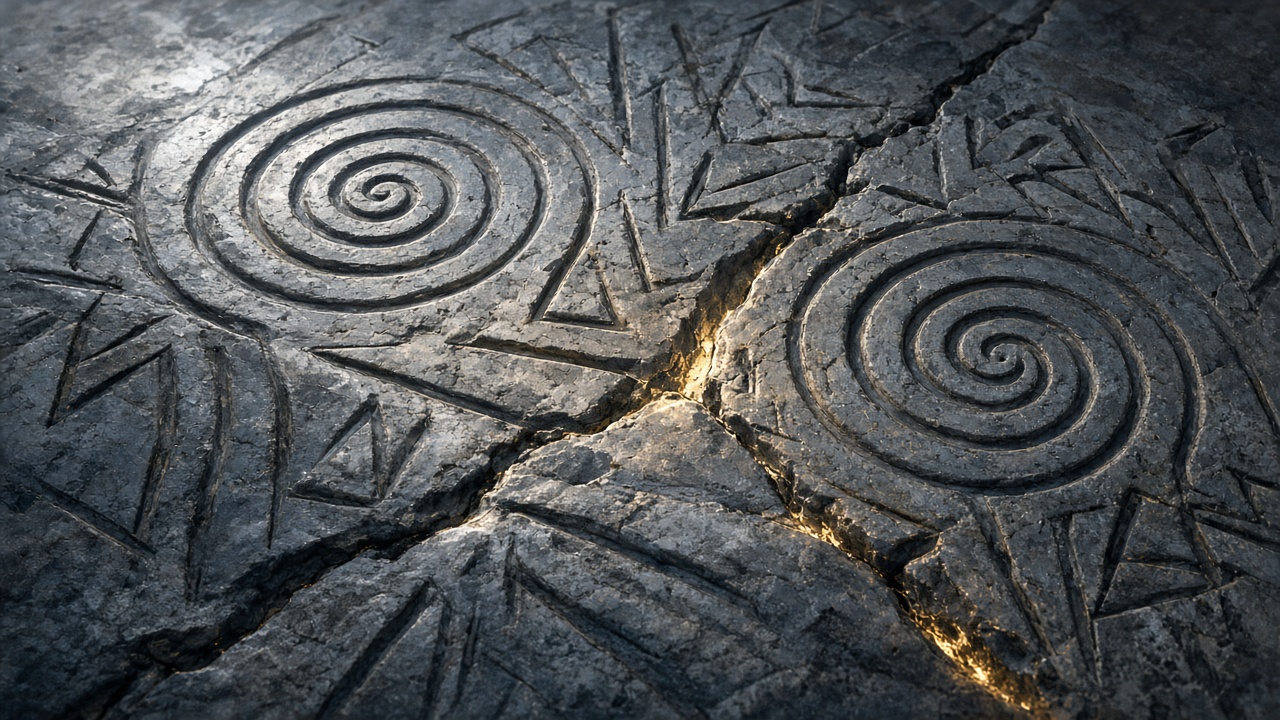
A thousand years later, Narnia is frozen in a spell of eternal winter without Christmas. The saying goes that “Aslan is on the move,” and spring returns with him. Edmund has betrayed his brother and sisters. According to the Deep Magic, the life of a traitor belongs to the White Witch, and Aslan agrees to die in his place on the Stone Table. A deeper magic, older than the world, breaks the table : Aslan returns to life, revives the petrified creatures, and gives victory to the Narnians.
The Horse and His Boy
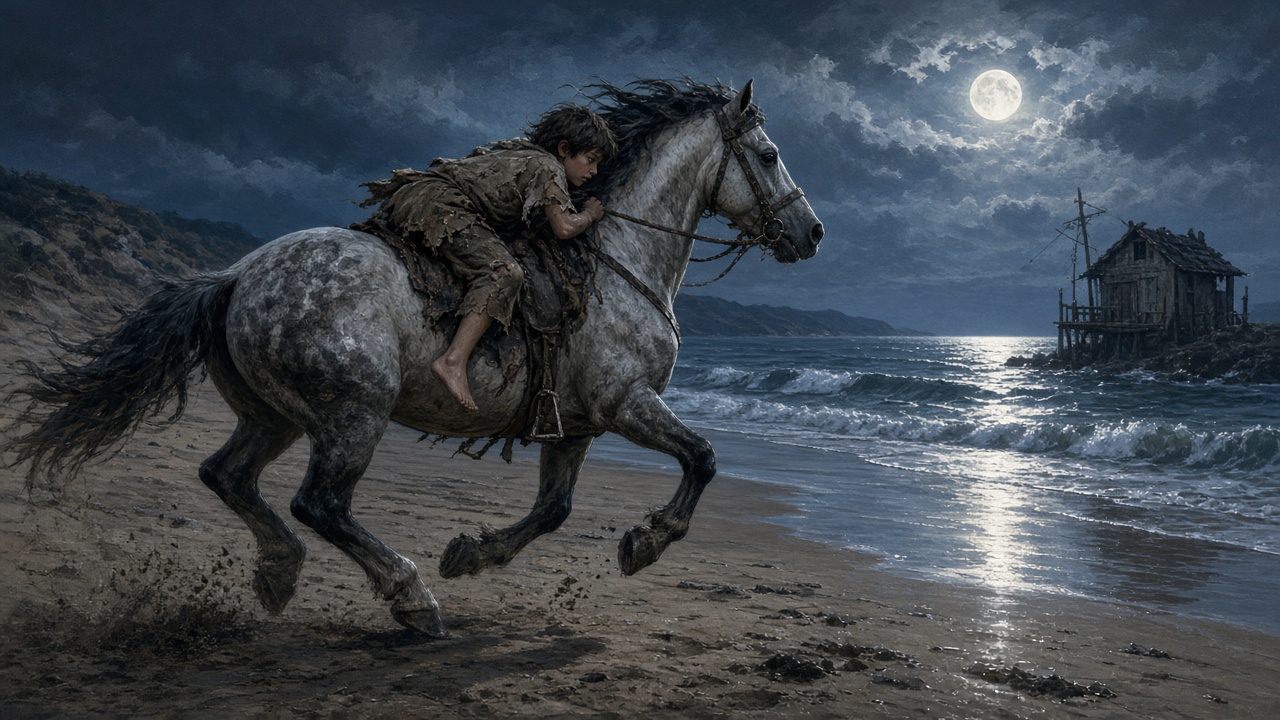
He remains almost invisible, but he is always at work. Shasta discovers at the end that the lion who pushed, protected, and comforted him throughout his journey was always Aslan.
Prince Caspian, The Voyage of the Dawn Treader, The Silver Chair, The Last Battle
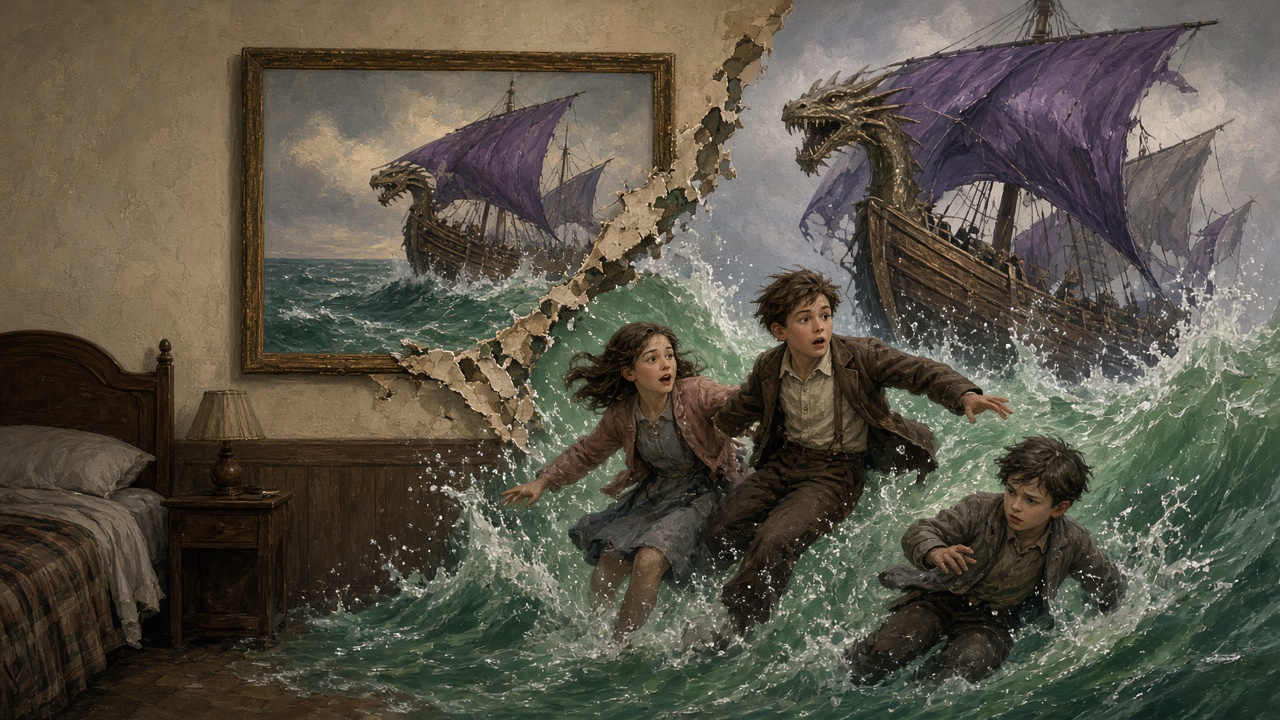
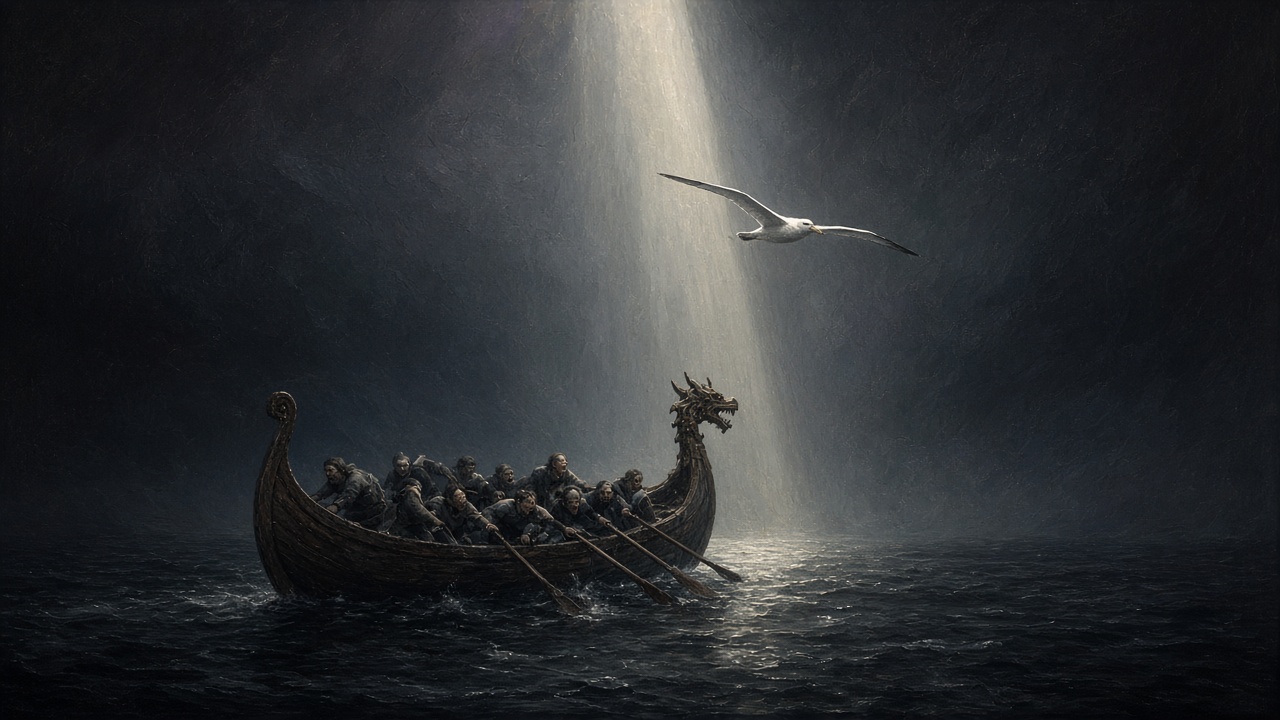
Lucy is the first to see him, and she must follow him without waiting for the others. He rescues Eustace from his dragon skin and reveals to the children that he has another name in our world. Finally, he gives Jill four signs to find Prince Rilian.
The Last Battle
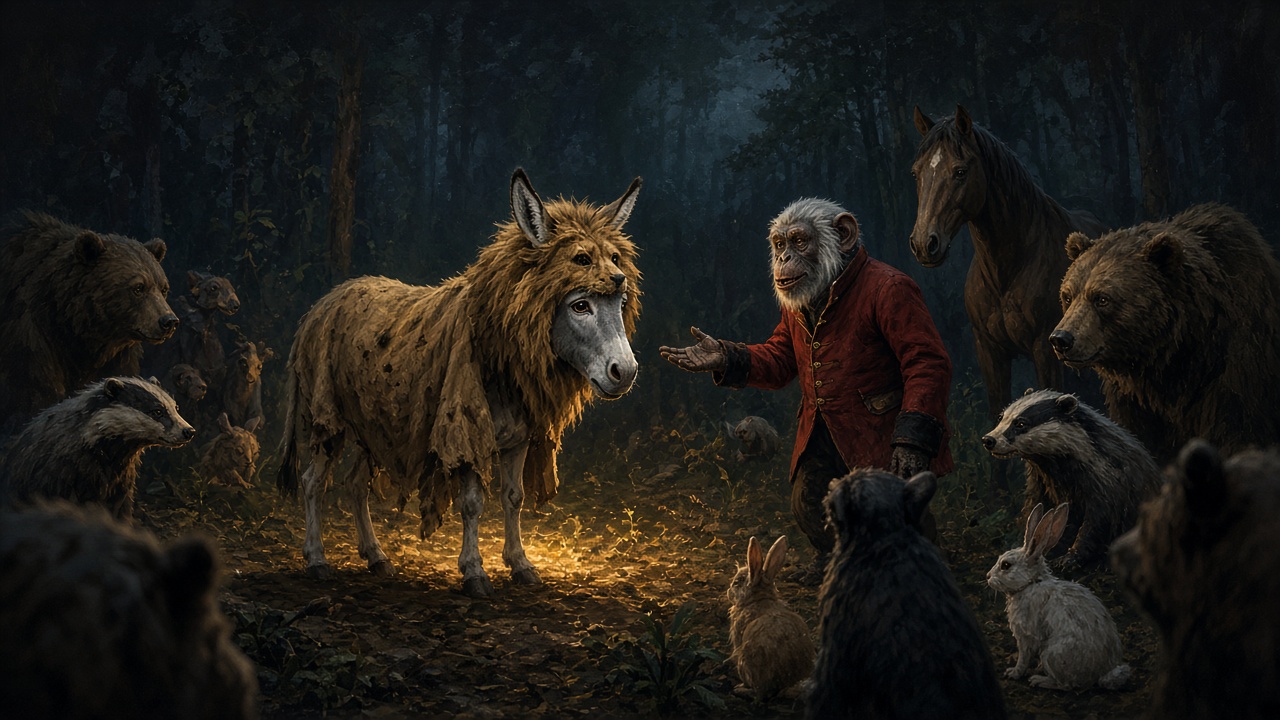
A monkey has dressed a donkey up as a false Aslan. The real Aslan appears at the end : he ends the story of Narnia, judges the creatures who come before him, and opens to his friends the “true Narnia,” more real than the old one.
Lieux liés
- Sur la carte
- Sur la carte
- Sur la carte
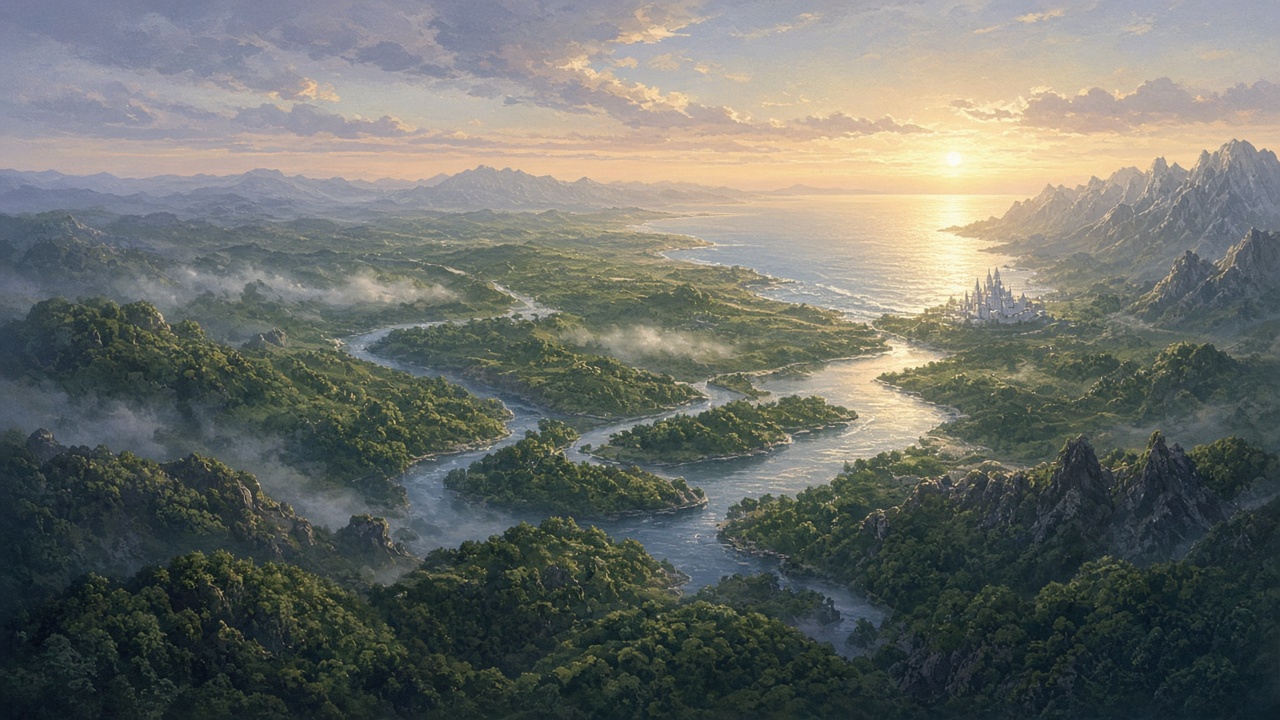
- Sur la carte


Objets liés


Peuples liés

Galerie
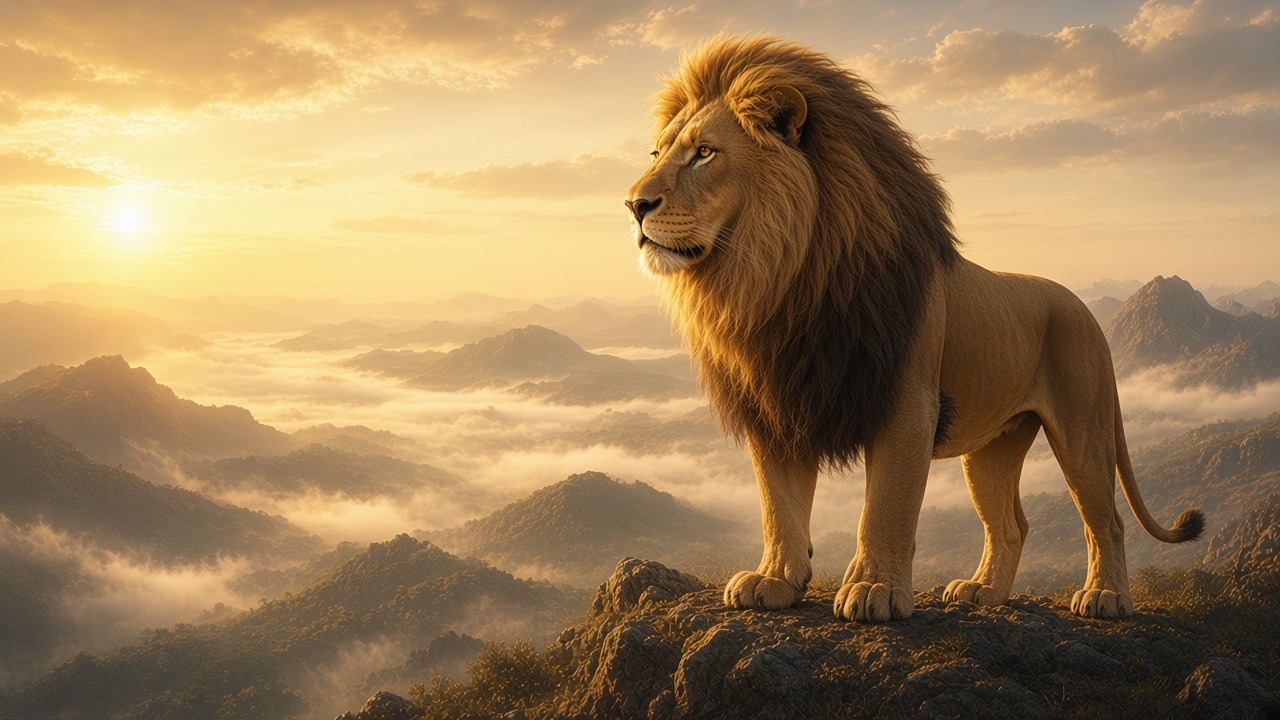
Aslan debout de profil sur une crête rocheuse, toute sa stature visible 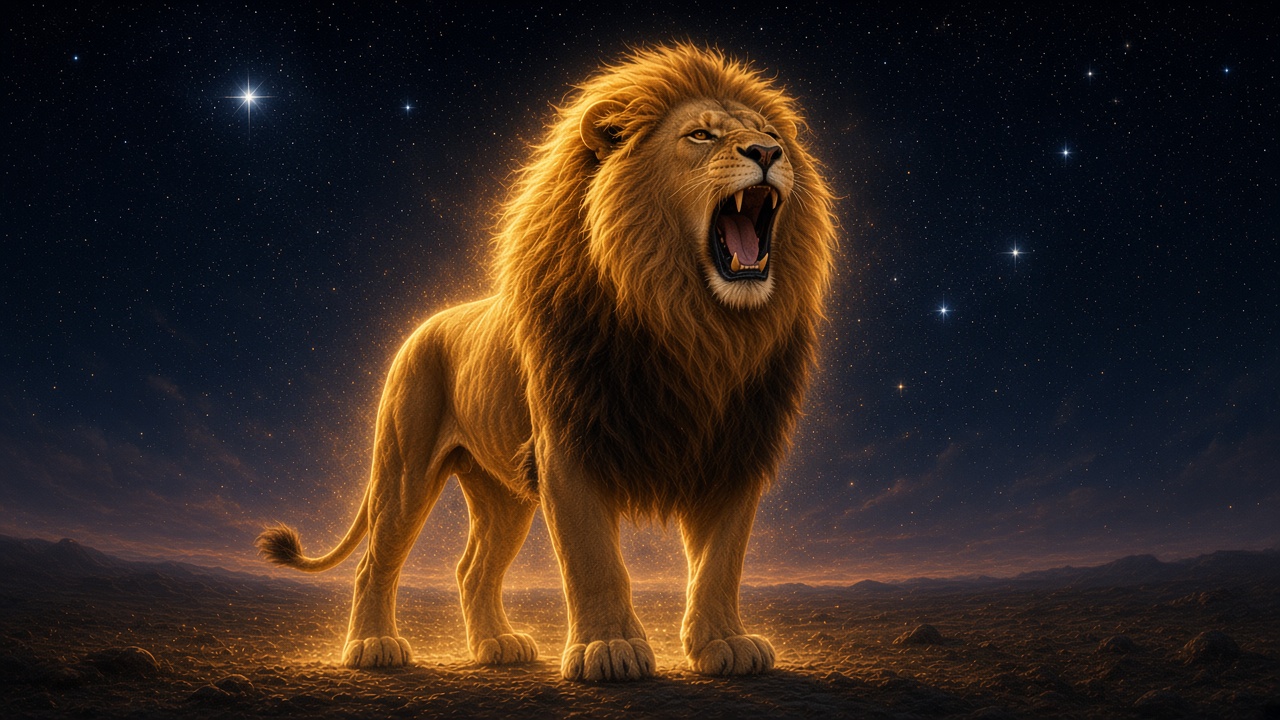
Aslan chante dans les ténèbres tandis que les premières étoiles apparaissent 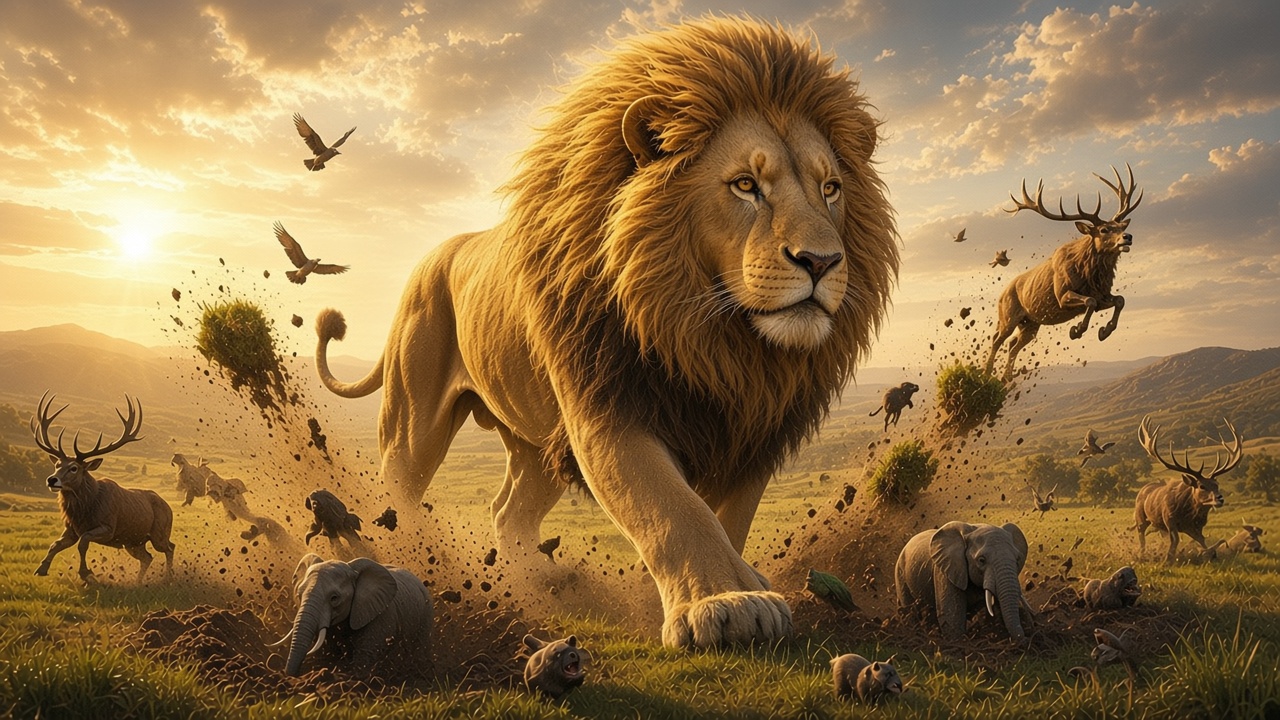
Des animaux sortent de bosses de terre autour d'Aslan 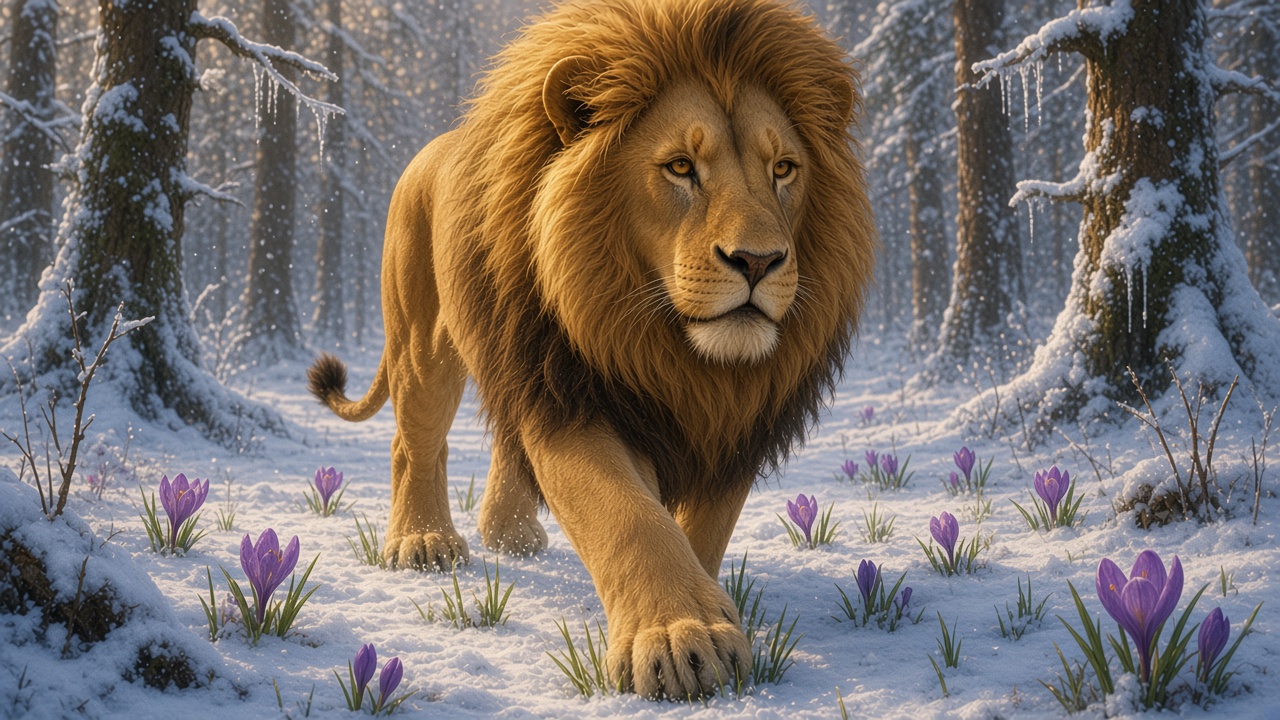
La neige fond sous les pattes d'Aslan dans une forêt 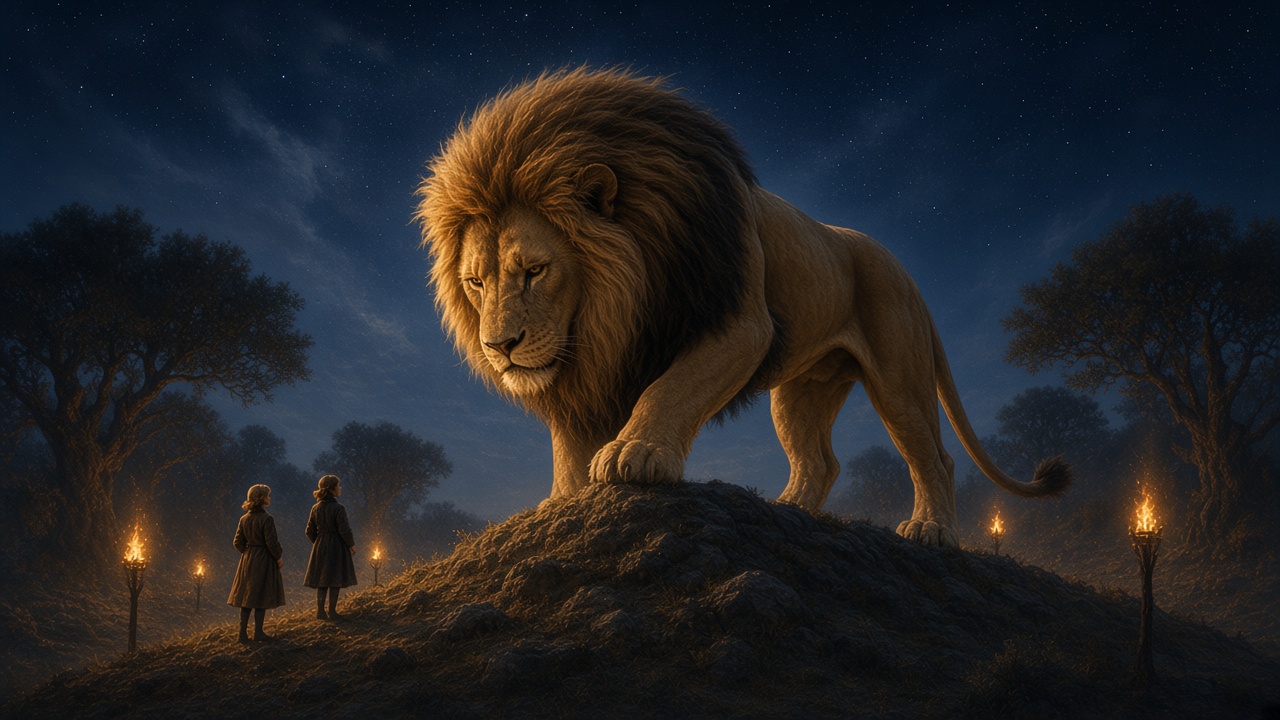
Aslan marche seul vers la Table de Pierre, suivi de loin par deux fillettes 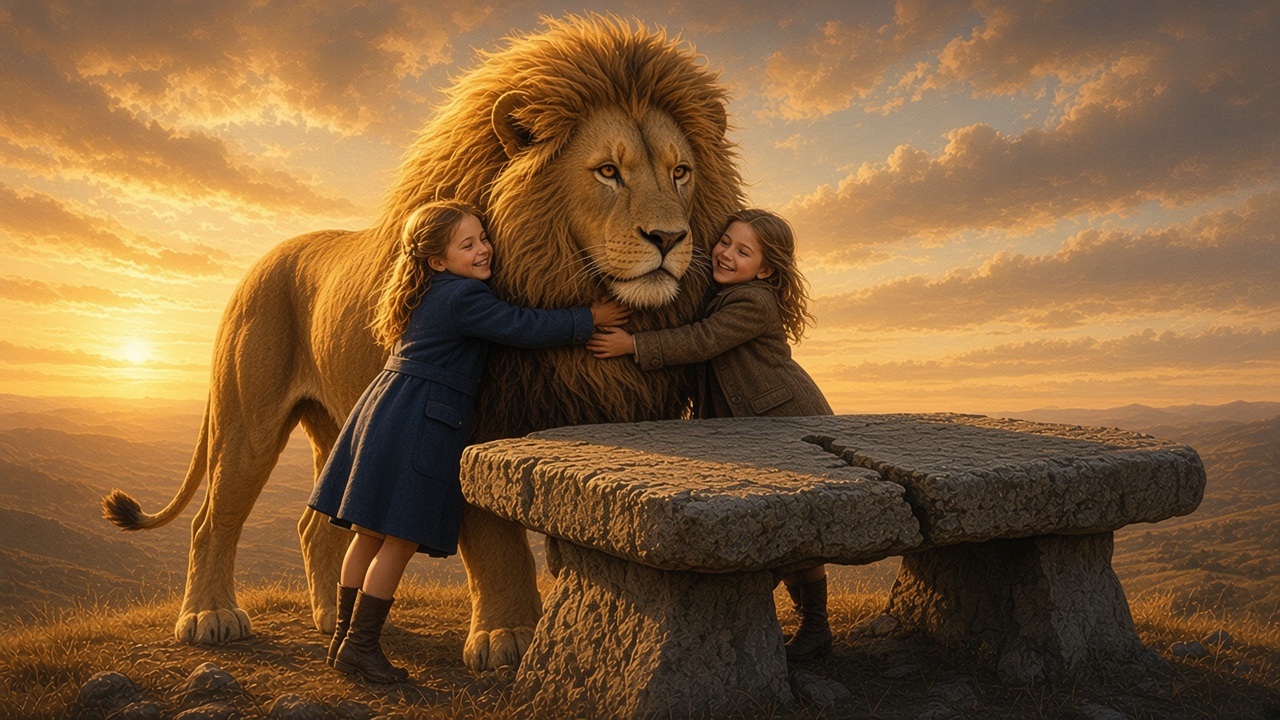
La Table de Pierre fendue en deux au lever du soleil, Aslan revenu 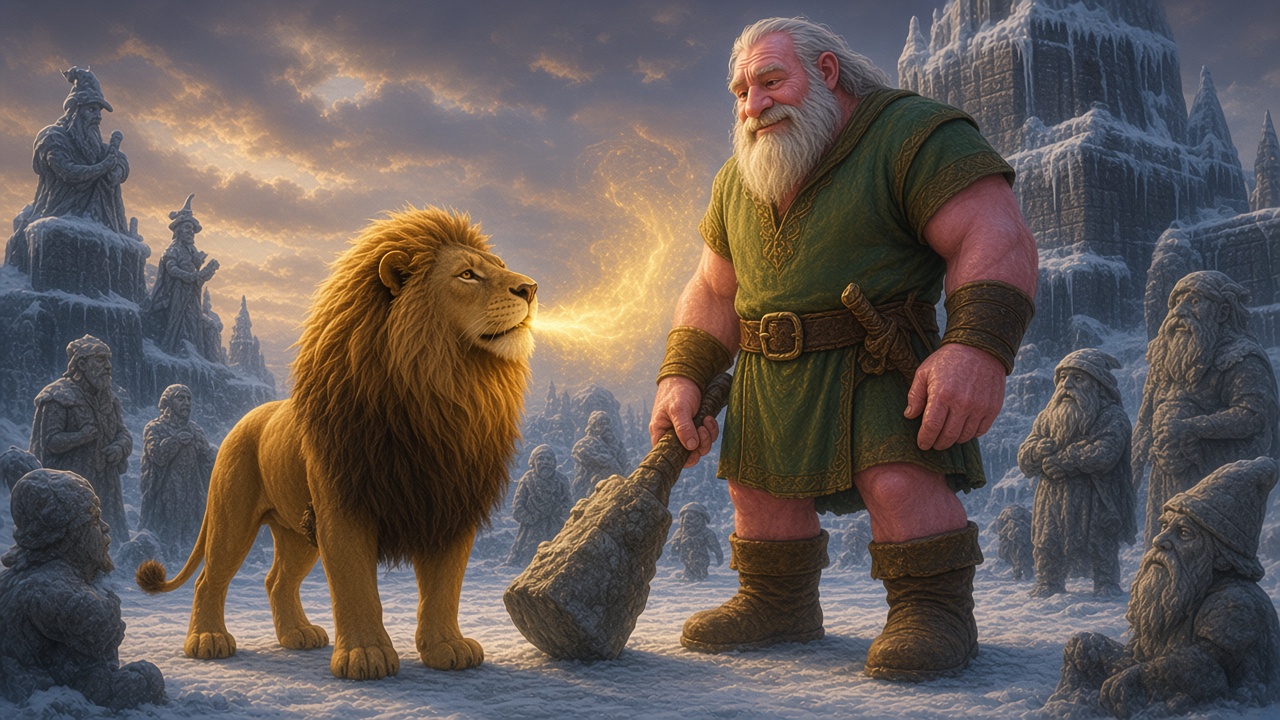
Aslan souffle sur des statues de pierre qui reprennent vie dans une cour enneigée 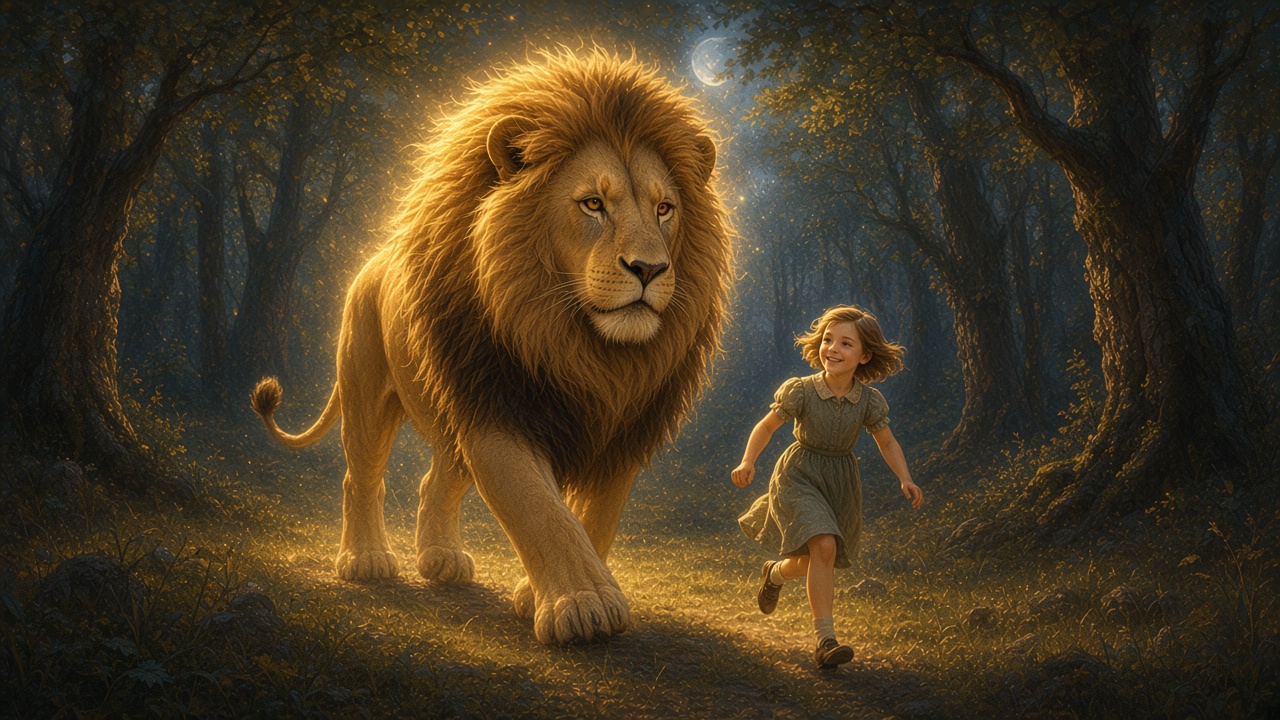
Lucy court vers Aslan entre des arbres qui semblent danser au clair de lune 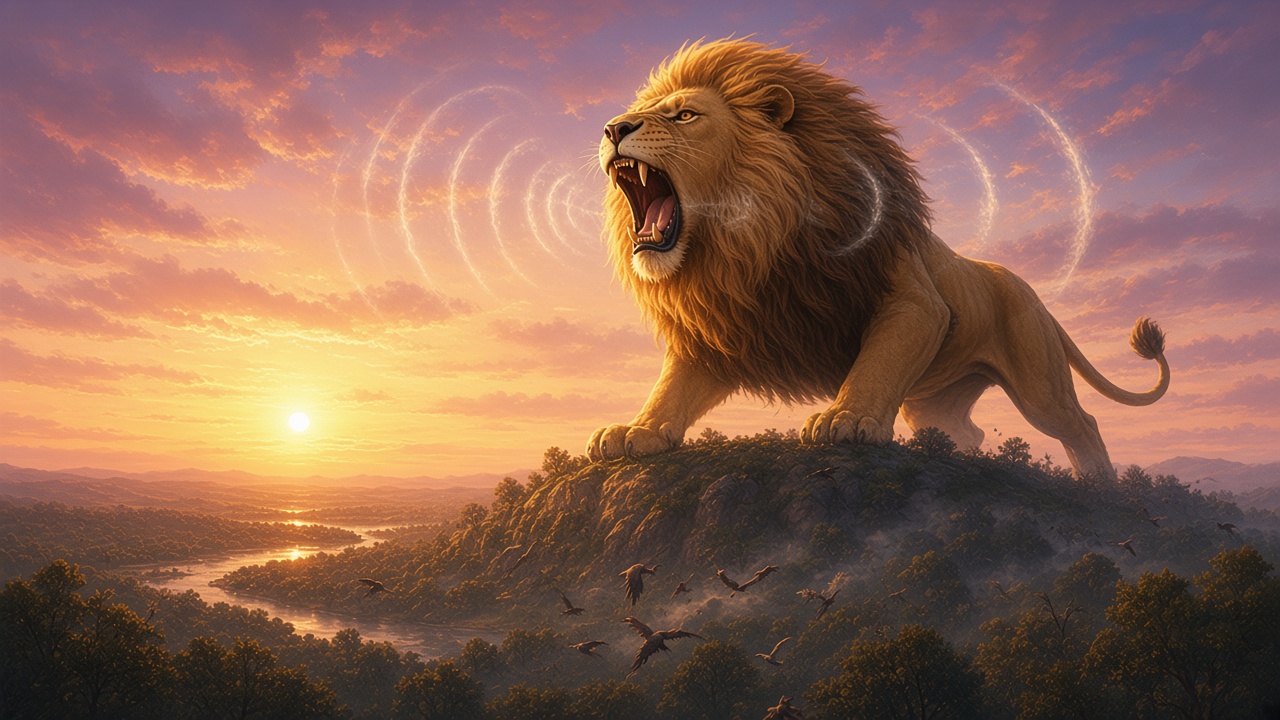
Aslan rugit sur une colline, l'onde sonore fait plier les arbres 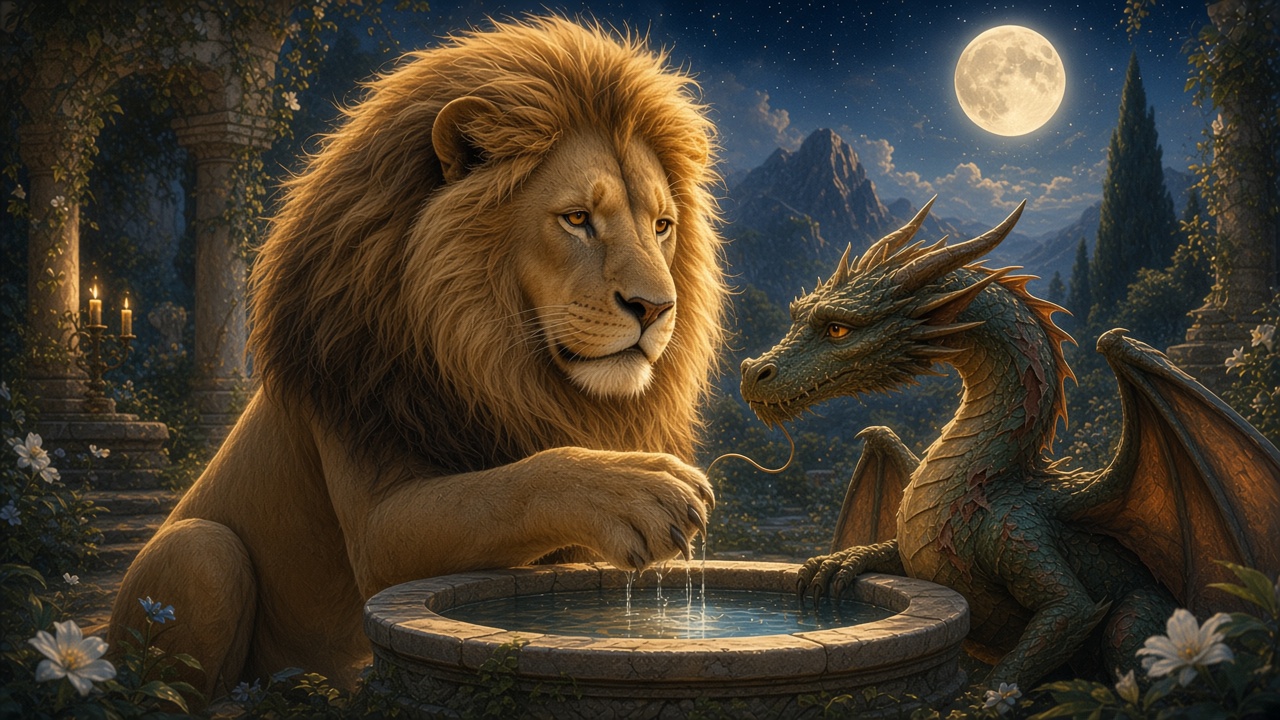
Aslan au bord d'un puits de marbre, face à un petit dragon, sous la lune 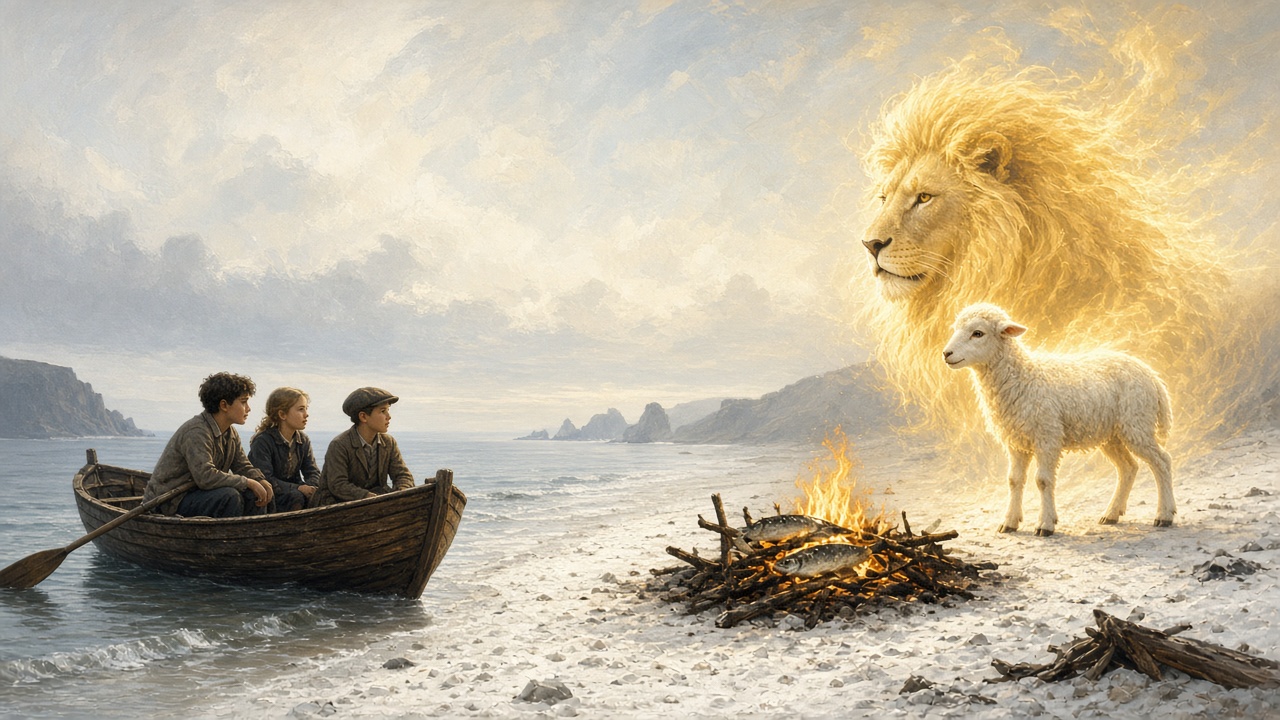
Sur une plage blanche au bout du monde, un agneau qui laisse deviner Aslan 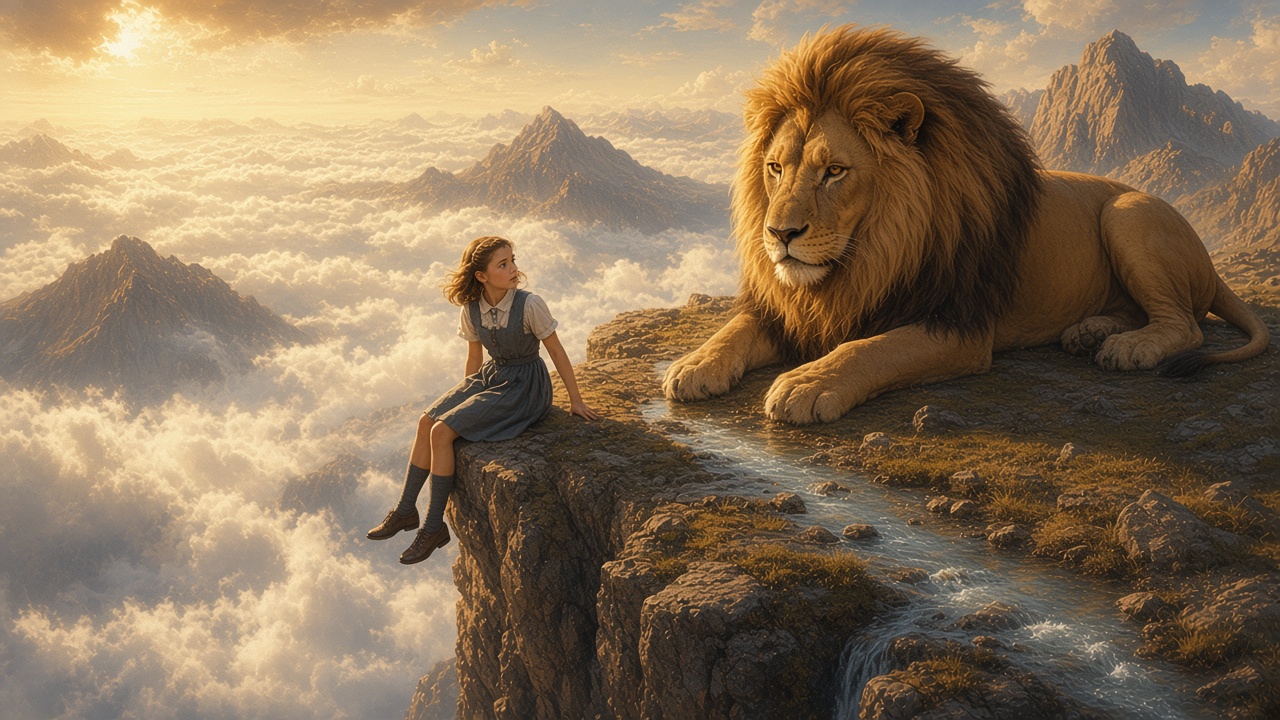
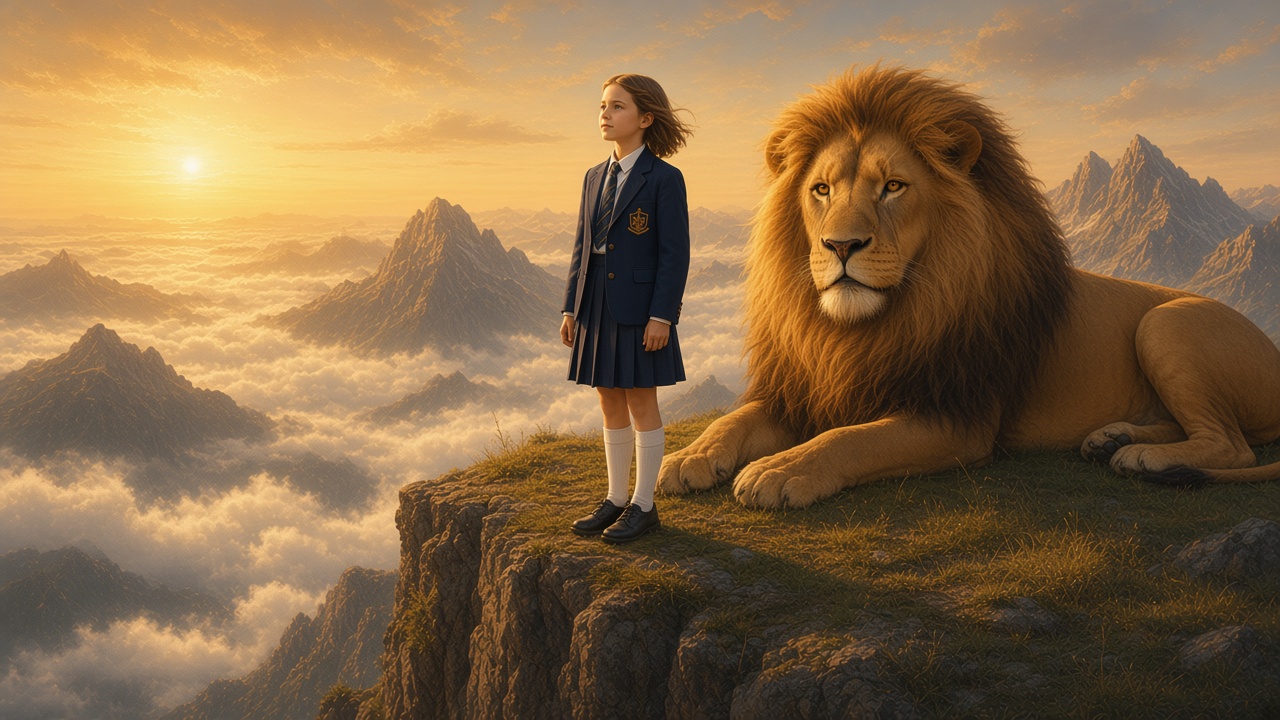
Aslan allongé au bord d'une falaise immense, au pays d'Aslan 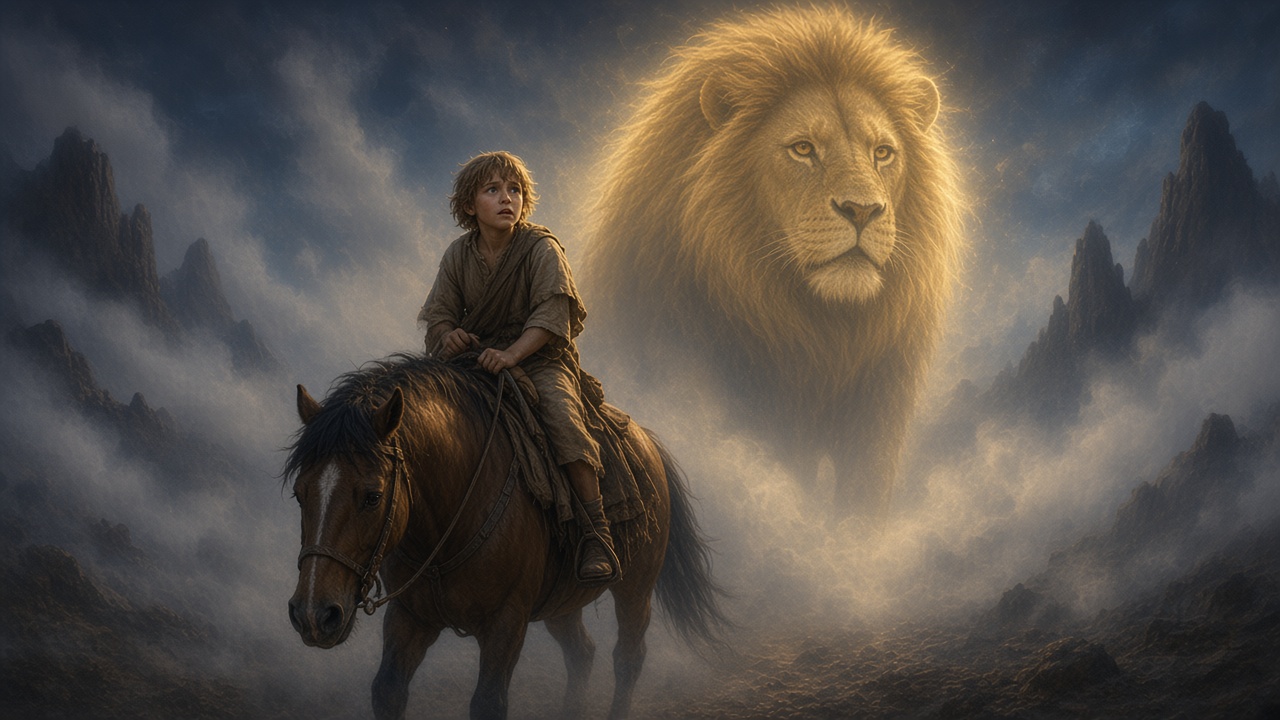
Aslan marche dans le brouillard à côté d'un garçon sur un cheval 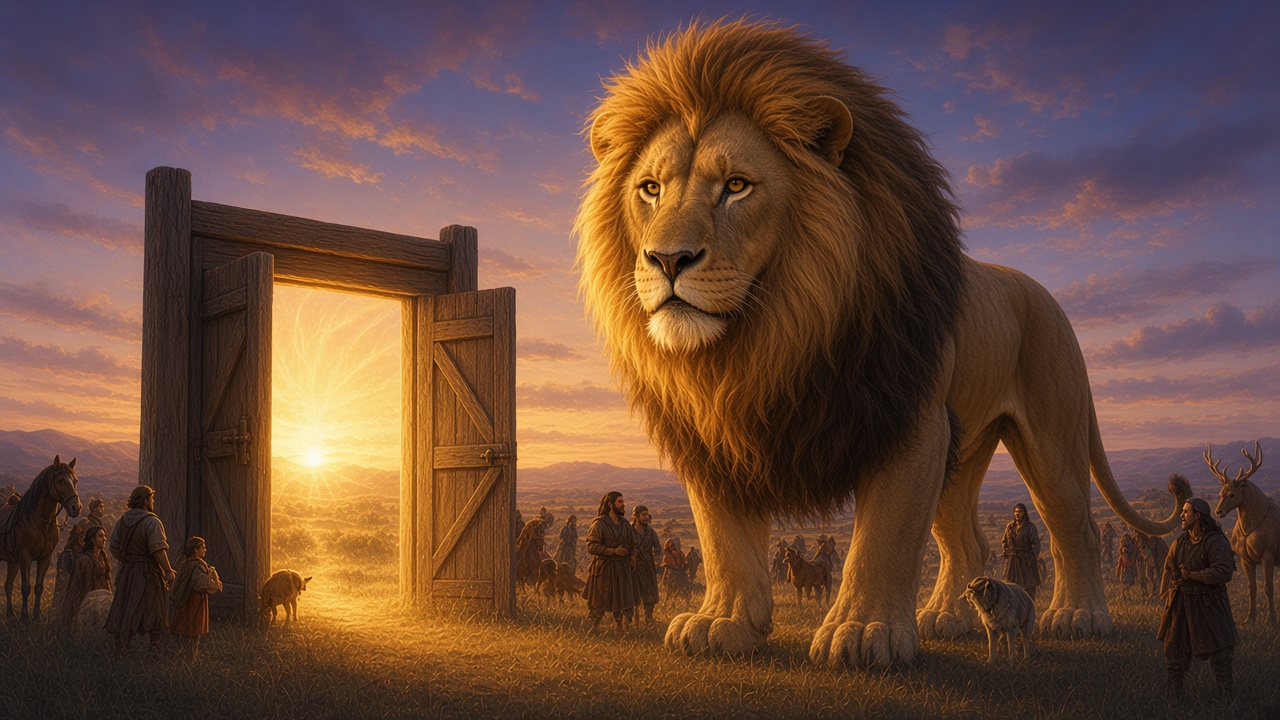
Aslan devant une porte ouverte sur un monde nouveau, plus lumineux
Dans le même groupe
Archives de l’ancien site
Aslan
Aslan is the creator of Narnia, its God. As he promised, the first son of Adam (Digory Kirke) brought about the arrival of an evil force in Narnia, which is why he will always help, but as a last resort. Both wise and patient, he is also compassionate and knows how to be stern and terrifying.
He is the son of the great Emperor-Beyond-the-Sea.
His name means "lion" in Turkish, and comes from the book "Tales from the Arabian Nights" that C.S. Lewis had read as a child.
He has nine different names.
Presentation in the book
*It was a lion. A huge, luminous lion with a long mane, facing the sun. He was roaring with his mouth wide open, about three hundred yards away from the small assembly.* (The Magician’s Nephew, p.118)
Quotes
* *Don’t be too solemn. For people as likely to be funny as to be just, are much more likely to be just.* (p.137)*
* *The truth is, the world is not so old as you think. You have only just come into it.* (p.146)*
* *Narnia, awake.* (p.146)*
* *Before very long, you will be old enough to start reading fairy tales again.* (p.203)*
Appearance in the books
The Magician’s Nephew ; The Lion, the Witch and the Wardrobe ; The Horse and His Boy ; Prince Caspian ; The Voyage of the Dawn Treader ; The Silver Chair ; The Last Battle
Aslan
He is the creator of Narnia, its God. As He promised, the first son of Adam (Digory Kirke) brought a malevolent force into Narnia, which is why He always helps them, but as a last resort. Both wise and patient, and compassionate, He knows how to be stern and terrifying. He is the son of the great Emperor-Beyond-the-Sea. His name means "lion" in Turkish, and comes from the book "Tales from the Arabian Nights" that C.S. Lewis had read as a child. He has nine different names.
Presentation in the book
*"It was a lion. A huge, bright, lion with a long mane, facing the sun. It was singing with its mouth wide open, about three hundred yards away. (The Magician’s Nephew, p.118)"*
Appearances in the books
"The Magician’s Nephew" "The Lion, the Witch and the Wardrobe" "The Horse and His Boy" "Prince Caspian" "The Voyage of the Dawn Treader" "The Silver Chair" "The Last Battle"
Aslan
He is the creator of Narnia, its God. As he promised, the first son of Adam (Digory) caused the arrival of an evil force in Narnia, which is why he will always help them, but as a last resort. Wise, patient, and compassionate, he can also be stern and terrifying. He is the son of the great Emperor-Beyond-the-Sea. His name means "lion" in Turkish, and comes from the book "Tales from the Arabian Nights" that C.S. Lewis read as a child. He has nine different names.
Presentation in the book
*“It was a lion. A lion huge, shaggy, and bright-eyed, that looked at them without blinking but did not seem to be looking at them either. It stood facing the moonlight, its mouth wide open in song, as if it were singing to someone whom they could not see.” (The Magician’s Nephew, p.118)*
Quote
* *I was the lion who forced you to go with Aravis.
I was the cat who comforted you in the House of the Old Woman.
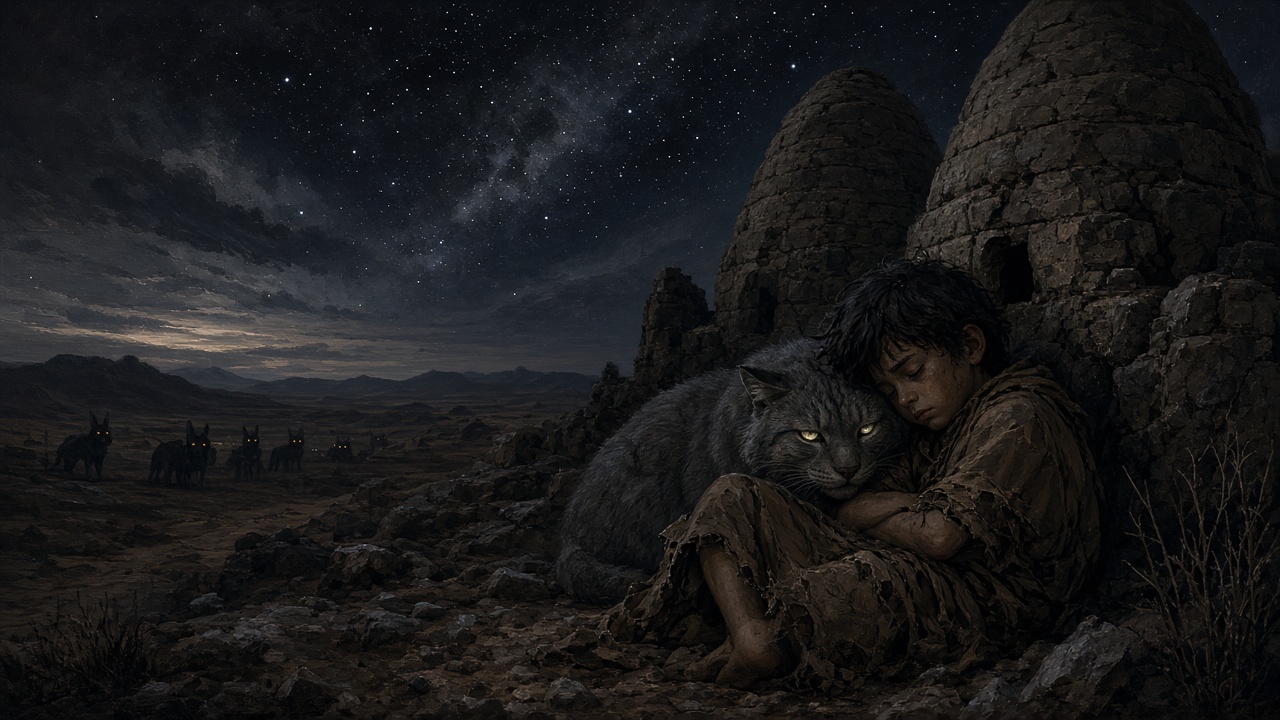
I was the lion who drove off the jackals while you were asleep.
I was the lion who gave the bewildered horses the spur of fear for the last mile so that they should reach the Dawn Treader in time.
And I was the lion you do not remember who pushed the boat in which you lay, a child half-drowned, to the shore where a man sat, wide awake at the dead of night, to receive you.*
Page 172*
* *My son, said the Lion, I tell you your story, not mine. No one is told any story but his.*
Page 210*
Appearance in the books
“The Magician’s Nephew” “The Lion, the Witch and the Wardrobe” “The Horse and His Boy” “Prince Caspian” “The Voyage of the Dawn Treader” “The Silver Chair” “The Last Battle”
Aslan
It is the creator of Narnia, its God. As he promised, the first son of Adam (Digory Kirke) brought a malevolent force into Narnia, which is why he will always help them, but as a last resort. Both wise, patient, and compassionate, he can also be stern and terrifying. He is the son of the great Emperor-Beyond-the-Sea. His name means “lion” in Turkish, and comes from the book “Tales from the Arabian Nights” that C.S. Lewis had read as a child. He has nine different names.
Presentation in the book
*“It was a lion. A lion huge, shaggy, and bright ; with eyes like gold ; and it walked towards the group of little creatures with its head held up so that its mane looked like a lion’s ruff. It was singing.”* (The Magician’s Nephew, p.118)
Quote
* *“It is hard for you, little girl,” said Aslan. “But that is because it matters greatly. It is hard because there is much in unspoken.”*
Page 153
Appearances in the books
The Magician’s Nephew ; The Lion, the Witch and the Wardrobe ; Prince Caspian ; The Voyage of the Dawn Treader ; The Silver Chair ; The Last Battle
Aslan
He is the creator of Narnia, its God. As He promised, the first son of Adam (Digory Kirke) caused the arrival of an evil force in Narnia, which is why He will always help them, but as a last resort. Wise, patient, and compassionate, He knows how to be stern and terrifying. He is the son of the great Emperor-Beyond-the-Sea. His name means "lion" in Turkish, and comes from the book "Tales from the Arabian Nights" that C.S. Lewis read as a child. He has nine different names.
Presentation in the book
*"It was a lion. A huge, bright, lion with a shaggy mane, facing the sun. It was singing with its mouth wide open, about three hundred yards away from the little assembly." (The Magician’s Nephew, p. 118)*
Quote
* *For you, the door to the land of Aslan is in your world.*
*I am there (on Earth). But I have a different name there. You must learn to know me by that name. (p. 259-260)*
Appearances in the books
"The Magician’s Nephew" "The Lion, the Witch and the Wardrobe" "The Horse and His Boy" "Prince Caspian" "The Voyage of the Dawn Treader" "The Silver Chair" "The Last Battle"
Échanges entre lecteurs
Une question, un souvenir de lecture, une idée ? Partagez-les avec les autres lecteurs, dans le respect de la charte des commentaires.
Les commentaires ne sont pas disponibles pour le moment.
Les commentaires sont fermés sur cette page.
Aucun commentaire pour le moment. Soyez la première personne à partager votre avis !
Merci ! Votre commentaire sera visible après relecture.