The Magician's Nephew
The Wood between the Worlds
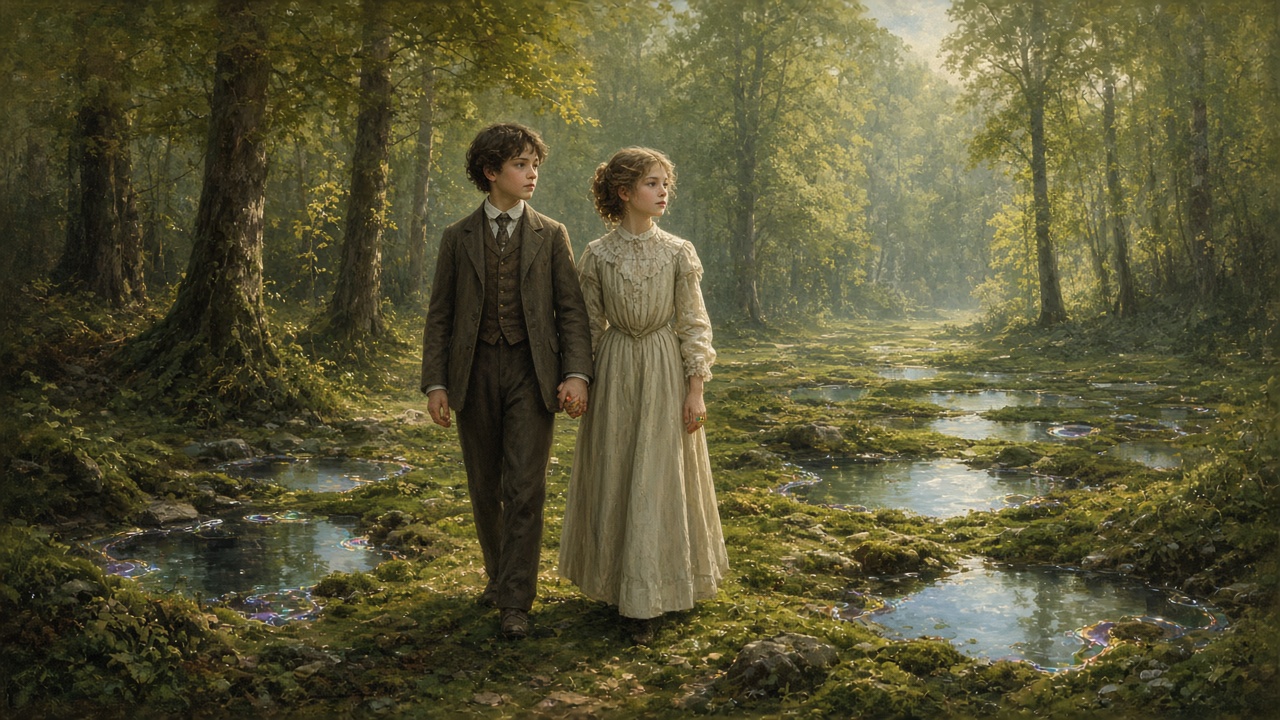
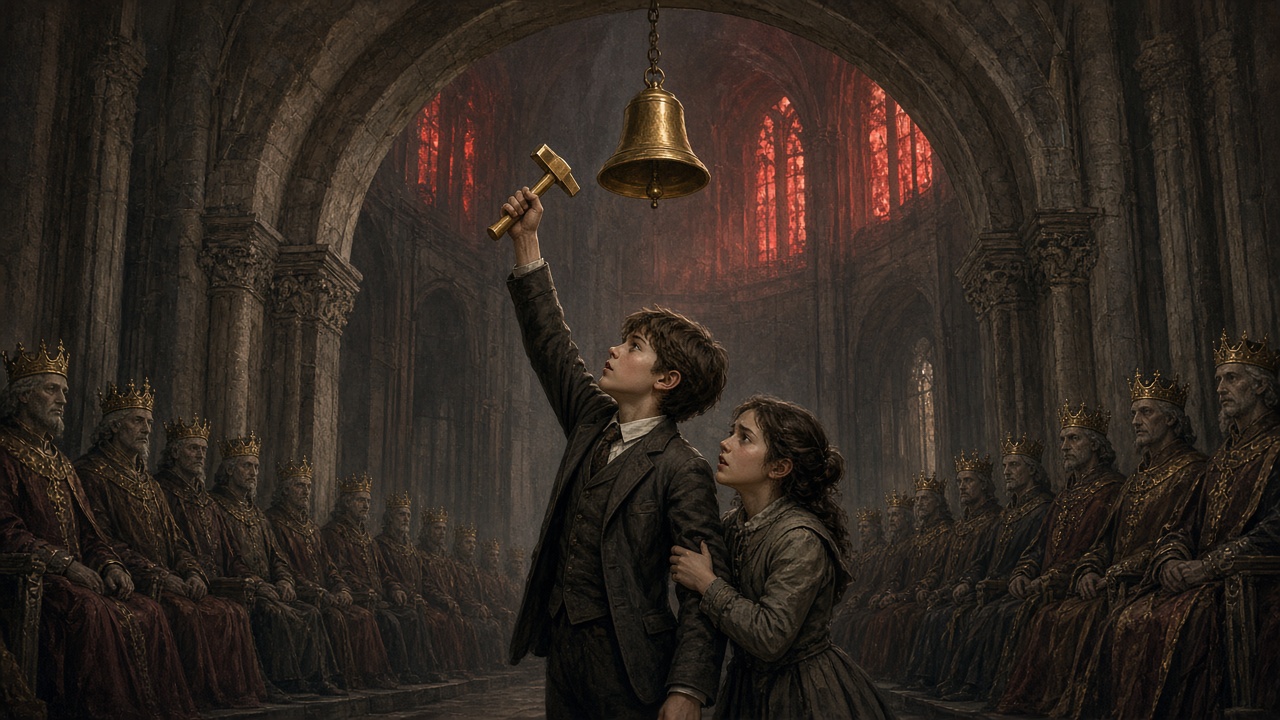
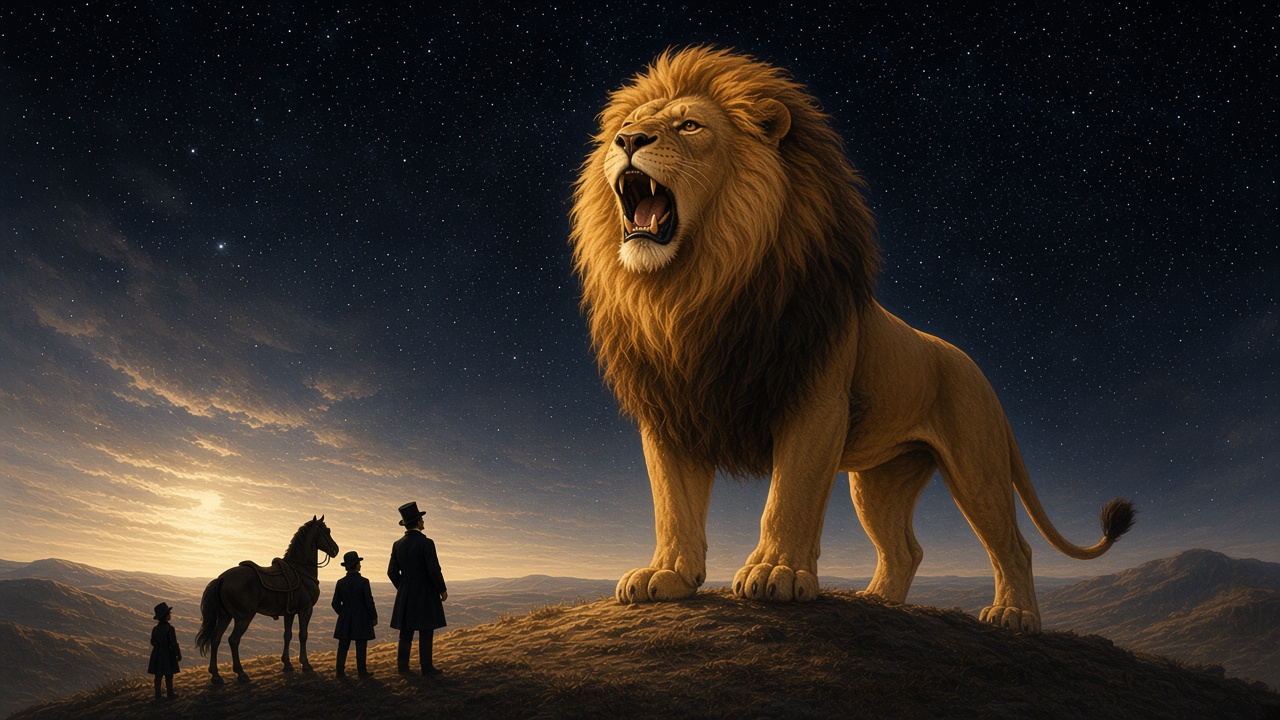
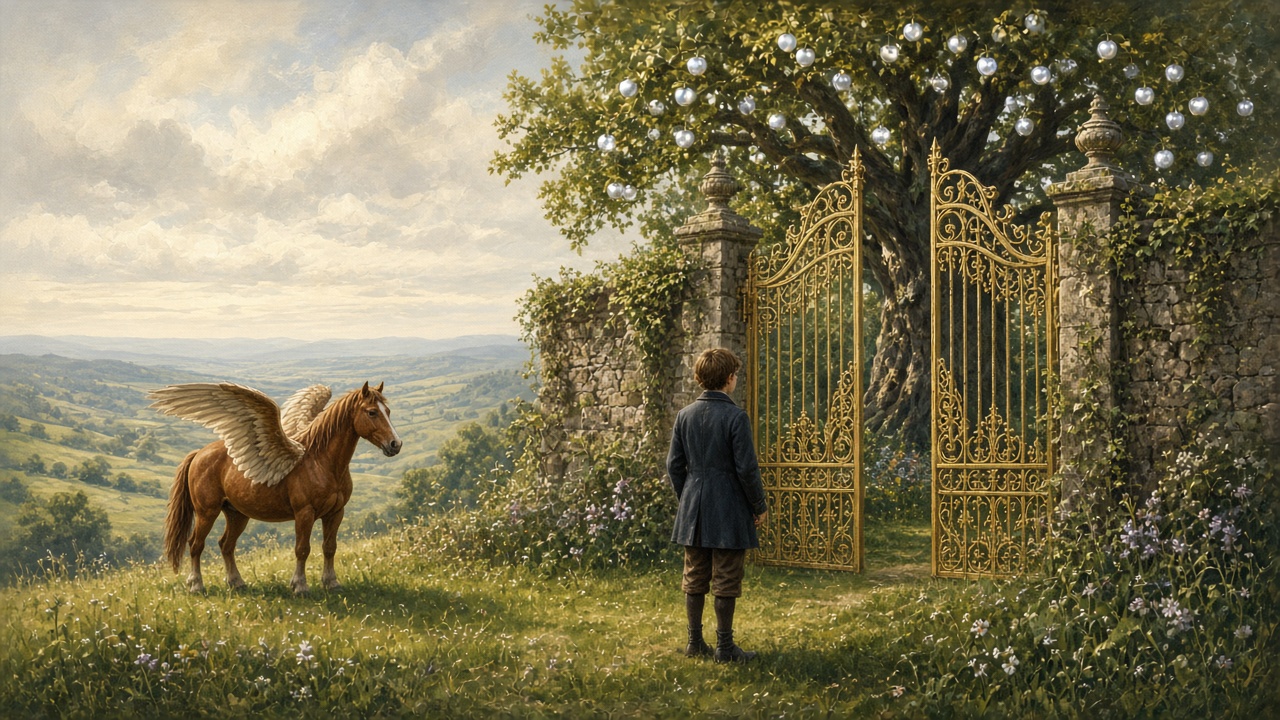
London, the summer of 1900. Digory Kirke has just arrived at his uncle and aunt's because his mother is very ill. He makes friends with his neighbour, Polly Plummer, and together they explore the attic that runs under the roofs of their row of houses. By mistake they come out into the study of Uncle Andrew, an amateur magician as cowardly as he is vain, who uses them as guinea pigs. His yellow and green rings fling them out of our world, into a quiet wood where every pool opens onto another universe. There is a dead city under a red sun, a sleeping queen whom it would be better not to wake, and a brand-new country that is beginning to be born in the dark. This is the story of the origins: in it one learns how Narnia was created and how evil entered it on the very first day. One also discovers why a lamp-post burns in the middle of a forest, and where a certain wardrobe comes from. The book speaks of friendship, curiosity and temptation. Lastly, it tells of the stubborn hope of a boy who wishes to cure his mother.
- In the story — 1
- Publication order — 6
- Original title — The Magician's Nephew
- First published — 2 May 1955
- Published in the United States — 4 October 1955 (Macmillan, New York)
- Dedication — To the Kilmer family
- Translation — Cécile Dutheil de la Rochère
Abandoned titles
- Polly and Digory
Quotation
- Quotation — Before the wardrobe, there was a lion who sang.
Themes
- creation and wonder
- temptation and choice
- curiosity, its joys and its dangers
- the vanity of magic without morals (Uncle Andrew)
- grief and hope (Digory's mother)
- the responsibility of repairing the harm one has caused
Did you know
- Lewis took several years to write this book. A first version, the 'Lefay fragment', was abandoned.
- The opening sentence places the story 'in the days when Sherlock Holmes was still living in Baker Street': a nod to the London of 1900.
- Digory's grief before his sick mother echoes Lewis's childhood: Lewis lost his mother at the age of nine.
- The book explains three mysteries of The Lion, the Witch and the Wardrobe: the lamp-post, the Witch and Professor Kirke's age.
Adaptations
- No screen adaptation before 2027.
- Narnia: The Magician's Nephew, written and directed by Greta Gerwig (Netflix). Cinema release on 12 February 2027 (IMAX previews from 10 February) in the countries where the film is released in cinemas, then on Netflix worldwide on 2 April 2027. In France, no cinema release has been announced: the film is expected on Netflix only, on 2 April 2027. With David McKenna (Digory), Beatrice Campbell (Polly), Emma Mackey (Jadis), Daniel Craig (Uncle Andrew), Carey Mulligan (Digory's mother) and Meryl Streep (voice of Aslan).
Characters
- Digory Kirke
- Polly Plummer
- Uncle Andrew (Andrew Ketterley)
- Letitia Ketterley (Aunt Letty)
- Mabel Kirke, Digory's mother
- Jadis, the White Witch
- Aslan
- Frank, the Cabby (King Frank I)
- Helen, Queen Helen (Nellie)
- Strawberry, later Fledge
- Mrs Lefay, Uncle Andrew's godmother
- Sarah, Cousin Edward, Mr Kirke
Places
- London / England
- Ketterley house
- Wood between the Worlds
- Charn
- Narnia
- The Garden (of the West)
- Lantern Waste
Objects
- Magic rings
- Bell and Hammer
- Deplorable Word
- Apple of Youth / Tree of Protection
- Lamp-post
- The Wardrobe
- Atlantean box
Peoples
The story in a few words (no spoilers)
London, the summer of 1900. Digory Kirke has just arrived at his uncle and aunt's because his mother is very ill. He makes friends with his neighbour, Polly Plummer, and together they explore the attic that runs under the roofs of their row of houses. By mistake they come out into the study of Uncle Andrew, an amateur magician as cowardly as he is vain, who uses them as guinea pigs. His yellow and green rings fling them out of our world, into a quiet wood where every pool opens onto another universe. There is a dead city under a red sun, a sleeping queen whom it would be better not to wake, and a brand-new country that is beginning to be born in the dark. This is the story of the origins: in it one learns how Narnia was created and how evil entered it on the very first day. One also discovers why a lamp-post burns in the middle of a forest, and where a certain wardrobe comes from. The book speaks of friendship, curiosity and temptation. Lastly, it tells of the stubborn hope of a boy who wishes to cure his mother.
The full story (warning: spoilers)
Digory and Polly meet in the gardens of their adjoining houses. While exploring the shared attic, they enter Uncle Andrew's forbidden study. He makes Polly touch a yellow ring and she disappears. Digory has to follow her, with two green rings so that they can get back.
The rings take them to the Wood between the Worlds, a peaceful forest full of pools. The children realise that yellow draws one towards the Wood and that green takes one out of it. Out of curiosity, they plunge into another pool and arrive at Charn, a dead city. In the hall of images, Digory strikes the bell in spite of Polly and wakes Queen Jadis. She has annihilated her world by speaking the Deplorable Word.
Jadis clings to them and follows them to London, where she spreads panic: she steals jewellery, tears a bar from a lamp-post and goes off in a cab at full gallop. Trying to take her back, the children drag Jadis, Uncle Andrew, Frank the Cabby and his horse Strawberry into the Wood and then into the nothingness.
In absolute darkness, a voice begins to sing. The stars light up, the sun rises and the earth is covered with grass and trees: Aslan creates Narnia. The lamp-post bar that has fallen to the ground grows and becomes a lamp-post. Aslan gives speech to some of the beasts. Uncle Andrew refuses to hear anything but growls and ends up planted in the ground like a tree.
Aslan crowns Frank and his wife Helen, the first king and queen of Narnia. He entrusts Digory, who is responsible for Jadis's entry, with a task: to bring back an apple from a distant garden. Strawberry becomes a winged horse and carries the children. In the garden, Jadis has already bitten into a stolen fruit; she tempts Digory by suggesting that he steal an apple for his mother. He refuses.
The planted apple produces the Tree of Protection, which will keep the Witch away for centuries. Aslan then gives Digory an apple for his mother, who is cured. The children bury the rings. The apple tree grown from the core will be cut down years later, and its wood will be used to make a wardrobe.
The great themes
- creation and wonder
- temptation and choice
- curiosity, its joys and its dangers
- the vanity of magic without morals (Uncle Andrew)
- grief and hope (Digory's mother)
- the responsibility of repairing the harm one has caused
Did you know?
- Lewis took several years to write this book. A first version, the 'Lefay fragment', was abandoned.
- The opening sentence places the story 'in the days when Sherlock Holmes was still living in Baker Street': a nod to the London of 1900.
- Digory's grief before his sick mother echoes Lewis's childhood: Lewis lost his mother at the age of nine.
- The book explains three mysteries of The Lion, the Witch and the Wardrobe: the lamp-post, the Witch and Professor Kirke's age.
On screen
- No screen adaptation before 2027.
- Narnia: The Magician's Nephew, written and directed by Greta Gerwig (Netflix). Cinema release on 12 February 2027 (IMAX previews from 10 February) in the countries where the film is released in cinemas, then on Netflix worldwide on 2 April 2027. In France, no cinema release has been announced: the film is expected on Netflix only, on 2 April 2027. With David McKenna (Digory), Beatrice Campbell (Polly), Emma Mackey (Jadis), Daniel Craig (Uncle Andrew), Carey Mulligan (Digory's mother) and Meryl Streep (voice of Aslan).
See also
- The seven Chronicles of Narnia
- In what order should you read The Chronicles of Narnia?
- From the 1955 book to the 2027 film: The Magician's Nephew according to Greta Gerwig
- The portals between the worlds
- From the first dawn to the last night: the history of Narnia
- How Lewis created Narnia
- Two ages for each hero: the one on the calendar and the one lived in Narnia
- From Puddleglum to Puddlegum: what the names of Narnia say in English, and what they become in French