Prince Caspian
The ruins of Cair Paravel
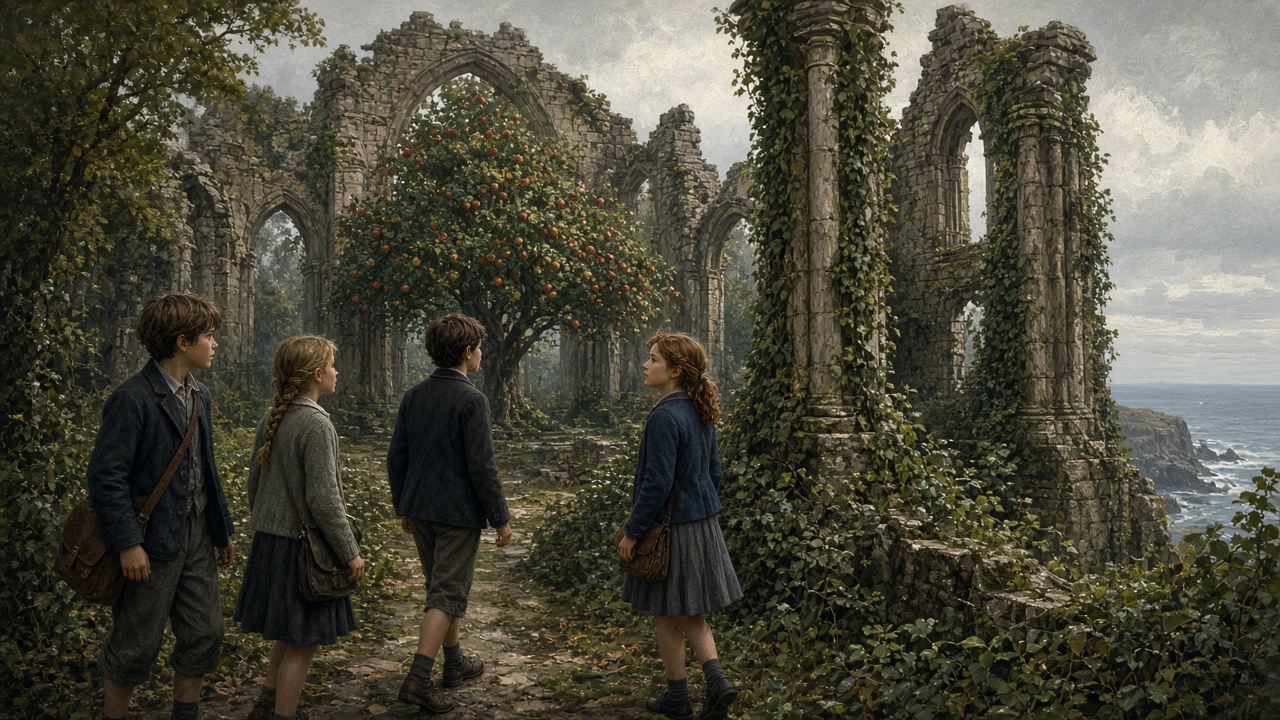
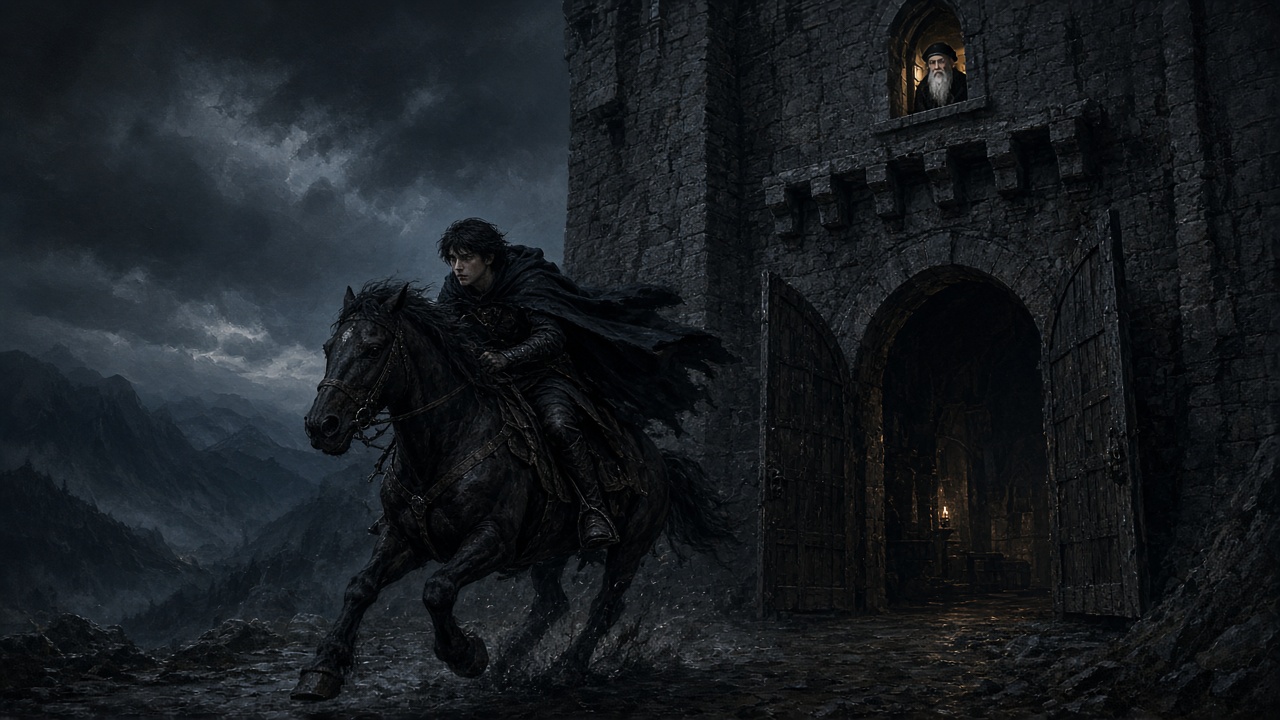
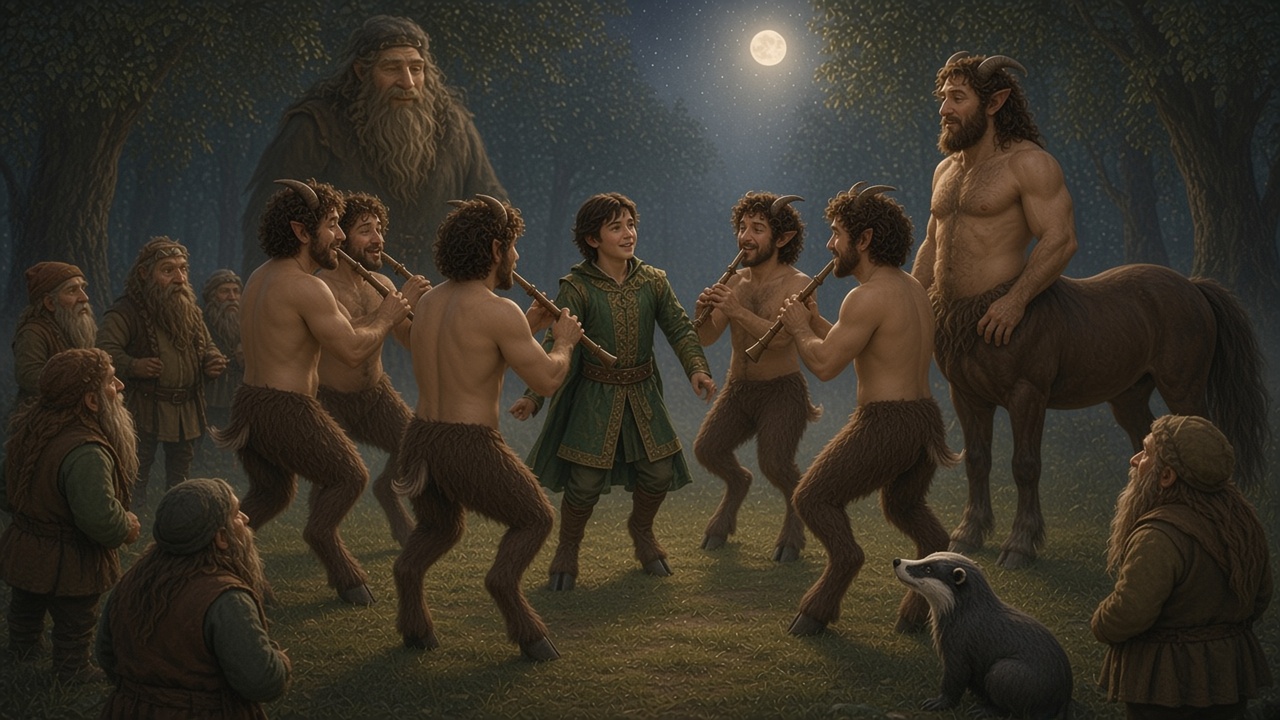
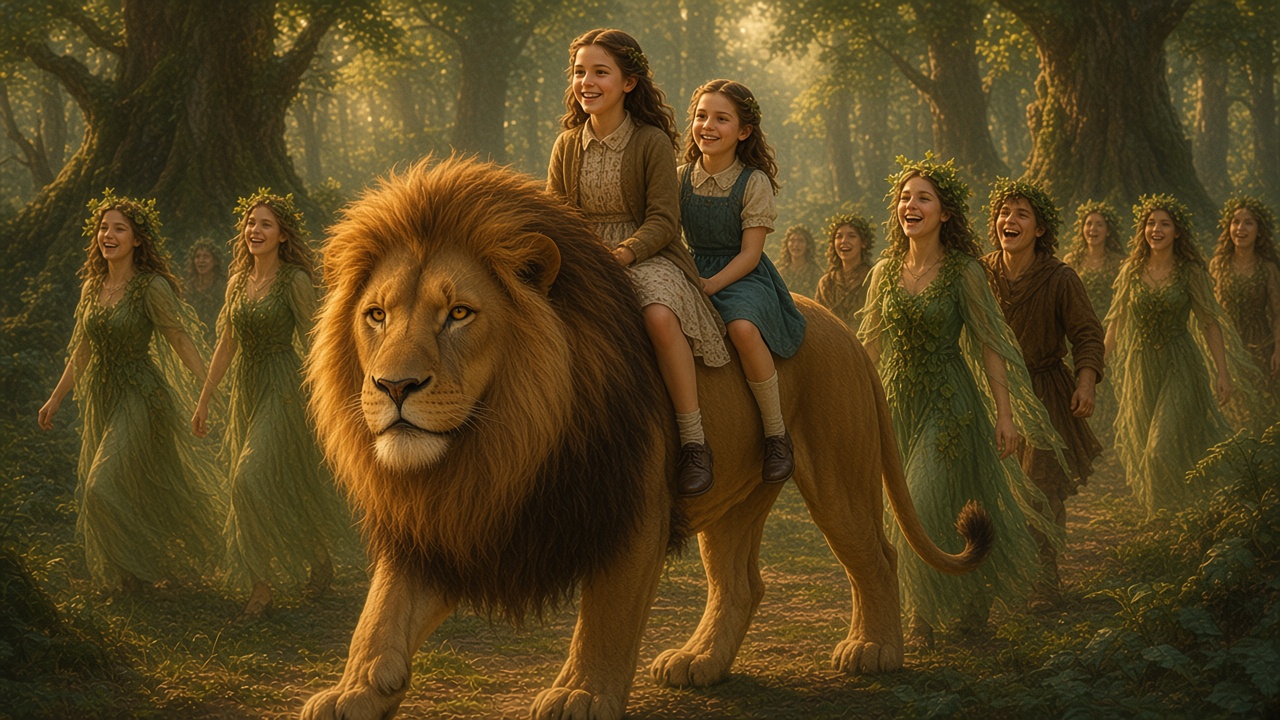
A year after their first adventure, the four Pevensies are waiting for their train on the platform of a country station when an invisible force snatches them out of our world. They find themselves on an island, amid the ruins of a castle overrun by trees. They soon realise that it is Cair Paravel, their own palace, and that more than a thousand years have passed in Narnia. The country is now in the hands of the Telmarines, men from the west who have silenced the trees and driven out the Talking Beasts. Young Prince Caspian, the rightful heir threatened by his uncle Miraz, has sounded Queen Susan's magic horn to call for help. It is a book of return and of reconquest. It speaks of faith: should one follow Aslan when one is the only person who can see him? It also tells of the awakening of a world that had forgotten its own magic.
- In the story — 4
- Publication order — 2
- Original title — Prince Caspian: The Return to Narnia
- First published — 15 October 1951
- Published in the United States — 16 October 1951 (Macmillan, New York)
- Dedication — To Mary Clare Havard
- Translation — Anne-Marie Dalmais
Abandoned titles
- Drawn into Narnia
- A Horn in Narnia
Quotation
- Quotation — Things never happen the same way twice.
Themes
- faith and trust (Lucy, who sees Aslan)
- the memory of a forgotten world
- legitimacy and usurpation
- awakened nature and wild joy
- growing up: Peter and Susan will not return
Did you know?
- The novel was published in 1951 under the title Prince Caspian: The Return to Narnia.
- Its dedicatee, Mary Clare Havard, is the daughter of Lewis's doctor, Robert Havard, who was one of the Inklings.
- Susan's Horn snatches the children out of our world at the very moment it is sounded in Narnia: it is one of the rare occasions when the two timescales seem synchronised.
- Lewis said that the book dealt with the “restoration of the true religion after a corruption”.
Adaptations
- BBC series (1989, with The Voyage of the Dawn Treader).
- The Chronicles of Narnia: Prince Caspian, by Andrew Adamson (Disney/Walden Media, 2008).
Characters
- Peter Pevensie
- Susan Pevensie
- Edmund Pevensie
- Lucy Pevensie
- Caspian X
- Trumpkin
- Trufflehunter
- Reepicheep
- Doctor Cornelius
- King Miraz
- Queen Prunaprismia
- Caspian's Nurse
- Nikabrik, the Black Dwarf
- Lord Glozelle and Lord Sopespian
- Clodsley Shovel, Lilygloves
- The Bulgy Bears
- Glenstorm, the centaur
- Peepiceek, Reepicheep's lieutenant
- Pattertwig, the squirrel
- Griffle, Diggle and the Dwarfs
- Bacchus (Bromios, Bassareus, the Ram)
- Silenus
- Pomona, the greatest of the dryads
- The River-god (of Beruna)
- Aslan
- Caspian I (Caspian the Conqueror)
- Caspian IX, Caspian's father
- Old Narnians at the Dancing Lawn (Camillo, Hogglestock, the Hardbitten badgers, the Seven Brothers of Shuddering Wood, the black dwarfs, Cornelius' raven?)
- Lords Belisar, Uvilas, Arlian, Erimon, House of Passarid
- Miss Prizzle, the schoolmistress
- Gwendolen, the schoolgirl from Beruna
- The Hag and the Wer-Wolf
- The Fauns of the Dancing Lawn (Mentius, Obentinus, Dumnus, Voluns, Voltinus, Girbius, Nimienus, Nausus, Oscuns)
Places
- Railway station
- Cair Paravel
- Miraz's Castle
- Dancing Lawn
- Aslan's How
- Fords of Beruna
- Great River
- Telmar
- Pirate island / Aslan's door
Objects
Peoples
- Dumb beasts
- Talking Beasts
- Badgers
- Centaurs
- River gods
- Dryads, Hamadryads
- Squirrels
- Stars
- Fauns
- Giants
- Large beasts
- Gryphons
- Humans
- Unicorns
- Wolves
- Maenads
- Minotaurs
- Naiads
- Dwarfs
- Talking Birds
- Bears
- Satyrs
- Witches, hags
- Talking Mice
- Moles
- Telmarines
The story in a few words (no spoilers)
A year after their first adventure, the four Pevensies are waiting for their train on the platform of a country station when an invisible force snatches them out of our world. They find themselves on an island, amid the ruins of a castle overrun by trees. They soon realise that it is Cair Paravel, their own palace, and that more than a thousand years have passed in Narnia. The country is now in the hands of the Telmarines, men from the west who have silenced the trees and driven out the Talking Beasts. Young Prince Caspian, the rightful heir threatened by his uncle Miraz, has sounded Queen Susan's magic horn to call for help. It is a book of return and of reconquest. It speaks of faith: should one follow Aslan when one is the only person who can see him? It also tells of the awakening of a world that had forgotten its own magic.
The full story (beware, spoilers)
The Pevensies discover the ruins of Cair Paravel and the treasure chamber, where Susan finds her bow again but not her horn. They rescue a dwarf, Trumpkin, whom soldiers were about to drown. He tells them the story of Caspian.
Brought up by his uncle Miraz, Caspian has learnt in secret the tales of Old Narnia from his tutor, Doctor Cornelius. When a son is born to Miraz, Cornelius makes the prince flee. Taken in by the badger Trufflehunter and by dwarfs, Caspian rallies the Old Narnians at the Dancing Lawn. He sets up his camp at Aslan's How, where Miraz's army besieges him. Cornered, he sounds the horn.
Guided by Trumpkin, the children try to reach Caspian. Lucy sees Aslan and shows them a way; the others do not believe her, and they lose their way. The following night, Aslan calls her and asks her to convince them to follow her, even if they cannot see him. Little by little, each of them comes at last to catch sight of him.
Peter, Edmund and Trumpkin arrive just in time to stop Nikabrik and two creatures of the White Witch from bringing her back to life. Peter challenges Miraz to single combat. The duel turns to treachery: Miraz is killed by his own lords, and the battle begins.
Aslan wakens the trees, Bacchus and Silenus make merry in the countryside, and the Great River is freed from its bridge. The Telmarines flee. Reepicheep, who has lost his tail, gets it back thanks to the dignity of his mice. Aslan opens a door to an island in the South Seas of our world, from which the ancestors of the Telmarines had come. Peter and Susan learn that they will not return to Narnia.
The great themes
- faith and trust (Lucy, who sees Aslan)
- the memory of a forgotten world
- legitimacy and usurpation
- awakened nature and wild joy
- growing up: Peter and Susan will not return
Did you know?
- The novel was published in 1951 under the title Prince Caspian: The Return to Narnia.
- Its dedicatee, Mary Clare Havard, is the daughter of Lewis's doctor, Robert Havard, who was one of the Inklings.
- Susan's Horn snatches the children out of our world at the very moment it is sounded in Narnia: it is one of the rare occasions when the two timescales seem synchronised.
- Lewis said that the book dealt with the “restoration of the true religion after a corruption”.
On screen
- BBC series (1989, with The Voyage of the Dawn Treader).
- The Chronicles of Narnia: Prince Caspian, by Andrew Adamson (Disney/Walden Media, 2008).
See also
- The seven Chronicles of Narnia
- In what order to read the Chronicles of Narnia?
- Neither a pacifist nor a warmonger: Lewis, a former soldier, and the nine battles of Narnia
- One volcano too many: the Narnia films judged by Lewis's criteria
- The right to reign: crowned by Aslan, usurpers and kings in spite of themselves
- From the first dawn to the last night: the history of Narnia
- Two ages for every hero: the one on the calendar and the one lived in Narnia
- From Puddleglum to Puddlegum: what the names of Narnia say in English, and what they become in French