The Silver Chair
The cliff in Aslan's country
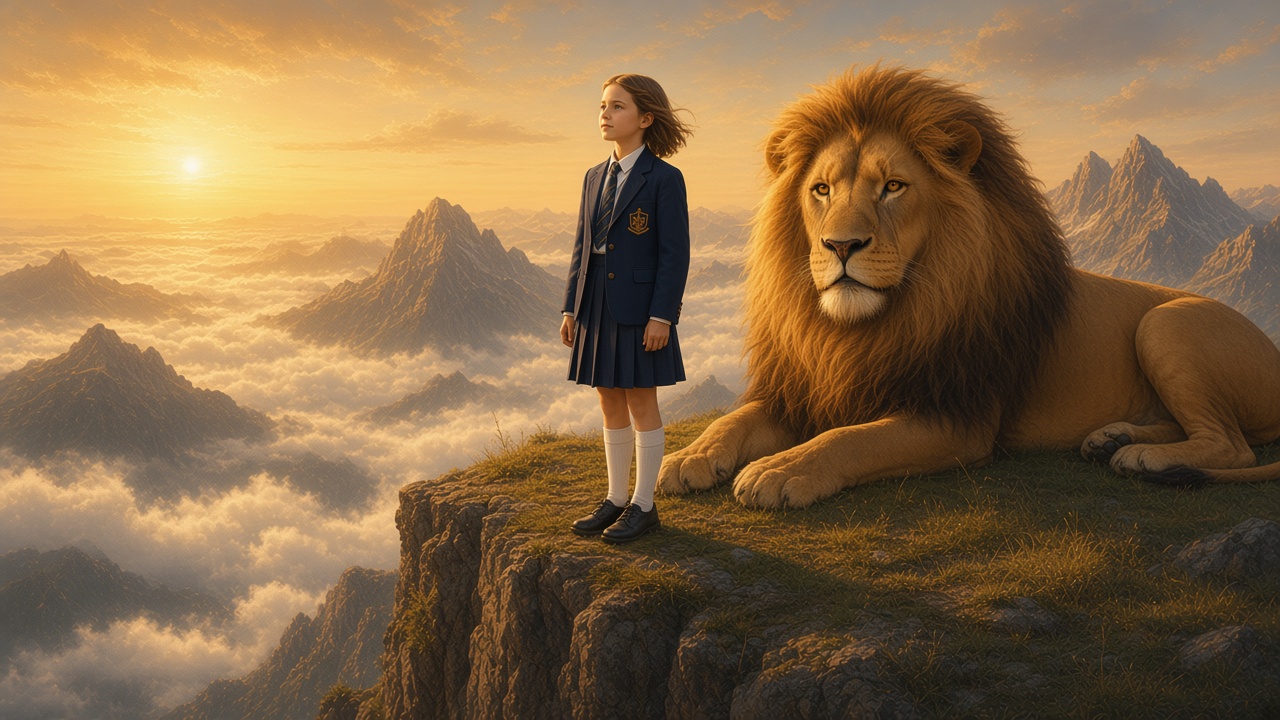
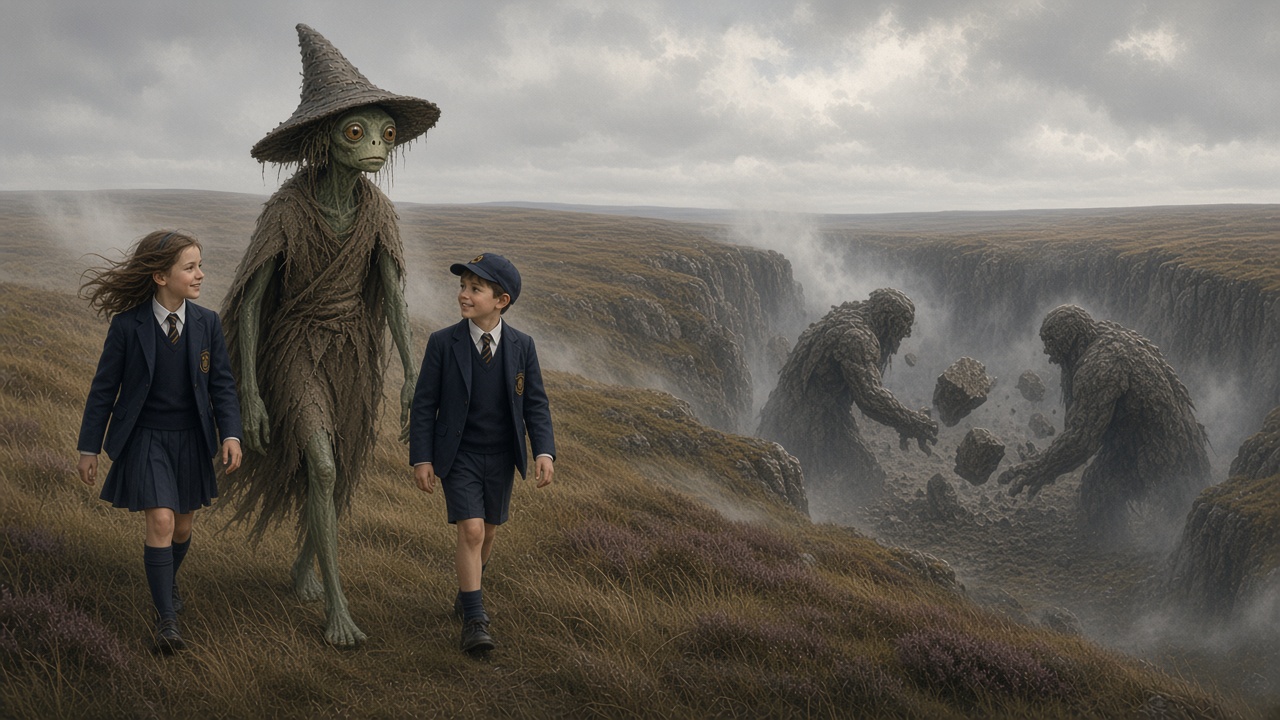
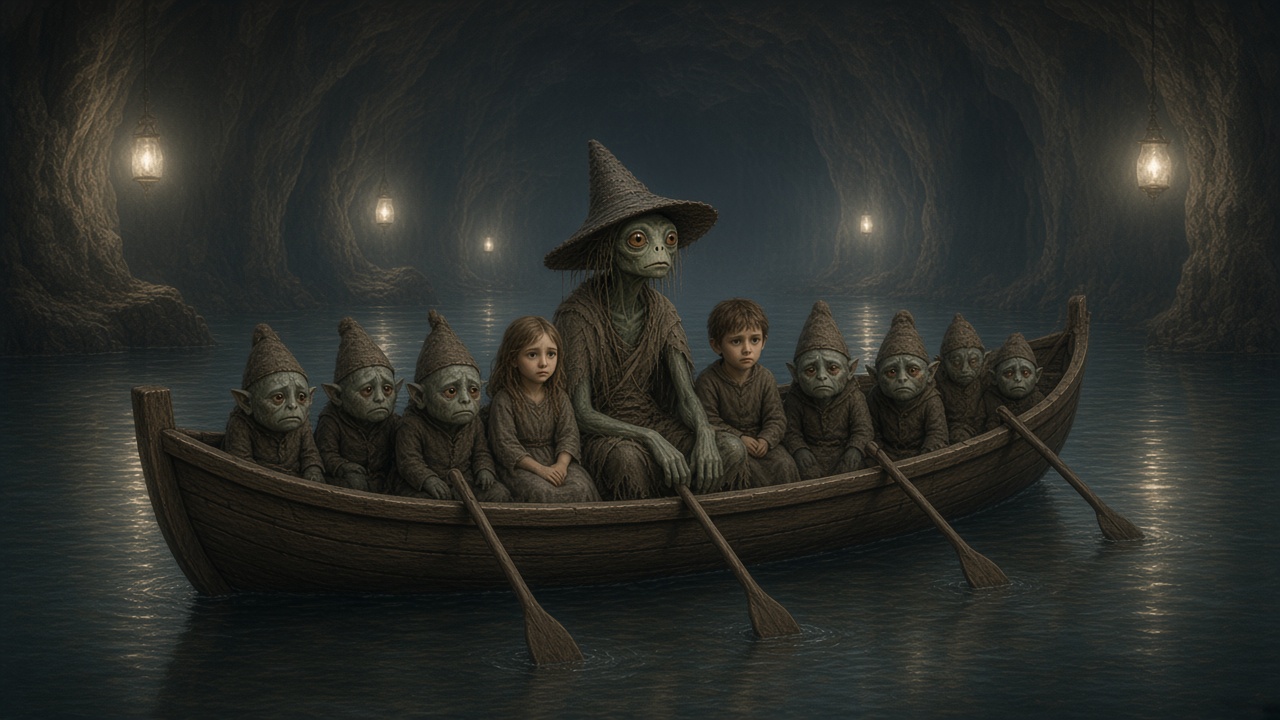
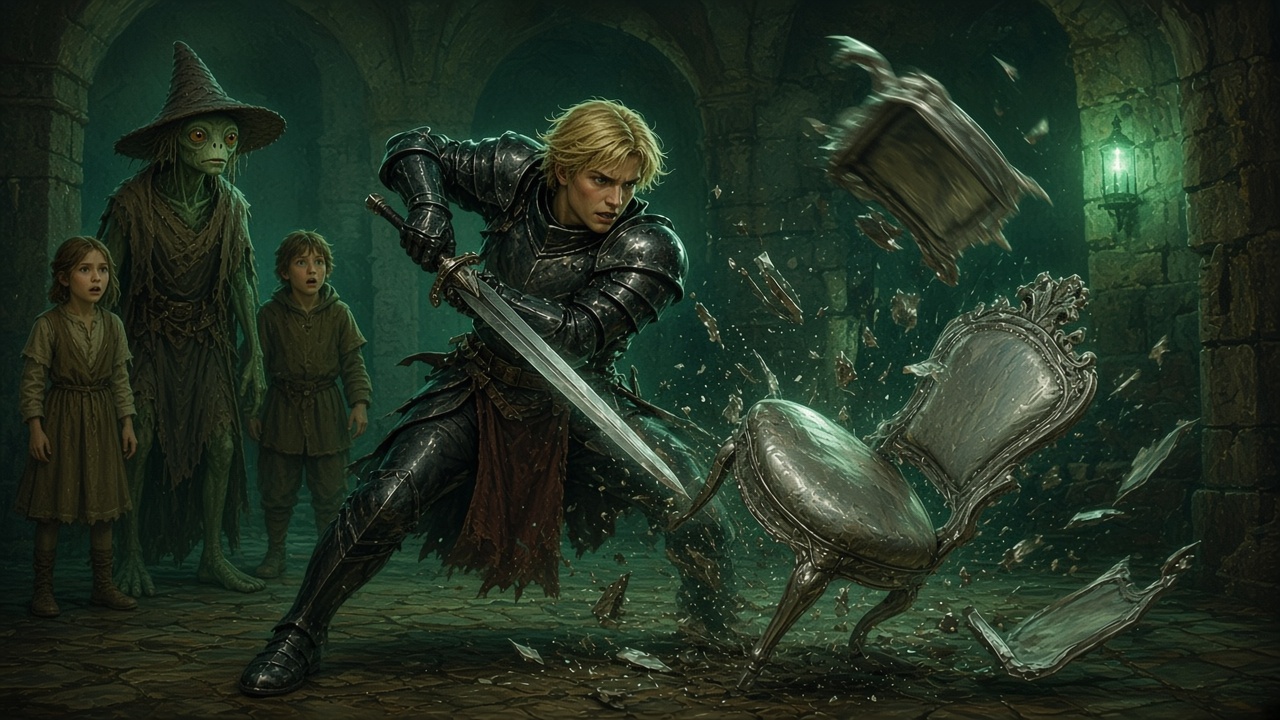
At Experiment House, a school where the bullies are left to lay down the law, Jill Pole is crying behind the gymnasium. Eustace Scrubb, transformed by his voyage, tells her about Narnia. To escape their persecutors, they go through a door in the boundary wall and come out at the top of a dizzying cliff, in Aslan's country. The Lion entrusts them with a mission: to find Prince Rilian, son of the old King Caspian, missing for ten years. If she is not to lose the way, Jill must remember four signs. With Puddleglum, a Marsh-wiggle of unforgettable pessimism, the children set off for the wild lands of the North: moors of giants, a castle with hosts who are too welcoming, an underground kingdom. It is a novel of underground adventure and of faithfulness to a word once given. It is also one of the funniest in the series, thanks to Puddleglum.
- In the story — 6
- Publication order — 4
- Original title — The Silver Chair
- First published — 7 September 1953
- Published in the United States — 5 October 1953 (Macmillan, New York)
- Dedication — To Nicholas Hardie
- Translation — Philippe Morgaut
Abandoned titles
- The Wild Waste Lands
- Night under Narnia
- Gnomes under Narnia
- News under Narnia
Quotation
- Quotation — Remember the signs.
Themes
- faithfulness to a given word (the signs)
- illusion and truth (the Lady's argument)
- ordinary courage (Puddleglum)
- confinement and deliverance
- the modern school called into question
Did you know
- The Lady's argument (that the sun is supposedly nothing but a great lamp imagined from the lamps) takes up Plato's myth of the cave, and turns it inside out.
- Puddleglum is thought to have been inspired by Lewis's gardener at the Kilns, Fred Paxford, a perpetual pessimist with a great heart.
- The dedicatee is the son of Colin Hardie, one of the Inklings.
- It is the first book with none of the Pevensie children.
Adaptations
- BBC series (1990).
- An adaptation by Joe Johnston had been announced in 2017, before Netflix arrived; it never came to anything.
Characters
- Jill Pole
- Eustace Clarence Scrubb
- Aslan
- Caspian X
- Prince Rilian
- Puddleglum
- The Lady of the Green Kirtle (Queen of Underland)
- Glimfeather, the white owl
- Trumpkin
- The King and Queen of Harfang
- Golg, the gnome
- Experiment House pupils (the Gang) and other schoolmates
- Ramandu's Daughter, Queen of Narnia
- Lord Drinian, captain of the Dawn Treader
Places
- Experiment House
- Aslan's Country
- Cair Paravel
- Marshes
- Ettinsmoor
- Ruined City of the Giants
- Harfang
- Underland
- Sunless Sea
- Bism, the Really Deep Land
Objects
- Four Signs
- The Silver Chair (the enchanted object)
- Mandolin and green powder
- Giants' cookbook
- Rilian's sword and shield
Peoples
- Talking Beasts
- Centaurs
- Dragons
- Ettins
- Giants
- Owls
- Earthmen
- Humans
- Dwarfs
- Talking Birds
- Witches, hags
- Marsh-wiggles
The story in a few words (no spoilers)
At Experiment House, a school where the bullies are left to lay down the law, Jill Pole is crying behind the gymnasium. Eustace Scrubb, transformed by his voyage, tells her about Narnia. To escape their persecutors, they go through a door in the boundary wall and come out at the top of a dizzying cliff, in Aslan's country. The Lion entrusts them with a mission: to find Prince Rilian, son of the old King Caspian, missing for ten years. If she is not to lose the way, Jill must remember four signs. With Puddleglum, a Marsh-wiggle of unforgettable pessimism, the children set off for the wild lands of the North: moors of giants, a castle with hosts who are too welcoming, an underground kingdom. It is a novel of underground adventure and of faithfulness to a word once given. It is also one of the funniest in the series, thanks to Puddleglum.
The full story (warning: spoilers)
Jill, playing the daredevil at the edge of the cliff, causes Eustace to fall, and Aslan carries him off to Narnia with a breath. She alone is given the four signs, and she reaches Narnia in her turn. Eustace does not recognise the old king who is going aboard: it is Caspian, and the first sign has already been missed.
The owls of Narnia tell of the queen's death, bitten by a green serpent, and of Rilian's disappearance, bewitched by a beautiful lady in green. They entrust the children to Puddleglum. The three cross Ettinsmoor. A lady in a green dress, escorted by a silent knight, sends them to get warm with the giants of Harfang.
Spoilt and lazy, the travellers miss the signs in the ruined city, until they discover to their horror, in a cookbook at Harfang, that they are on the menu. They escape through a crack and fall into Underland, where Earthmen lead them, along a sunless sea, to the Lady's castle.
There they meet a young knight, charming but strange, who must be bound every night to a silver chair. When he begs them in Aslan's name to untie him, that is the fourth sign. They obey, and Rilian, set free, breaks the chair. The Lady comes back and tries to bewitch them with green powder and a mandolin, persuading them that the world above does not exist. Puddleglum stamps out the fire with his bare foot and makes his famous profession of faith. The Lady turns into a serpent, and Rilian kills her.
The underground kingdom collapses. The Earthmen, set free, go home to Bism. The travellers climb back up to Narnia in the midst of the Great Snow Dance. Rilian finds his father just before his death. In Aslan's country, Caspian, made young again, goes with the children to the school, where they put the bullies to flight.
The great themes
- faithfulness to a given word (the signs)
- illusion and truth (the Lady's argument)
- ordinary courage (Puddleglum)
- confinement and deliverance
- the modern school called into question
Did you know?
- The Lady's argument (that the sun is supposedly nothing but a great lamp imagined from the lamps) takes up Plato's myth of the cave, and turns it inside out.
- Puddleglum is thought to have been inspired by Lewis's gardener at the Kilns, Fred Paxford, a perpetual pessimist with a great heart.
- The dedicatee is the son of Colin Hardie, one of the Inklings.
- It is the first book with none of the Pevensie children.
On screen
- BBC series (1990).
- An adaptation by Joe Johnston had been announced in 2017, before Netflix arrived; it never came to anything.
See also
- The seven Chronicles of Narnia
- In which order should you read the Chronicles of Narnia?
- Map of Jill and Eustace's quest
- The right to reign: crowned by Aslan, usurpers, and kings in spite of themselves
- Two ages for every hero: the one on the calendar, and the one lived in Narnia
- From Puddleglum to Puddlegum: what the names of Narnia say in English, and what they become in French