Grande figure de Narnia
Edmund Pevensie
The brother who betrayed for Turkish Delight is saved by Aslan’s sacrifice and becomes the most just of kings.
Repères
- Espèce
- Human
- Nom original
- Edmund Pevensie
- Autre traduction
- Edmund
- Autres noms
- Edmund the Just
- Titres
- Roi of Narnia · Edmund the Just · Duke of the Lantern Wolds, Earl of the Western March (titles to be confirmed)
- Origine
- Earth (England)
- Nationalité
- English; King of Narnia
- Allégeance
- The White Witch (briefly), then Narnia and Aslan
- Famille
- Peter and Susan (elders) · Lucy (younger sister) · Eustace Scrubb (cousin)
- Première apparition
- The Lion, the Witch and the Wardrobe, ch. 1
- Âge
- The Lion, the Witch and the Wardrobe: 10 years (approx. 25 at the end of her reign) · The Horse and His Boy: approx. 24 · Prince Caspian: 11 · The Voyage of the Dawn Treader: 12 · The Last Battle: 19

En bref
Edmund is the third Pevensie child. At first, he is the most difficult of the bunch : mocking, jealous of his older brother, and cruel to his younger sister Lucy. He enters Narnia shortly after her and meets a queen who offers him Turkish Delight and power. What follows makes him the most transformed character in the Chronicles. He later becomes King Edmund the Just.
« Do not mention the past to her. »
There is no need to talk to him about what is past.
— Aslan, the Lion, the White Witch, and the Wardrobe, ch. 13
Relationships
- Jadis (White Witch) : she who seduces him with magical Turkish Delight and a promise of royalty.
- Aslan : who dies in his place, by virtue of the Deep Magic.
- Peter : his older brother, whom he envied, and who knights him after the battle.
- Eustace : his cousin, whom he understands better than anyone else after experiencing his own transformation.
Name and translations
In English, his title is “Edmund the Just.” The most famous namesake is Saint Edmund, the martyr king of East Anglia.
Key quotes
- In The Voyage of the Dawn Treader, he reassures Eustace about his shame at having been a dragon : “I have been worse,” he says, “for I have been a traitor.”
- In The Horse and His Boy, he pleads for mercy for Prince Rabadash, recalling that “a traitor may yet be changed.”
Symbolism
Edmund is sometimes compared to Judas, since he betrays his siblings for a sweet treat. But the more accurate image is that of the forgiven sinner : Edmund is the one for whom the sacrifice is made. His transformation is one of the most successful in children’s literature.
Dans les livres


Lieux liés
- Sur la carte
- Sur la carte

- Sur la carte



- Sur la carte



Objets liés


Galerie
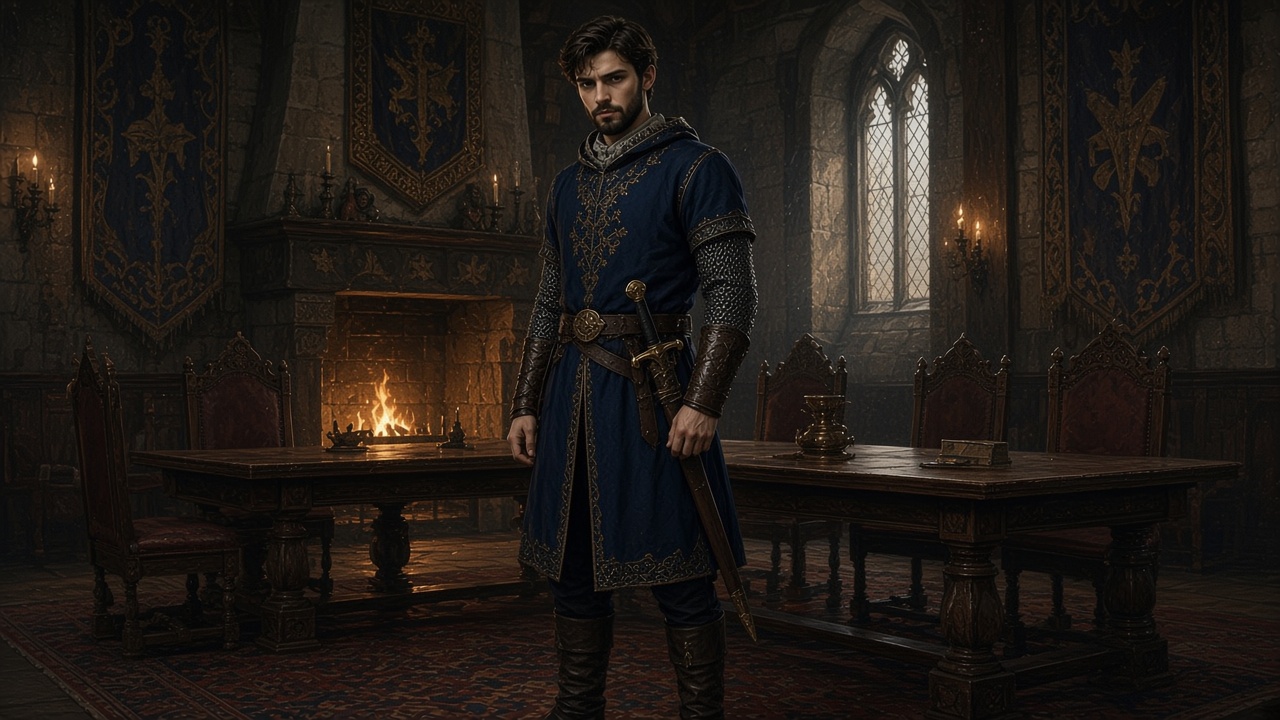
Edmund adulte, roi, debout, calme et grave 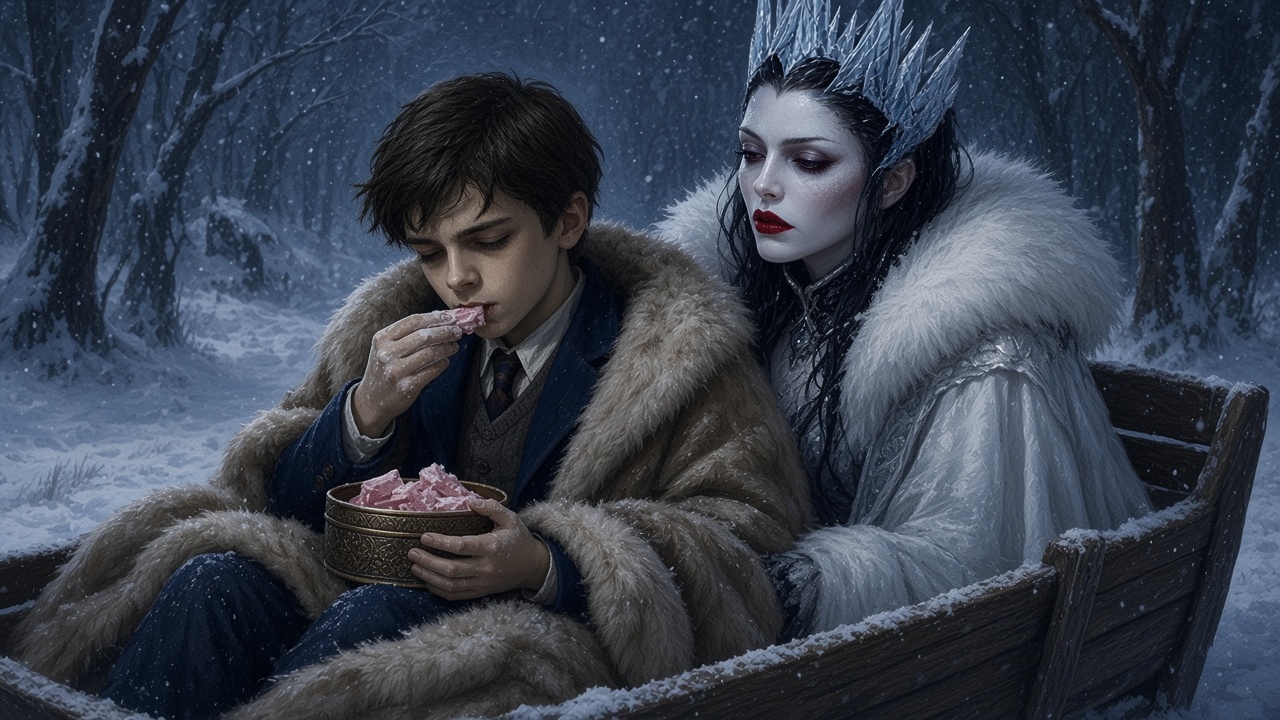
Edmund dévore des loukoums dans le traîneau de la Sorcière 
Edmund marche seul dans la neige vers un château de glace 
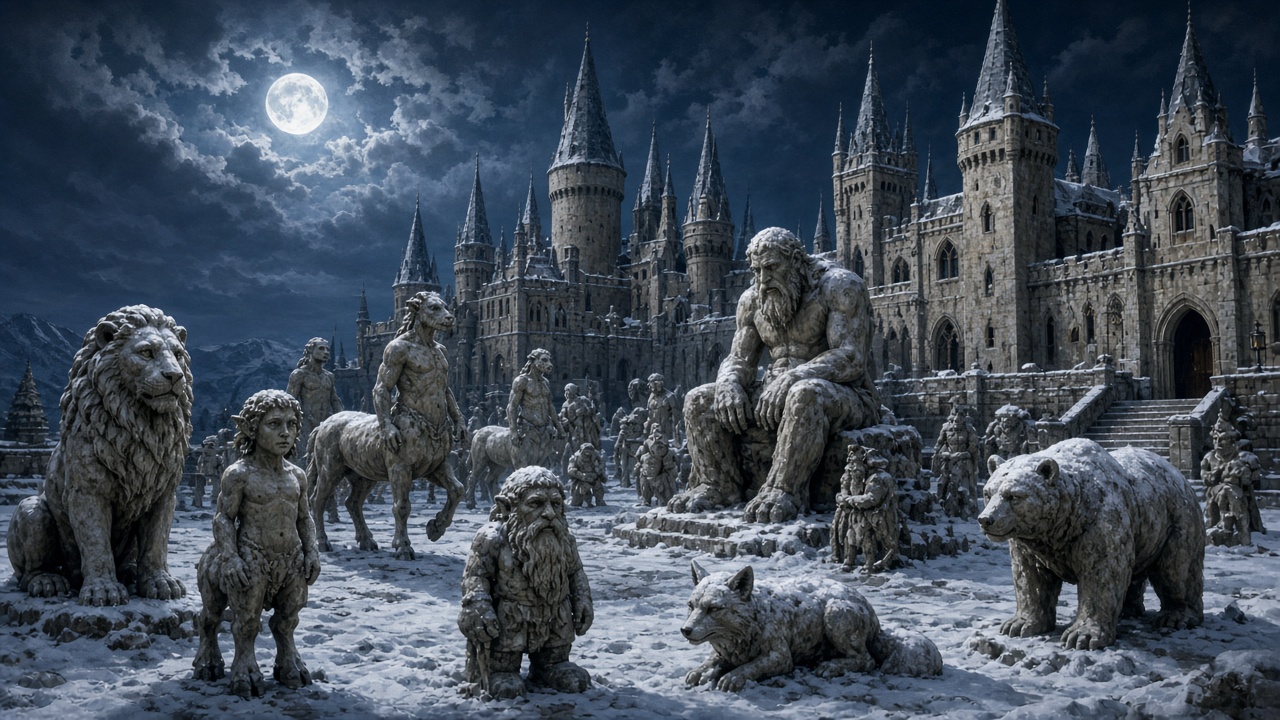
Edmund dans une cour remplie de statues d'animaux et de créatures 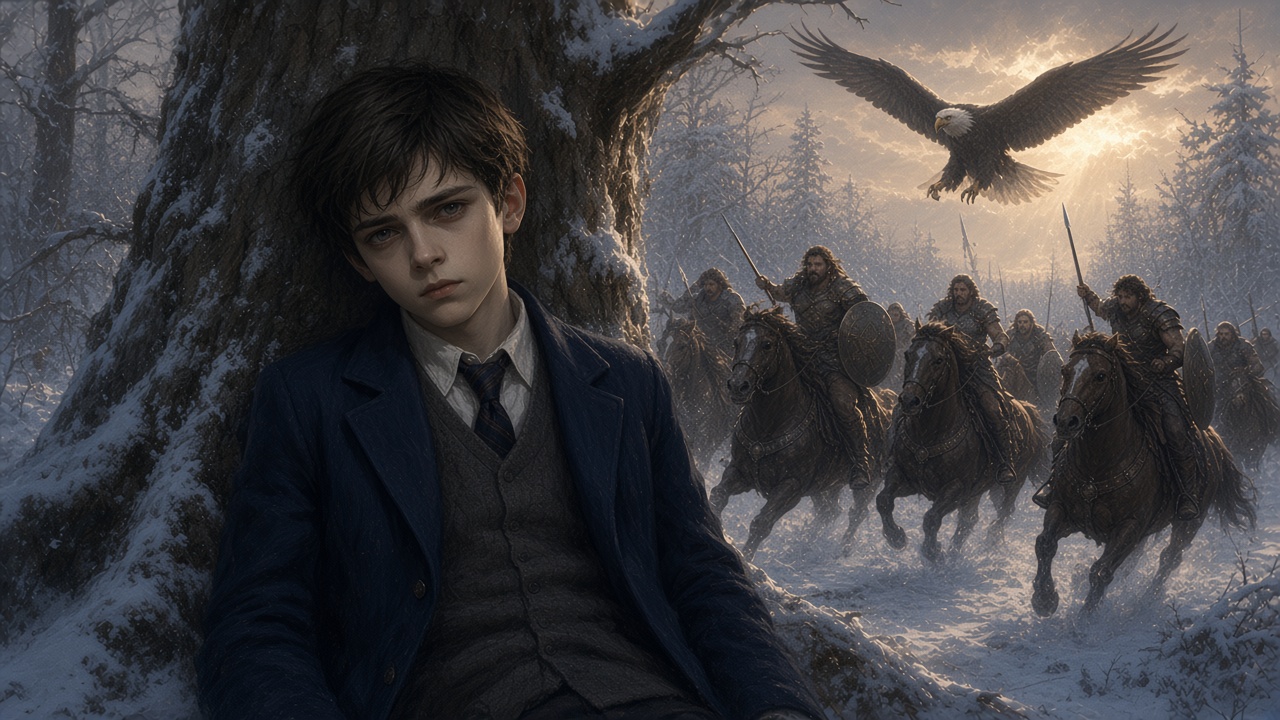
Edmund ligoté près d'un arbre, la Sorcière s'approche 
Edmund et Aslan seuls sur l'herbe au matin 
Edmund brise la baguette de la Sorcière au cœur de la bataille 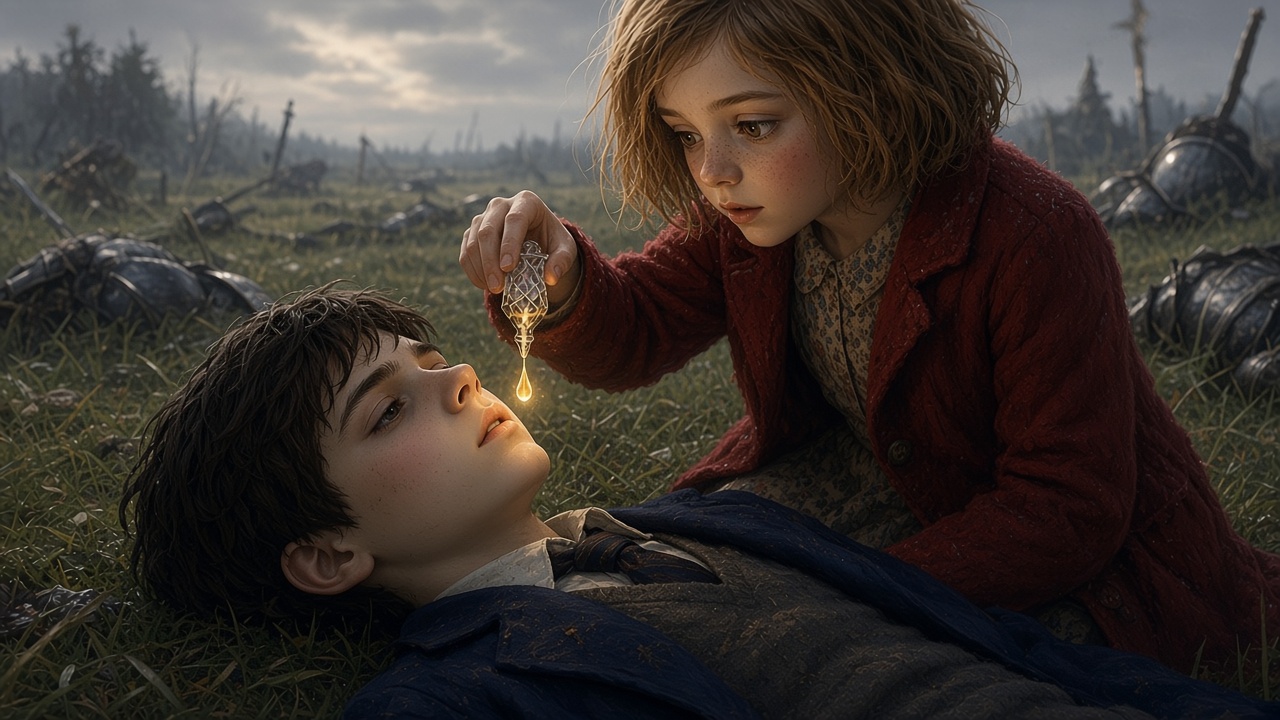
Lucy verse une goutte de cordial sur les lèvres d'Edmund blessé 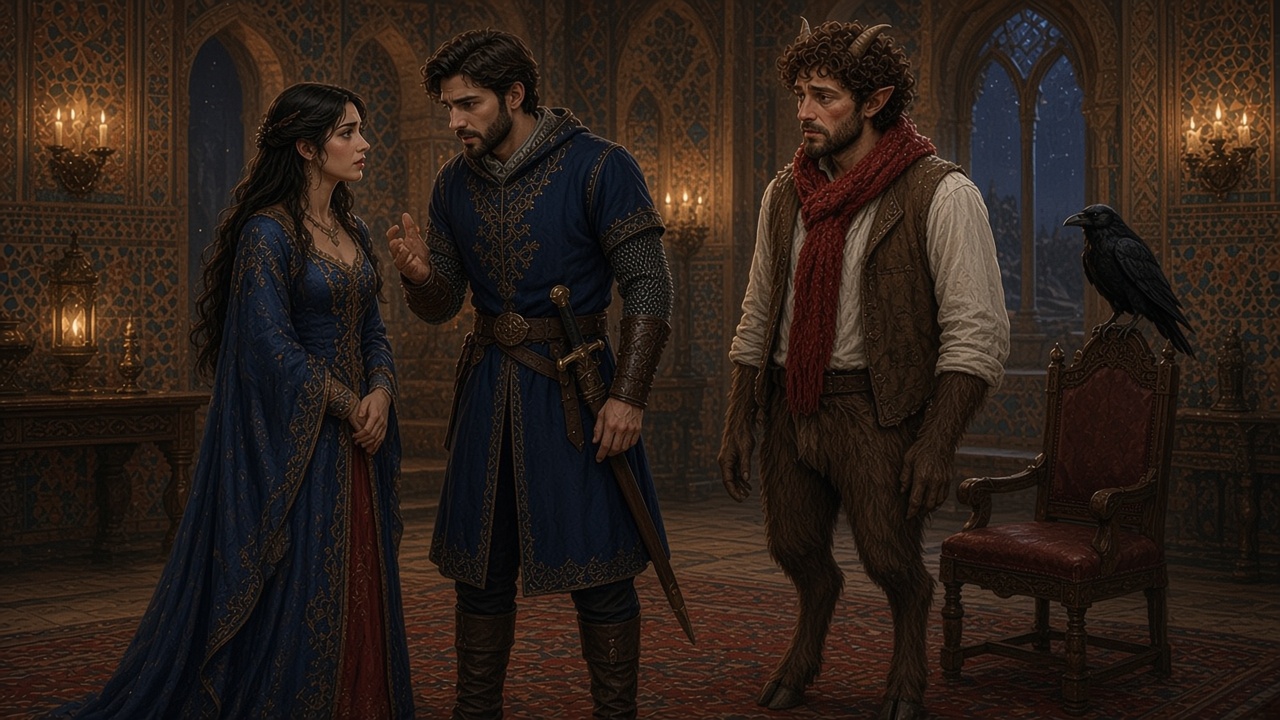
Edmund adulte plaide la clémence devant ses pairs 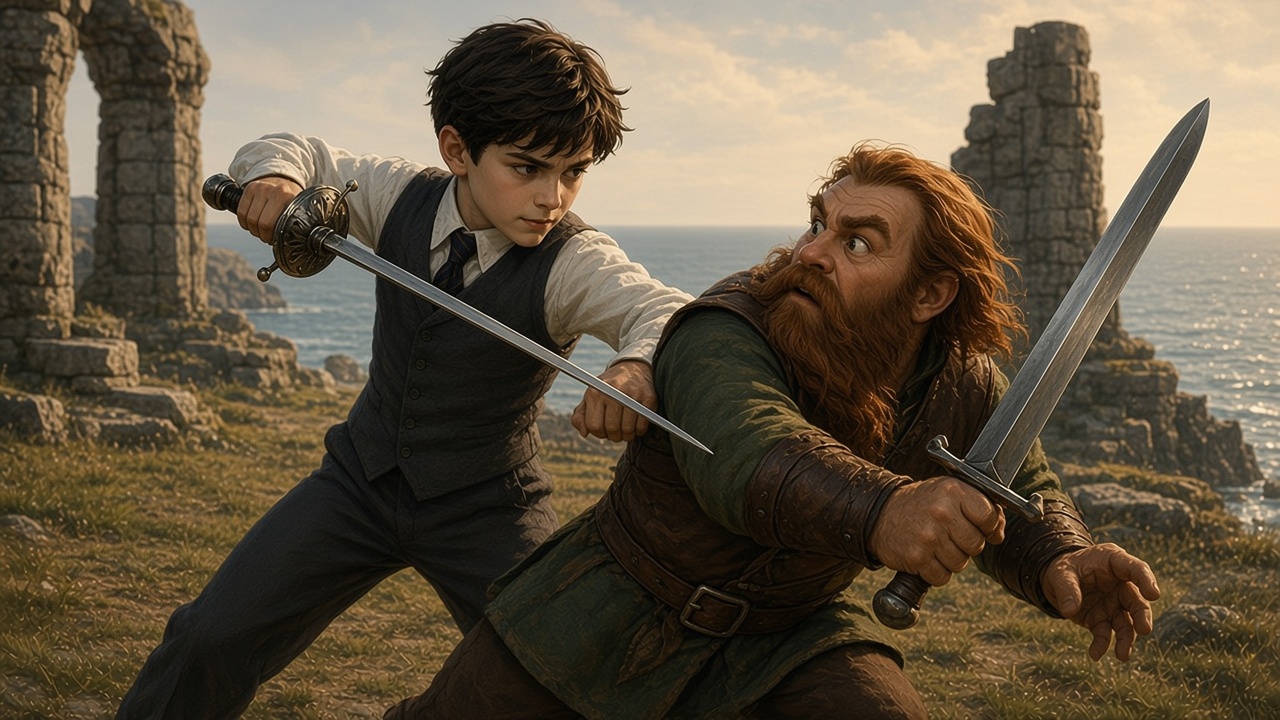
Edmund enfant affronte un nain à l'épée 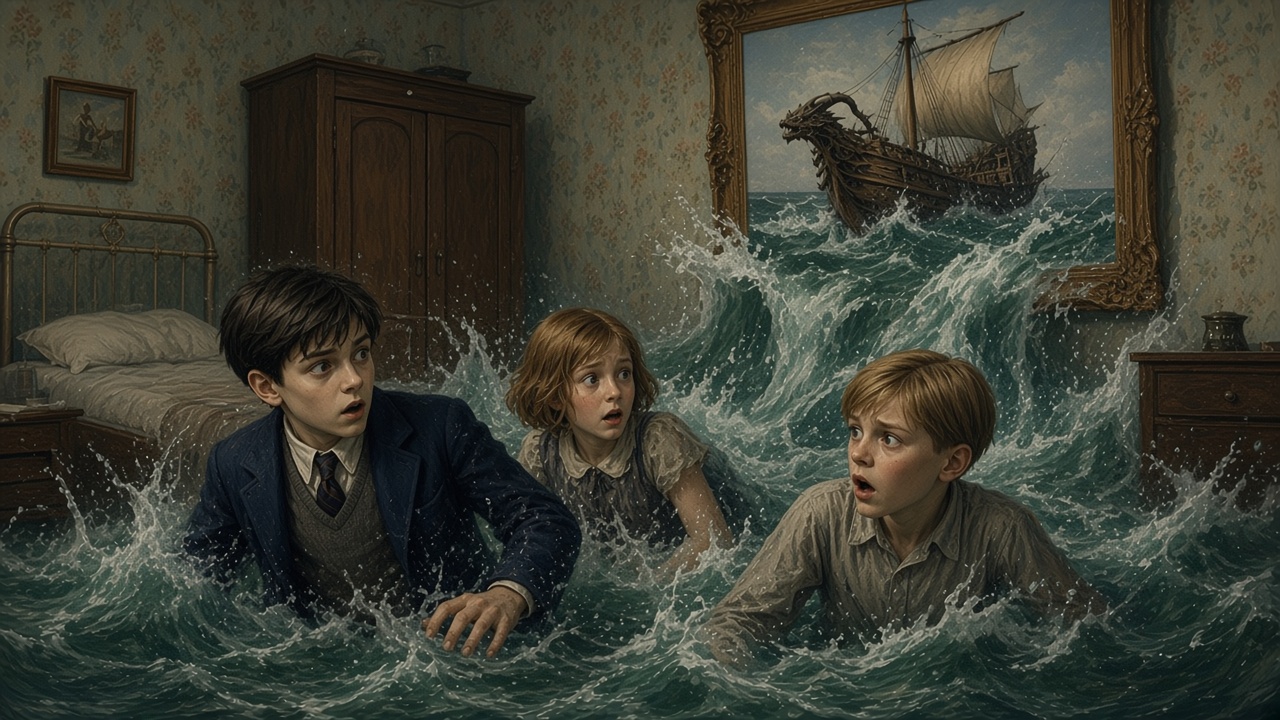
Edmund, Lucy et un garçon pâle aspirés dans un tableau de navire 
Edmund devant un bassin qui change tout en or 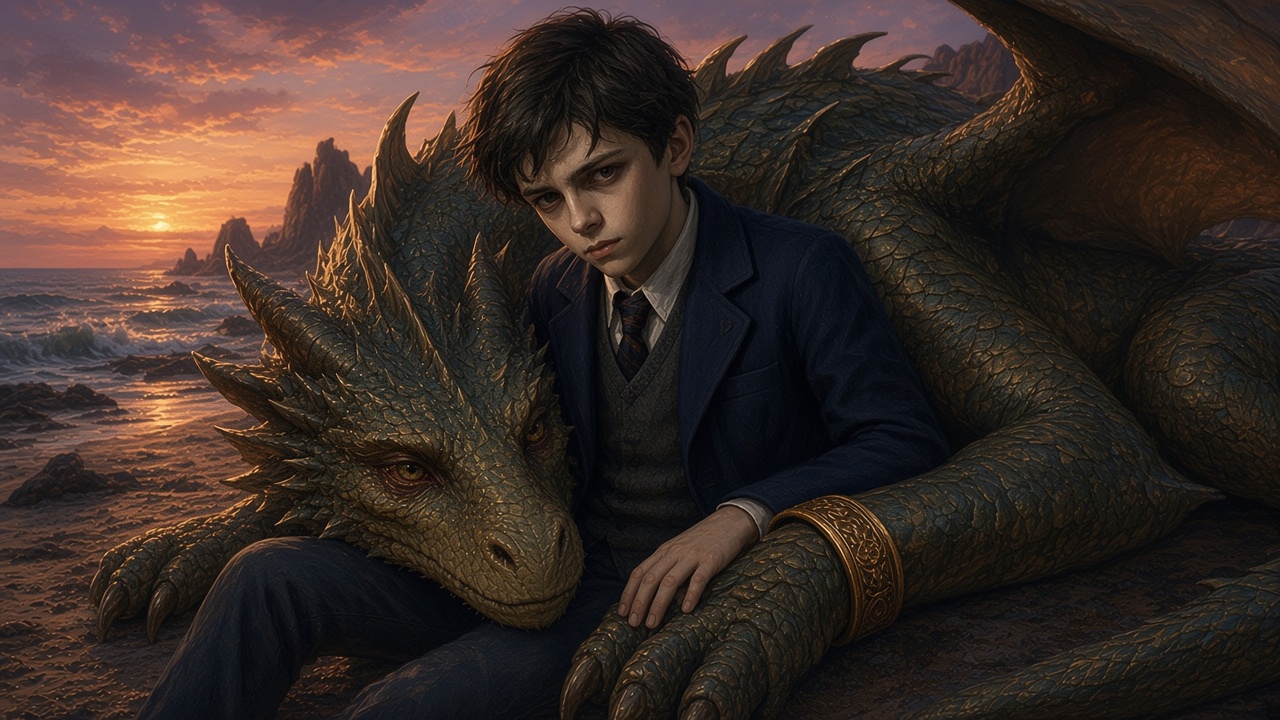
Edmund parle doucement à un dragon sur la plage 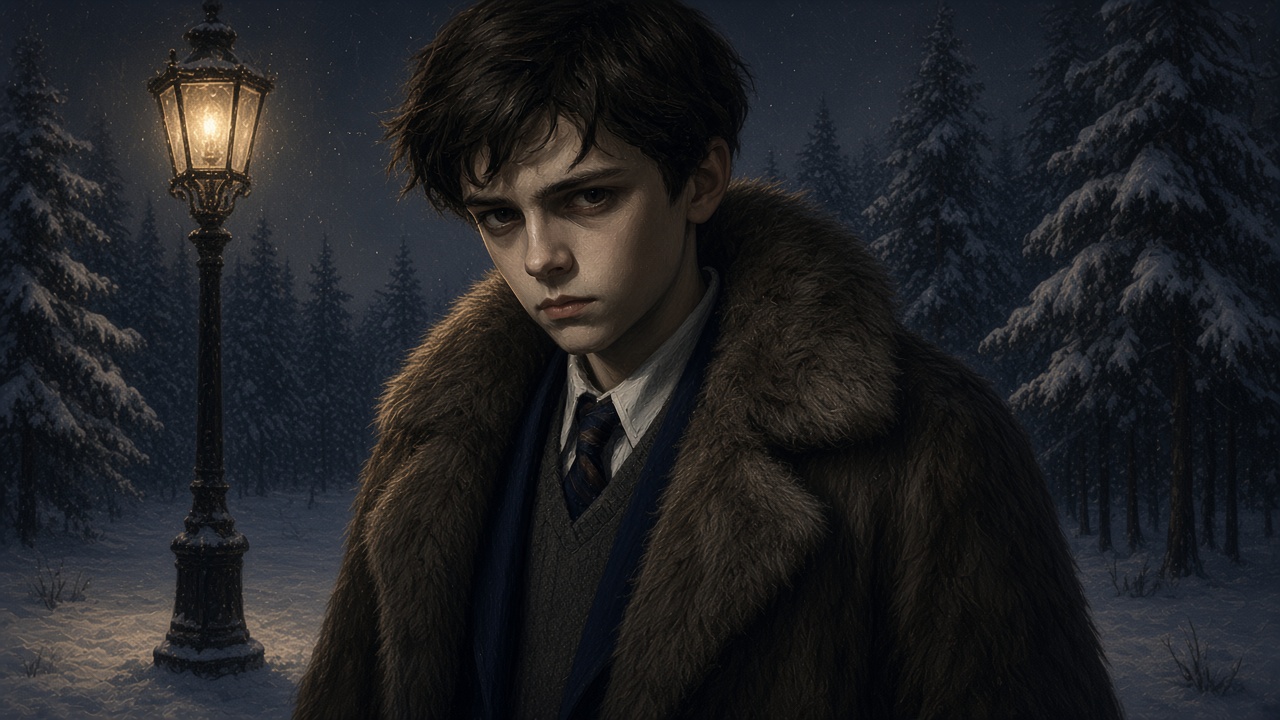
Edmund enfant fixe le réverbère dans la neige
Dans le même groupe



Archives de l’ancien site
Edmund Pevensie
Edmund is the second youngest of the four Pevensie children. He was born in 1930. Evacuated from their home during the London Blitz of World War II to the home of Professor Kirke. Edmund is a complicated person. He is jealous of Lucy and Peter, and he was delighted when the White Witch offered to make him a prince so that he could get back at his brother Peter for calling him a beast. He likes to grumble and sneer, and he holds a grudge against Lucy—his character changed completely after the adventure in *The Lion, the Witch and the Wardrobe*. He later became King Edmund the Just. His titles include Duke of the Lantern Wasteland, Count of the Western March, Knight of the Noble Order of the Table.
Presentation in the book
*« Aslan and Edmund walked together in the dewy grass, apart from the rest of the court. It is not worth reporting Aslan’s words, but it was a conversation Edmund never forgot. »* (*The Lion, the Witch and the Wardrobe*, p. 147)
Appearance in the books
*The Lion, the Witch and the Wardrobe* *The Horse and His Boy* *Prince Caspian* *The Voyage of the Dawn Treader* *The Last Battle*
Edmund Pevensie
Edmund is the second youngest of the four Pevensie children, born in 1930. Evacuated from their home during the London Blitz of World War II to the home of Professor Kirke. Edmund is a complicated person. He is jealous of Lucy and Peter, and he was delighted when the White Witch offered to make him a prince so he could get back at his brother Peter for calling him a beast. He likes to grumble and sneer, and holds a grudge against Lucy—his character changed completely after the adventure in *The Lion, the Witch and the Wardrobe*. He later became King Edmund the Just. His titles include, among others, Duke of the Lantern Waste, Count of the Western March, Knight of the Order of the Table.
Presentation in the book
*« Aslan and Edmund walked together in the dewy grass, away from the rest of the court. It is not worth reporting Aslan’s words, but it was a conversation that Edmund never forgot. »* (*The Lion, the Witch and the Wardrobe*, p.147)
Quote
*« How can we be sure that you’re a friend ? – You can’t be sure, said the girl. You can only believe… or not. »*
– Edmund and Ramandu’s Daughter (*The Voyage of the Dawn Treader*, p.221)
Appearances in the volumes
*The Lion, the Witch and the Wardrobe*, *Prince Caspian*, *The Voyage of the Dawn Treader*, *The Silver Chair*, *The Last Battle*
Échanges entre lecteurs
Une question, un souvenir de lecture, une idée ? Partagez-les avec les autres lecteurs, dans le respect de la charte des commentaires.
Les commentaires ne sont pas disponibles pour le moment.
Les commentaires sont fermés sur cette page.
Aucun commentaire pour le moment. Soyez la première personne à partager votre avis !
Merci ! Votre commentaire sera visible après relecture.