Grande figure de Narnia
Mr Tumnus
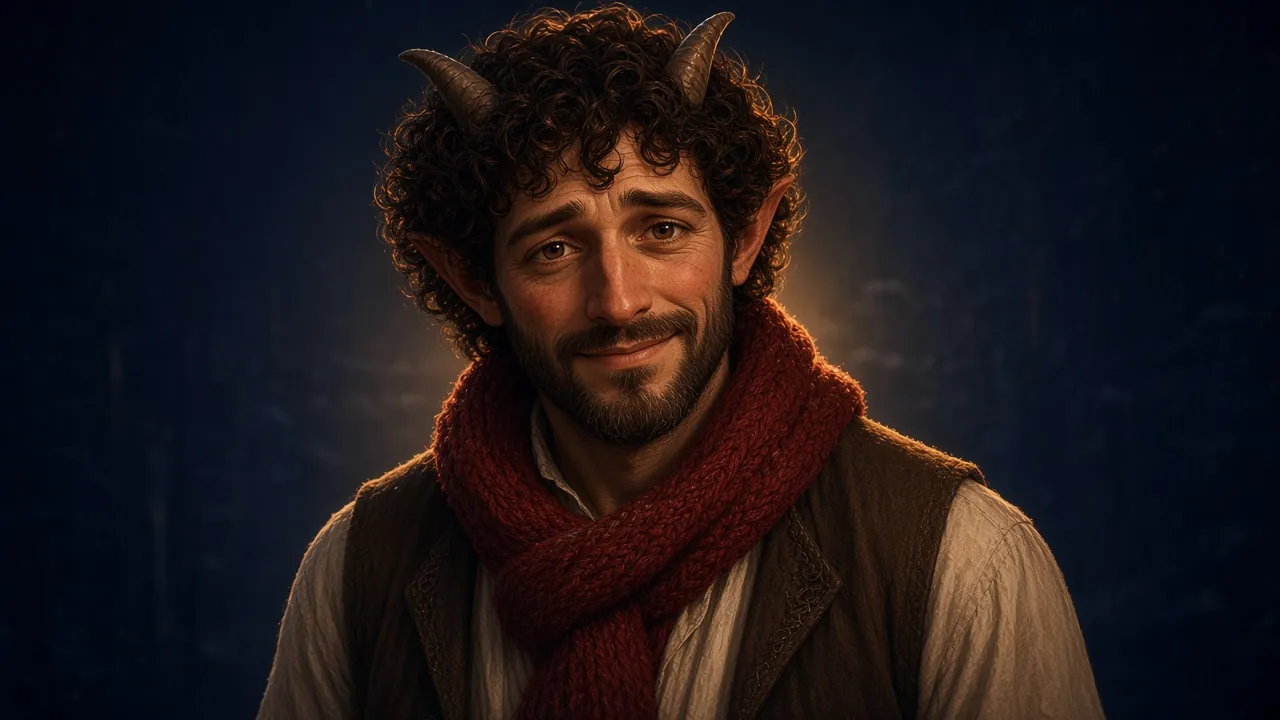
The timid faun Mr Tumnus who invites Lucy to tea refuses to deliver her to the White Witch and pays dearly for his choice.
Repères
- Espèce
- Faun (human bust, two goat legs)
- Nom original
- Mr Tumnus
- Autre traduction
- Mr Tumnus
- Autres noms
- Tumnus
- Titres
- Advisor to the court of Cair Paravel (The Horse and His Boy)
- Origine
- Home
- Nationalité
- Narnia
- Allégeance
- Narnia, Aslan (after a hesitation in the service of the White Witch)
- Famille
- His father, a faun, whose portrait adorns his cave (name unknown)
- Première apparition
- The Lion, the Witch and the Wardrobe, ch. 1
- Âge
- In brief
En bref
Mr Tumnus is the first creature Lucy meets in Narnia, and for many readers the very first image of Narnia. He is a faun : a man’s upper body, two goat legs, small horns and a tail. He wears a red scarf and carries an umbrella and packages under the snow. He lives in a cozy cave filled with tantalizing book titles and receives her with an English parlor-worthy tea. Yet beneath this friendly exterior, he hides a secret that gnaws at him.
« I am such a bad faun. »
I'm such a bad Faun.
— Mr. Tumnus, The Lion, the Witch and the Wardrobe, ch. 2
Personality
Tumnus is polite, bookish, melancholy, and somewhat timid. He is above all honest : his remorse is immediate, and he would rather risk his life than betray a child who trusts him. He is a character of “small courage,” one of ordinary folk who say no at the wrong moment.
Insight and analysis
Lewis said that Narnia was born from an image he carried since the age of sixteen : a faun with an umbrella and packages in a snowy wood. Tumnus blends ancient mythology (the faun, companion of woodland deities) with Victorian England (tea, books, umbrella). This blend of worlds is characteristic of The Chronicles. His story also shows the fear under a dictatorship, where everyone is pressured to betray their neighbor.
Relations
- Lucy : his friend, whom he ultimately refuses to deliver to the Witch.
- The White Witch : who turns him to stone for his failed betrayal.
- The Pevensies : of whom he becomes a loyal friend during the Golden Age (The Horse and His Boy).
Name and translations
Two possible origins have been suggested : the Latin autumnus (autumn) and Vertumnus, the Roman god of the seasons and orchards. Lewis never confirmed either.
The original image
Lewis said that all of Narnia began with an image he had at about sixteen : a faun with an umbrella and packages in a snowy wood. He carried this image in his mind for nearly twenty-five years before writing it down. Tumnus is therefore, literally, the first inhabitant of Narnia.
Notable quotes
- He tearfully confesses to Lucy that he is a very nasty faun, paid by the Witch to kidnap sons of Adam and daughters of Eve.
Dans les livres
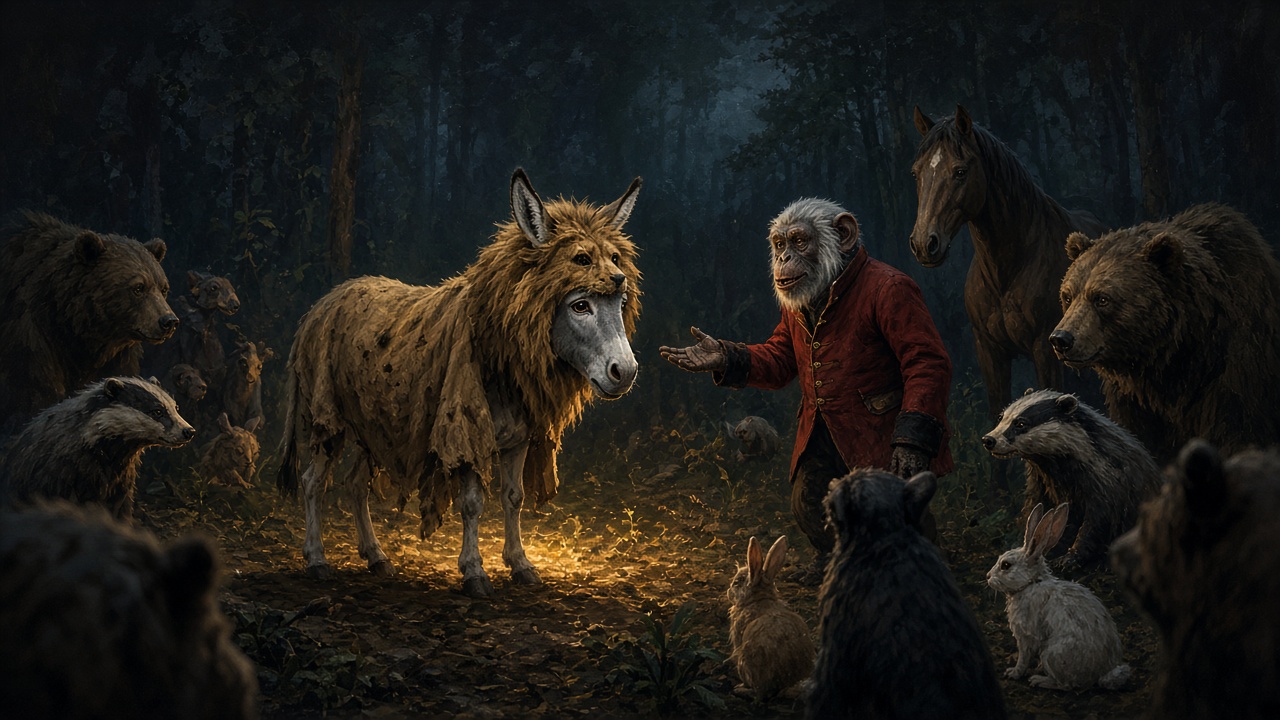


Son histoire dans les livres (révèle l’intrigue)
The story
The Lion, the Witch and the Wardrobe
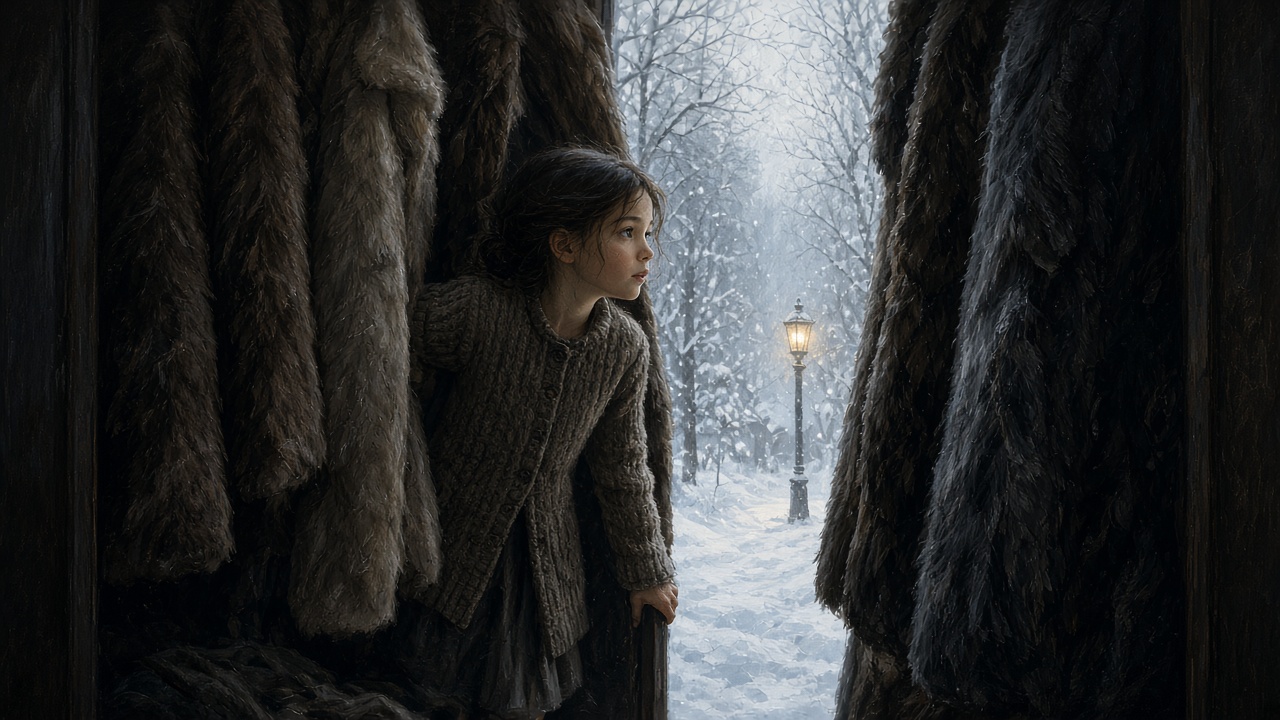
Tumnus was recruited by the White Witch to deliver any human child he encountered. He lulls Lucy to sleep with his flute, then cracks under the strain, confesses tearfully, and secretly escorts her back to the lamp-post. This act of kindness is betrayed : Edmund unwittingly reveals Tumnus’s existence to the Witch, and Tumnus is arrested and turned into a stone statue. The children find his cave ransacked. At the castle courtyard, Aslan breathes on him and revives Tumnus. He then becomes a close ally of the four Pevensie children.
The Horse and His Boy
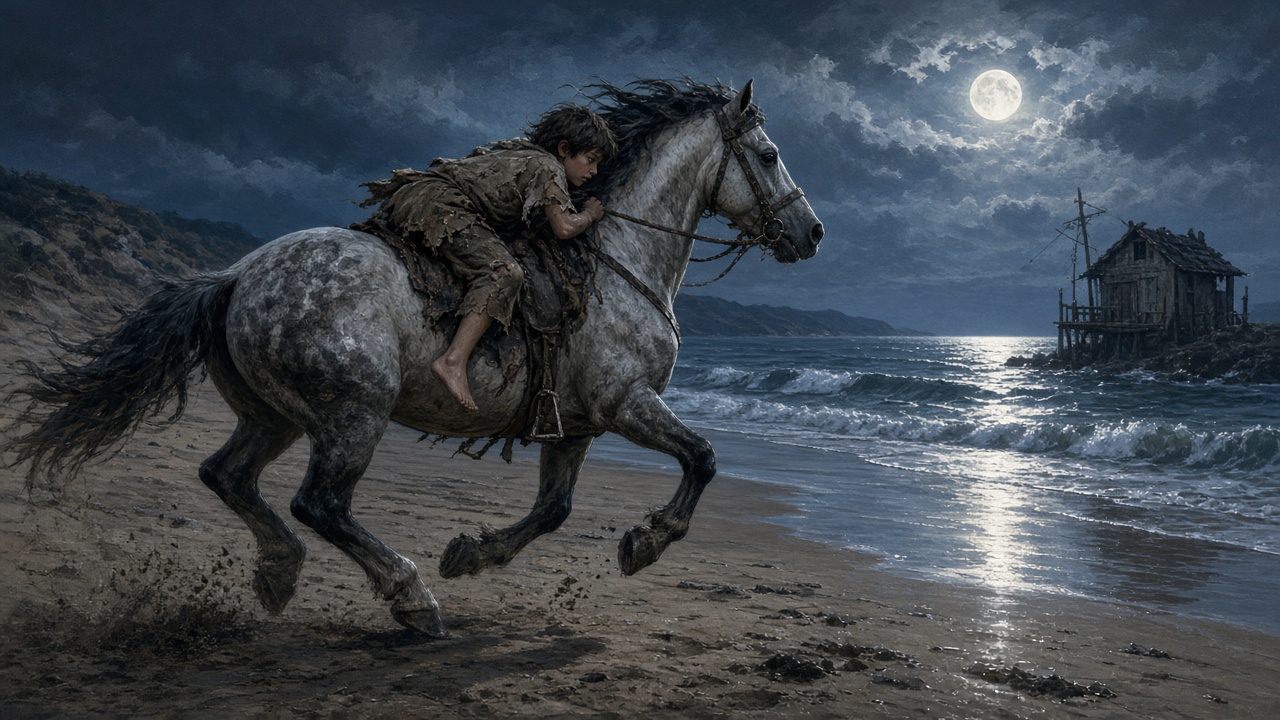
Fifteen years later, he accompanies Queen Susan to Tashbaan as her advisor. It is he who devises the ruse that allows the Narnian royal family to escape the city without arousing Prince Rabadash’s suspicions.
The Last Battle
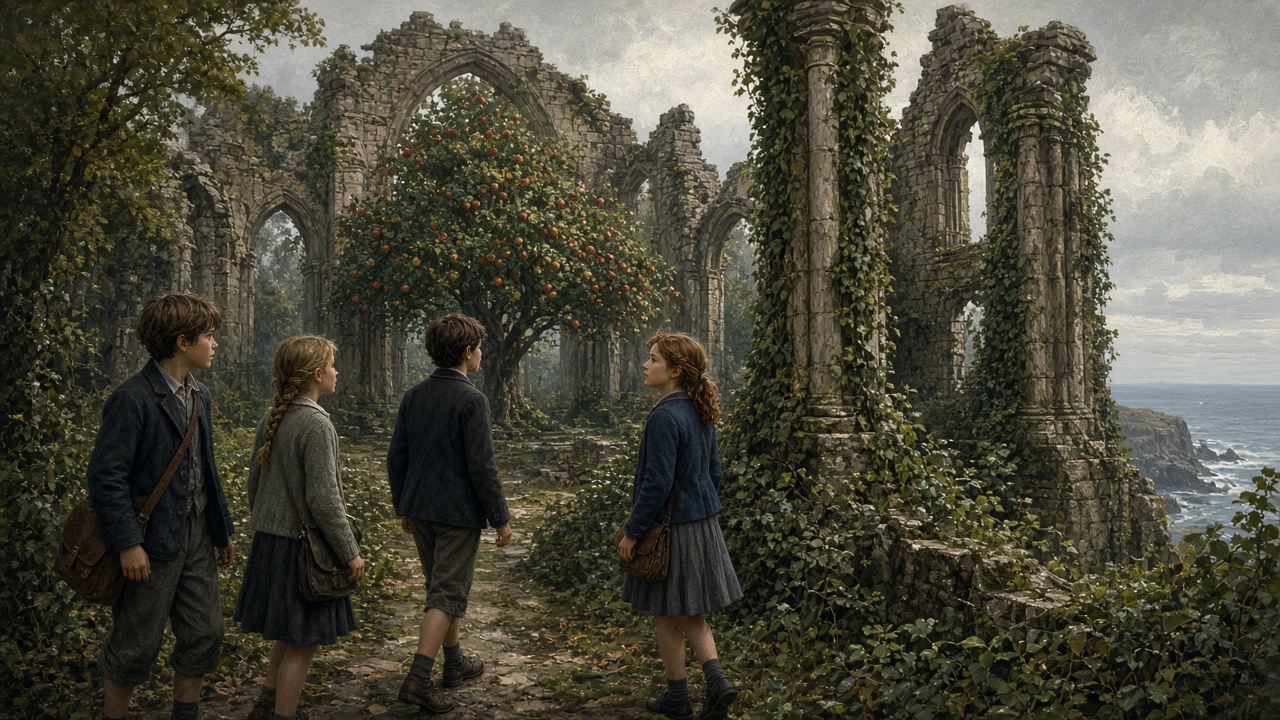
In Narnia, Lucy meets her old friend again. He explains, with the kindness of a professor, the nature of the new world they have entered.
Lieux liés
- Sur la carte
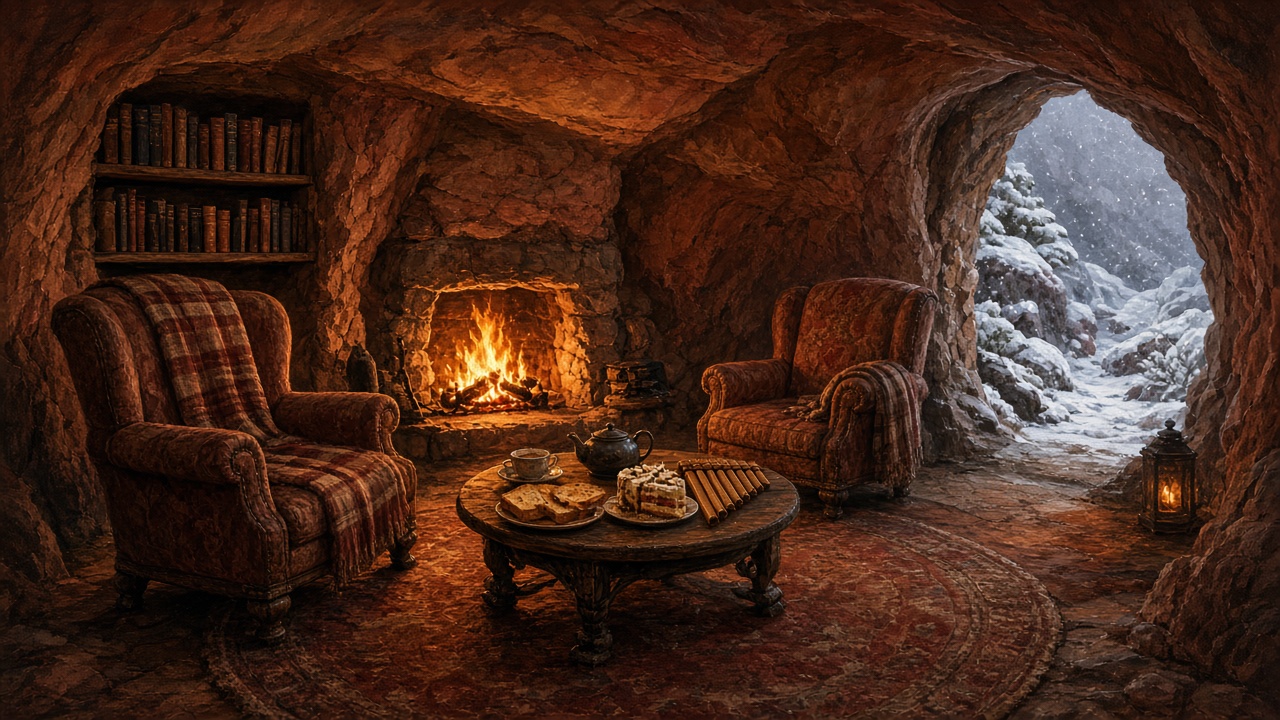
- Sur la carte
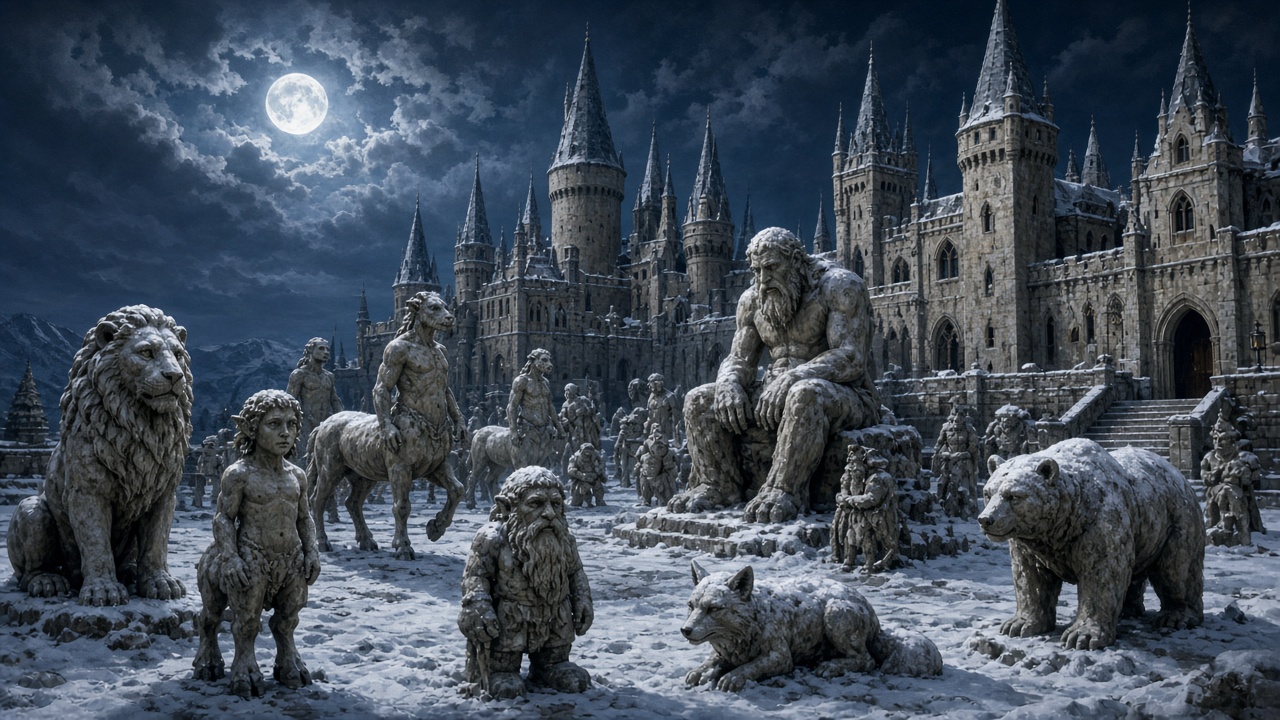
- Sur la carte

- Sur la carte



Objets liés




Peuples liés

Galerie
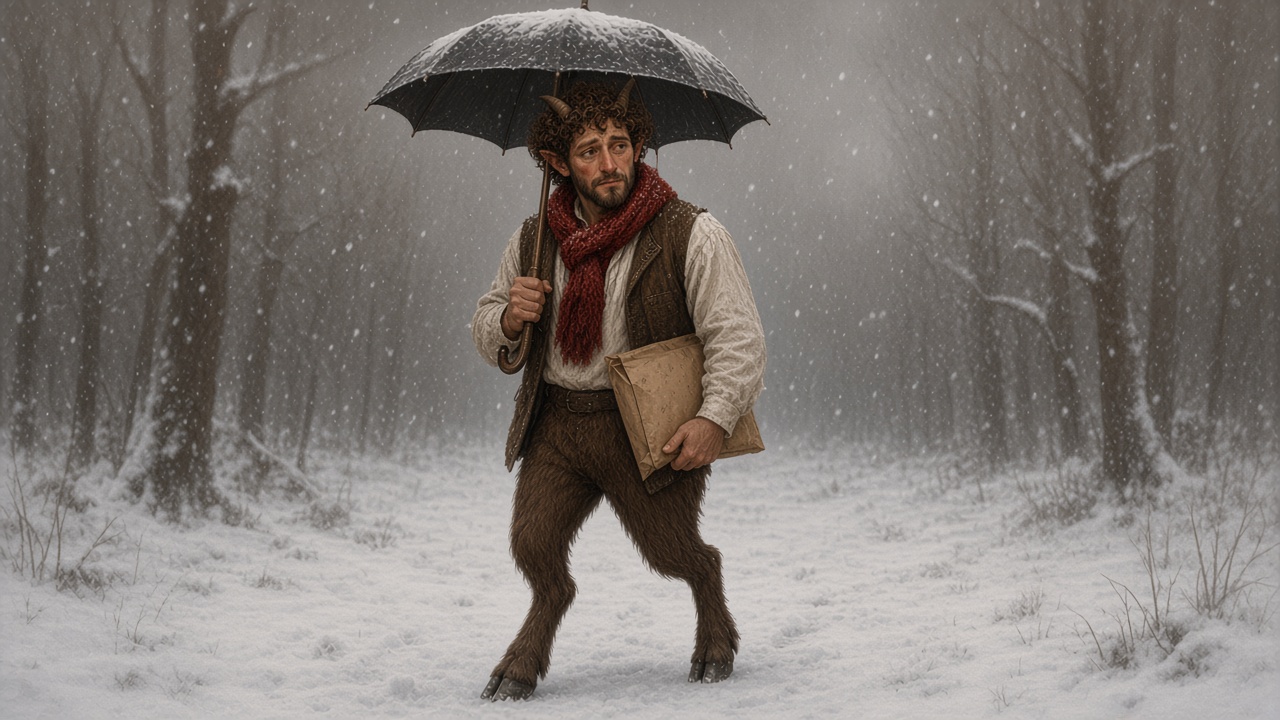
Tumnus debout sur ses deux jambes de chèvre, parapluie et paquets 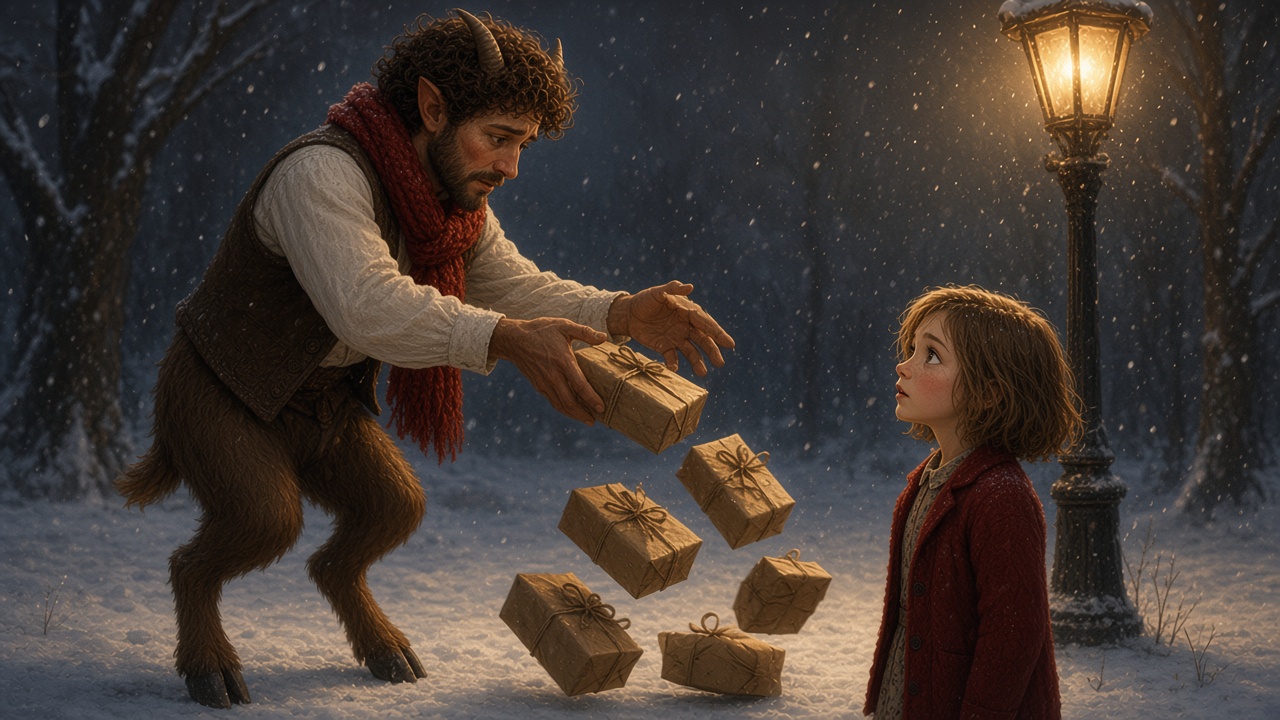
Tumnus surpris par une petite fille sous le réverbère 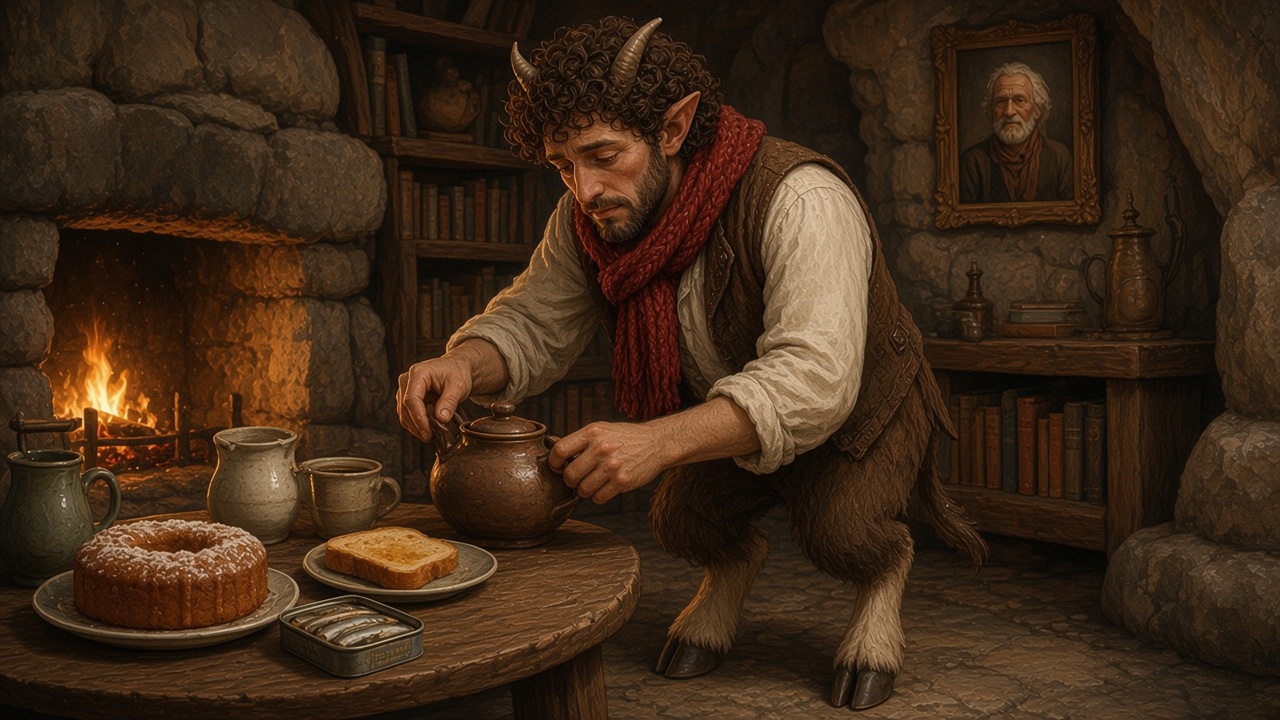
Intérieur douillet de la grotte, livres et feu 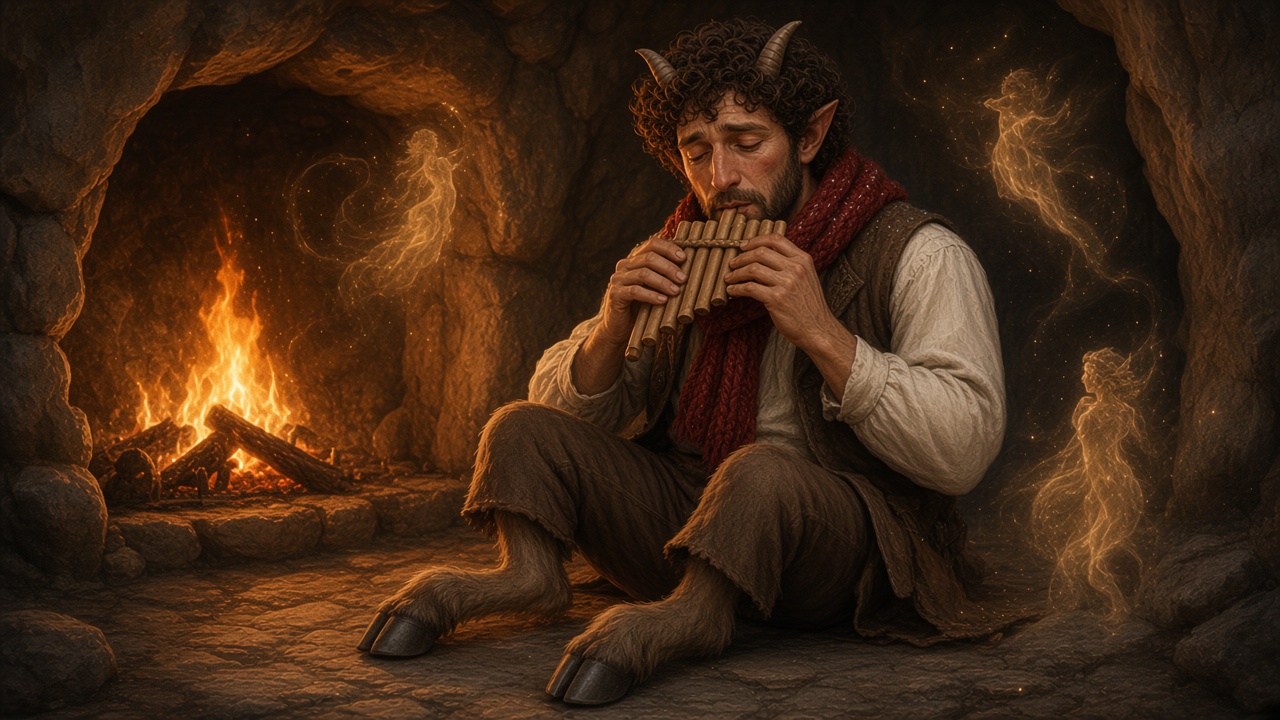
Tumnus joue de la flûte, ombres dansantes dans le feu 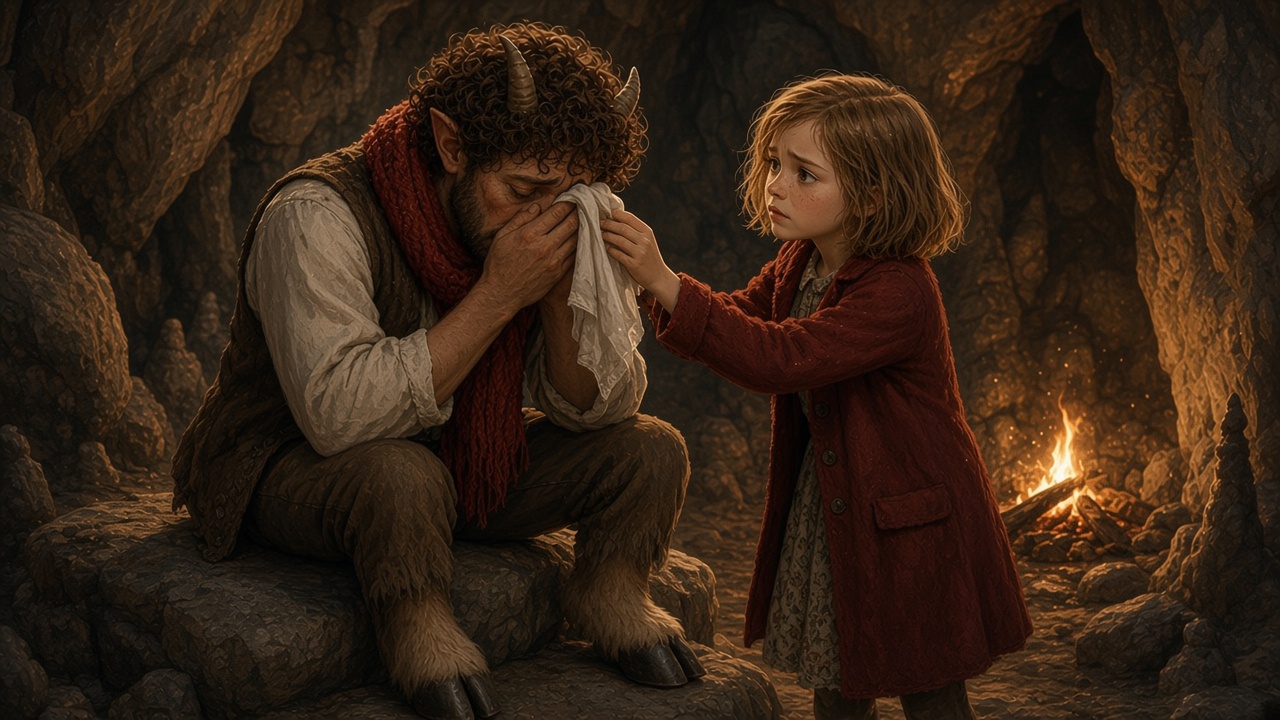
Tumnus pleure en avouant sa trahison 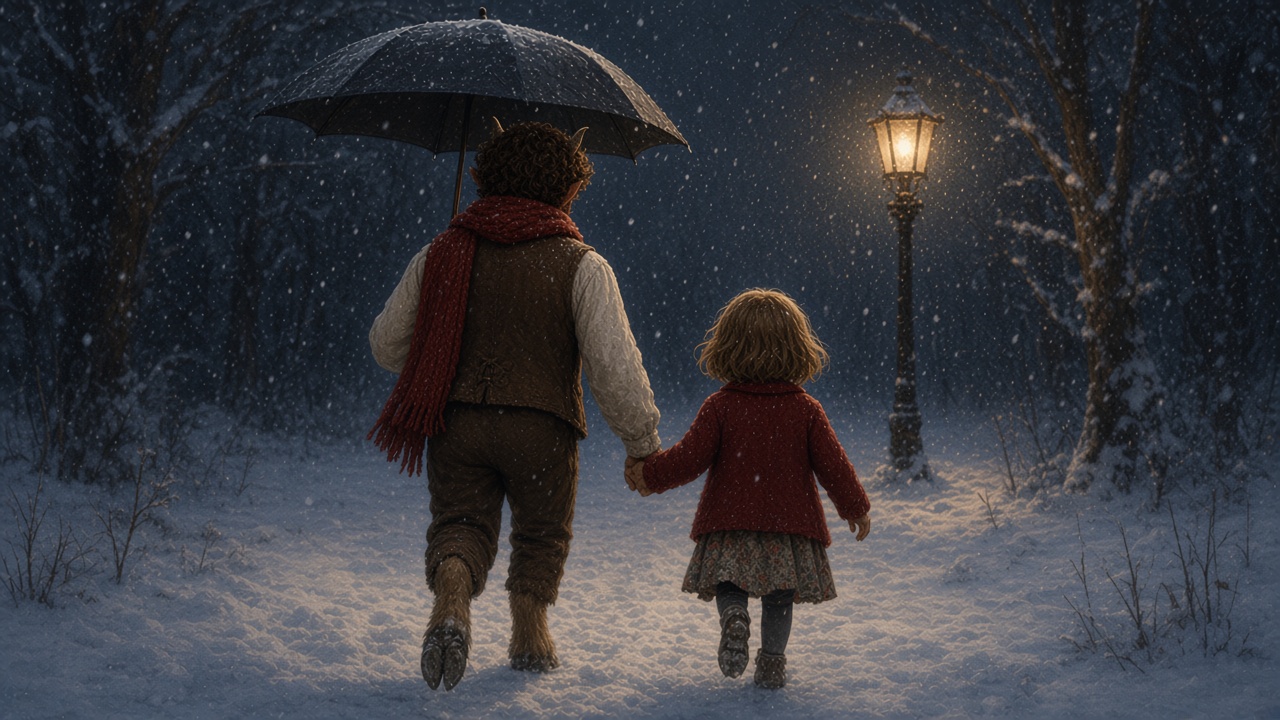
Tumnus raccompagne Lucy main dans la main dans la neige 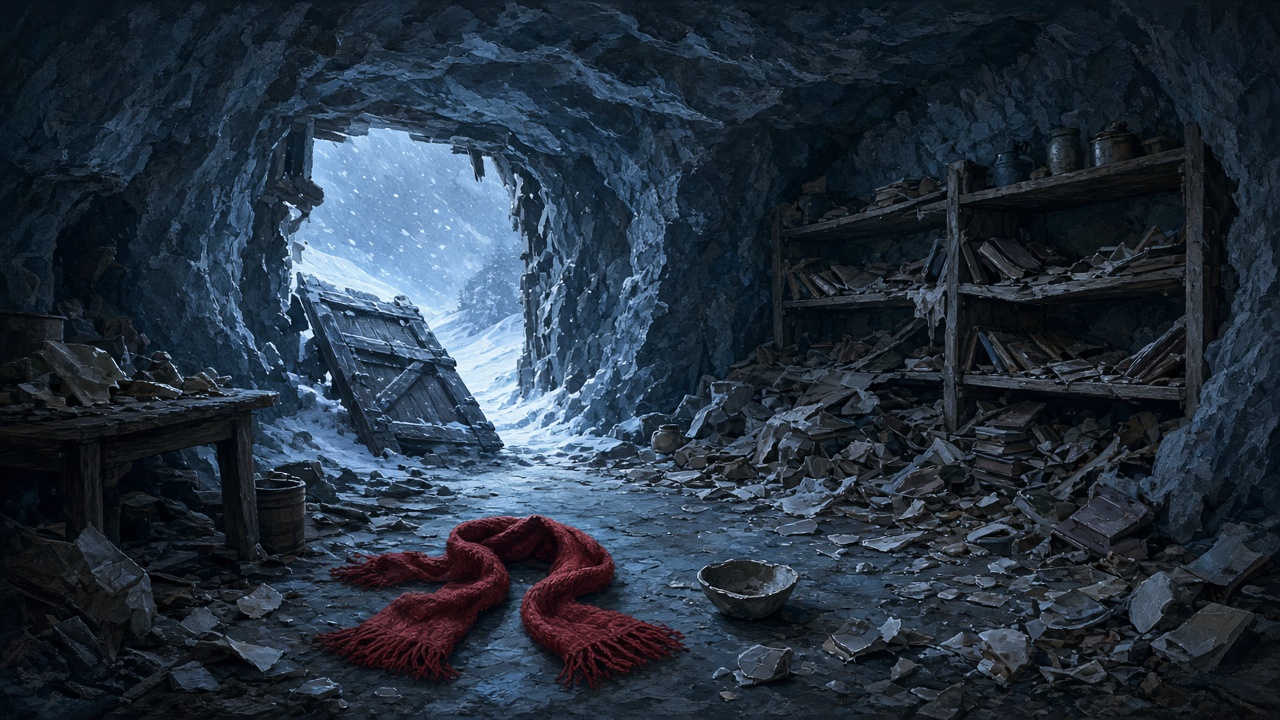
La grotte de Tumnus détruite, la neige entre par la porte 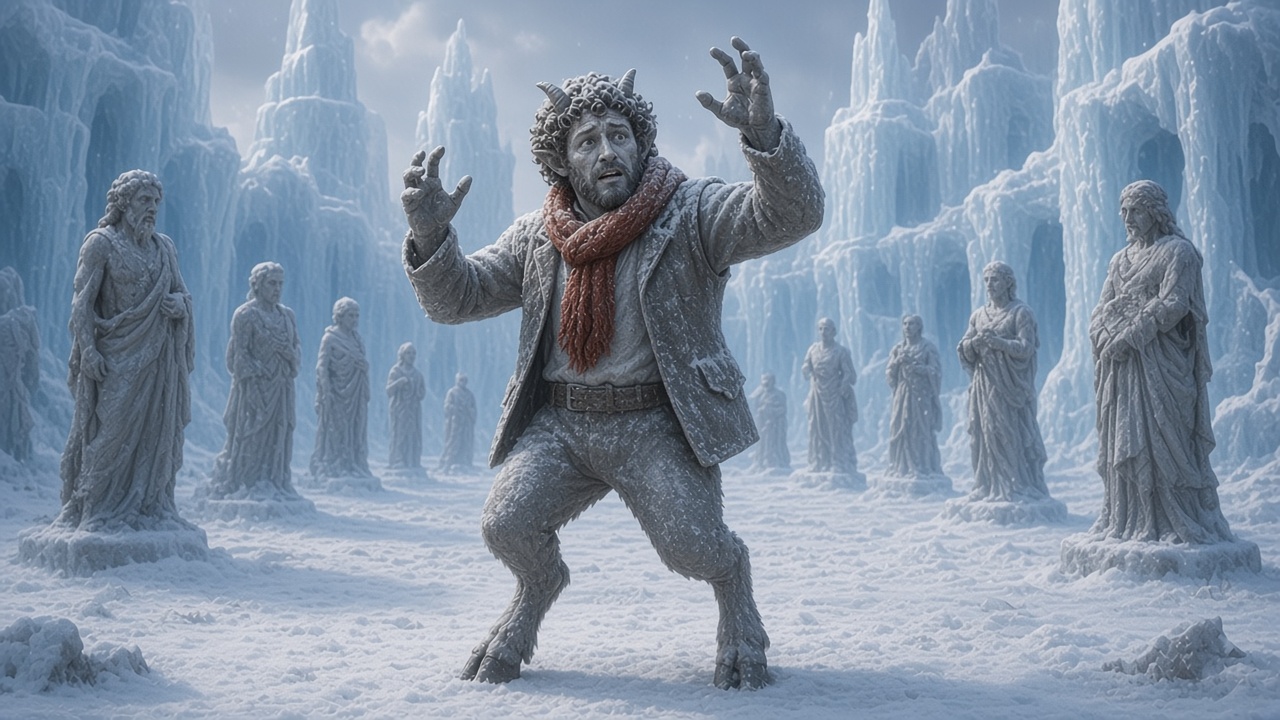
Tumnus pétrifié dans la cour de la Sorcière 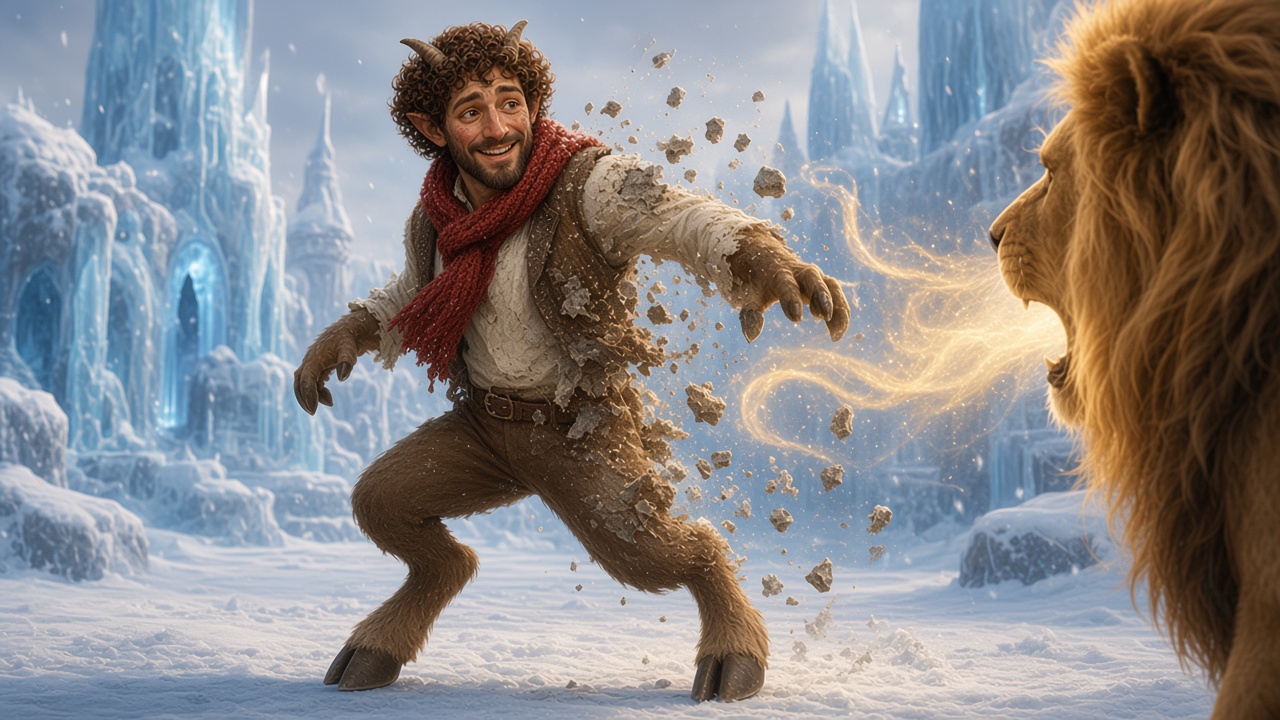
Tumnus reprend vie, la couleur revient dans la pierre 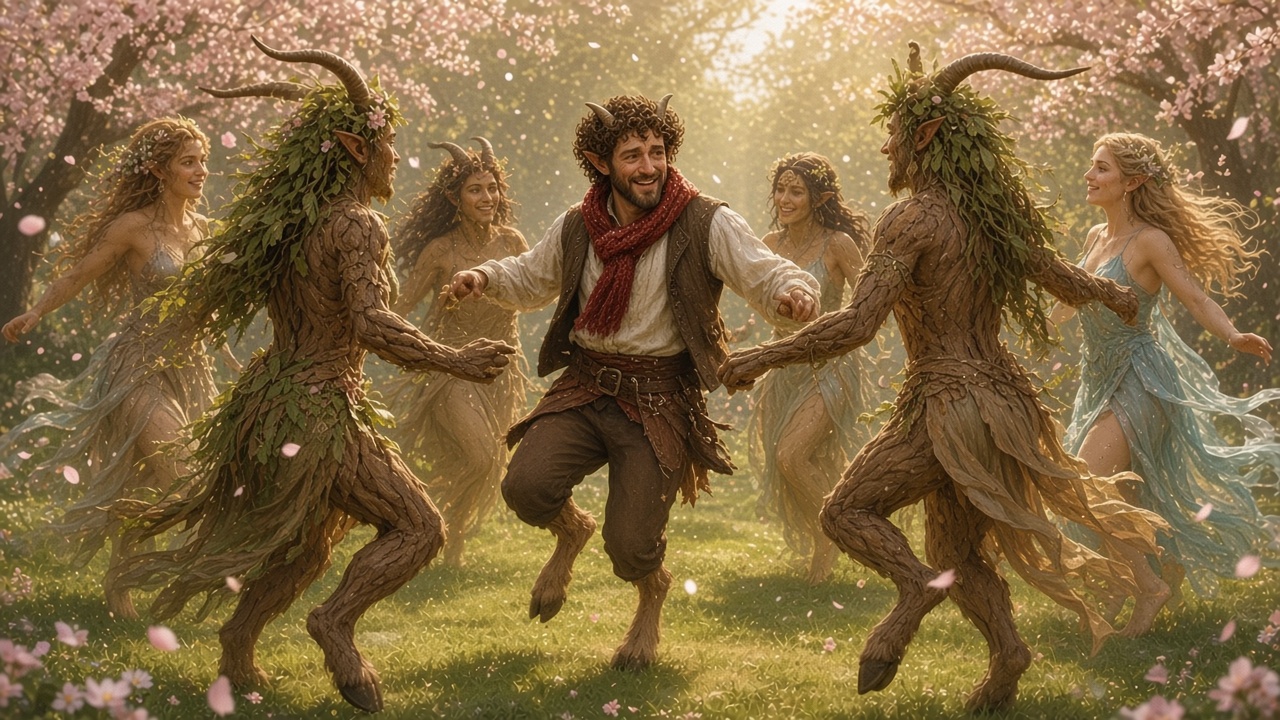
Tumnus danse avec Lucy lors d'une fête 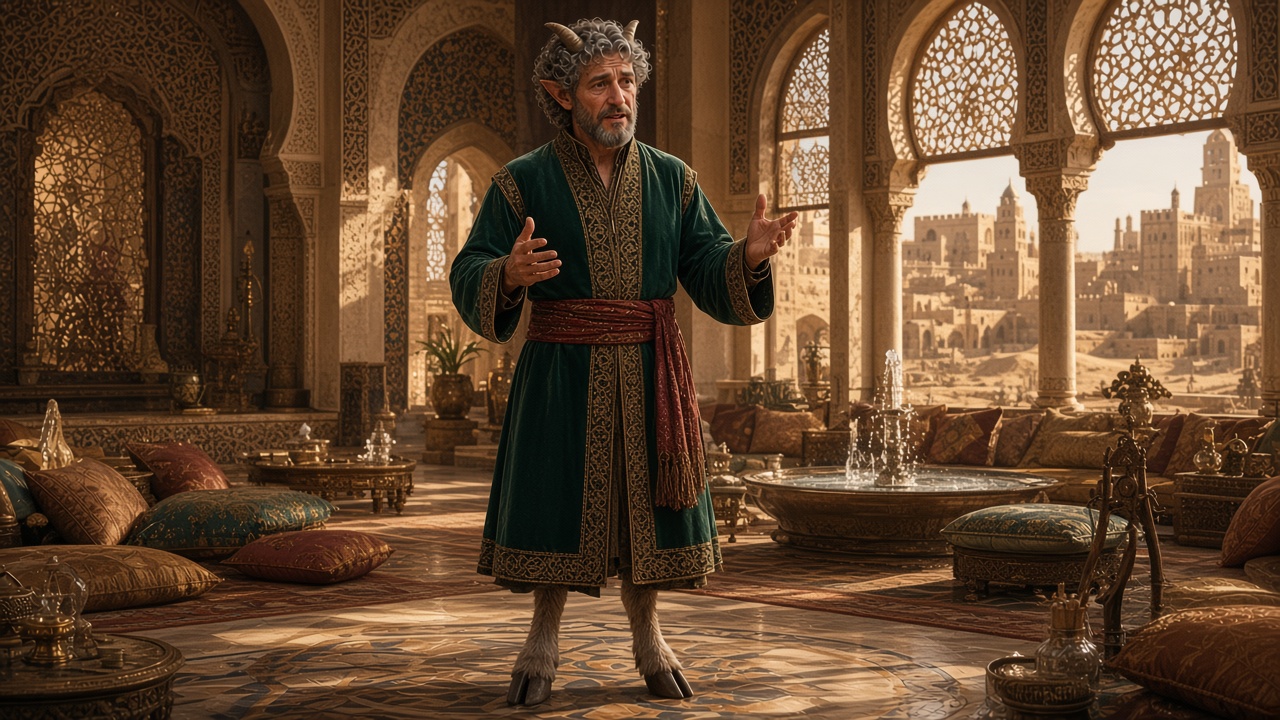
Tumnus, conseiller, expose une ruse aux Narniens 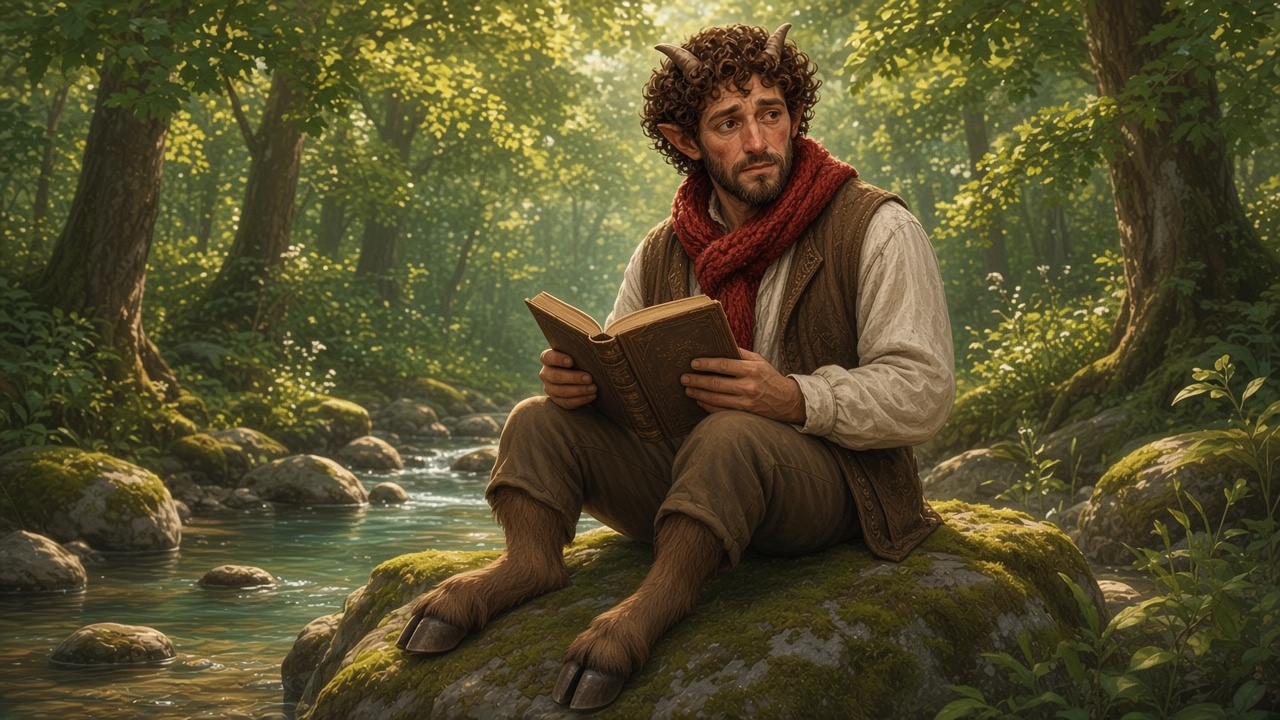
Tumnus lit sous un arbre en été 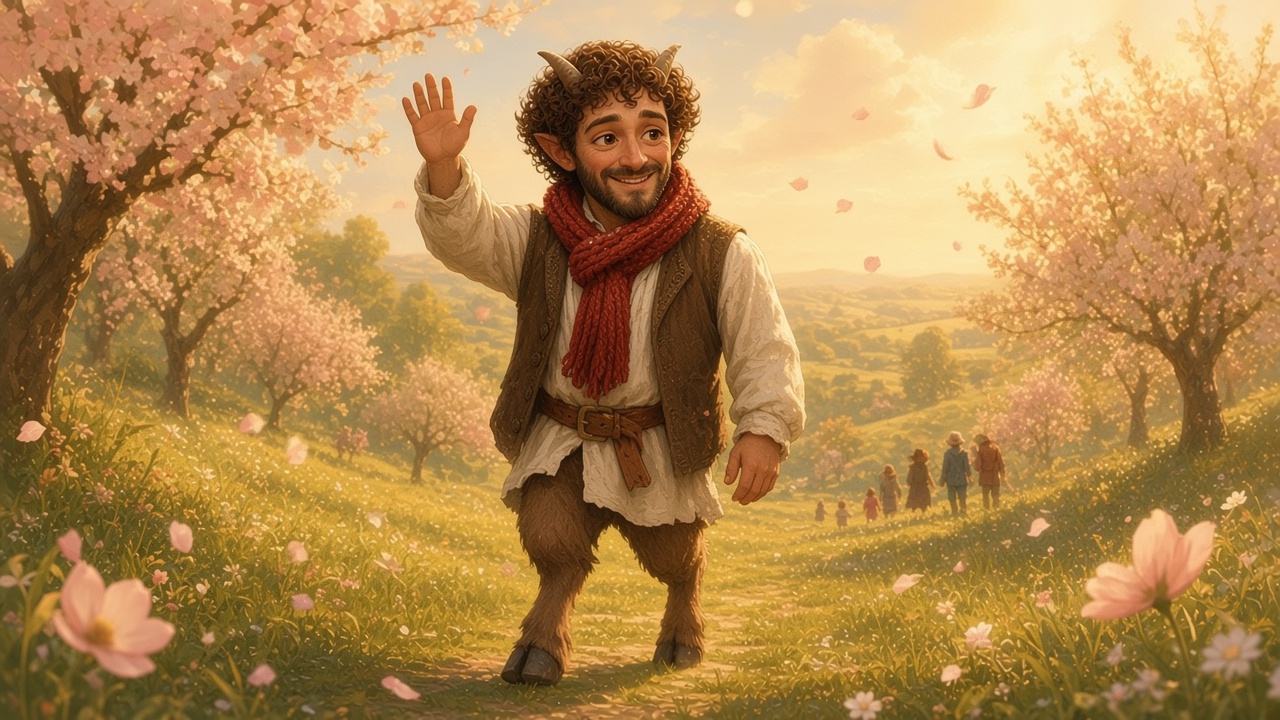
Tumnus accueille Lucy dans un jardin lumineux 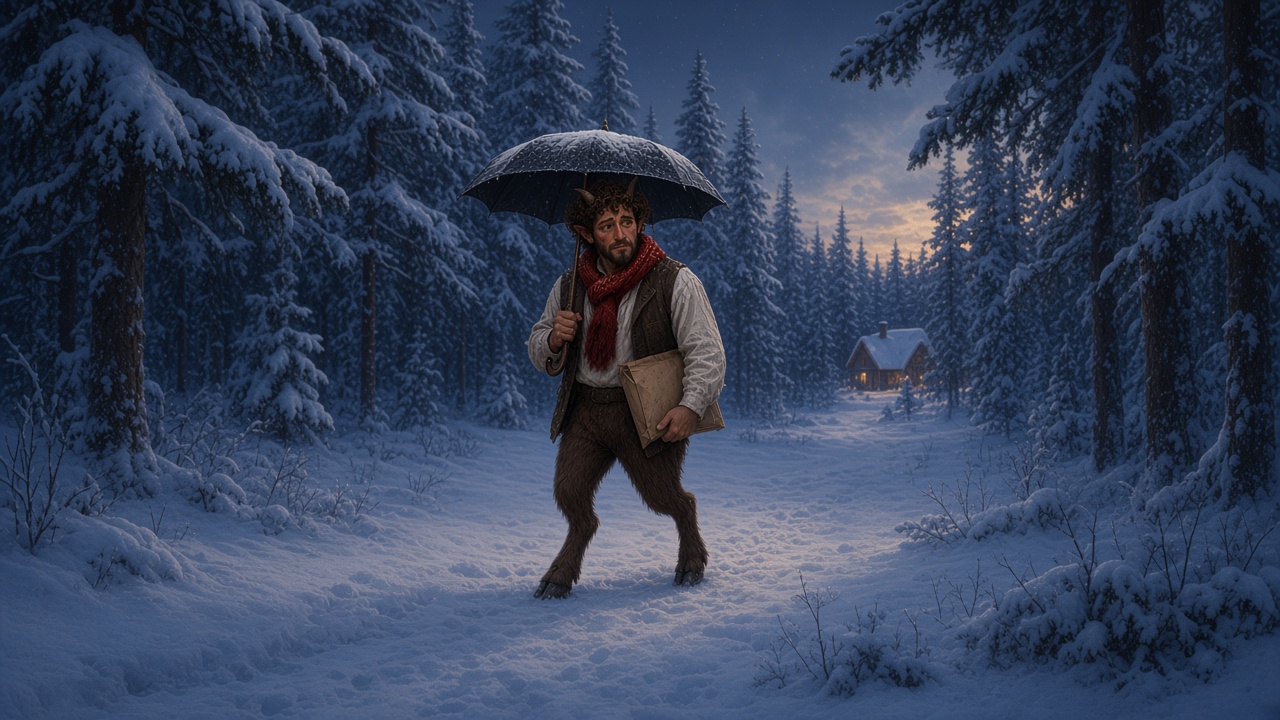
Image fondatrice de Narnia : un faune avec parapluie dans un bois enneigé
Dans le même groupe
Archives de l’ancien site
Mr Tumnus
The faun Lucy meets is a cheerful and musical creature. Jadis the White Witch had forced him to capture a son of Adam or a daughter of Eve, but he was unable to do so and was punished for it.
Presentation in the book
*"He was just a little taller than Lucy and held a snow-covered umbrella above his head. From the waist up, he looked like a man, but his legs were shaped like a goat’s (covered with sleek black hair), and instead of feet, he had hooves."* (*The Lion, the Witch and the Wardrobe*, p.16)
Appearance in the books
*The Lion, the Witch and the Wardrobe* *The Horse and His Boy* *The Last Battle*
Échanges entre lecteurs
Une question, un souvenir de lecture, une idée ? Partagez-les avec les autres lecteurs, dans le respect de la charte des commentaires.
Les commentaires ne sont pas disponibles pour le moment.
Les commentaires sont fermés sur cette page.
Aucun commentaire pour le moment. Soyez la première personne à partager votre avis !
Merci ! Votre commentaire sera visible après relecture.