Créatures mythologiques
Les Maenads and Bacchus's companions
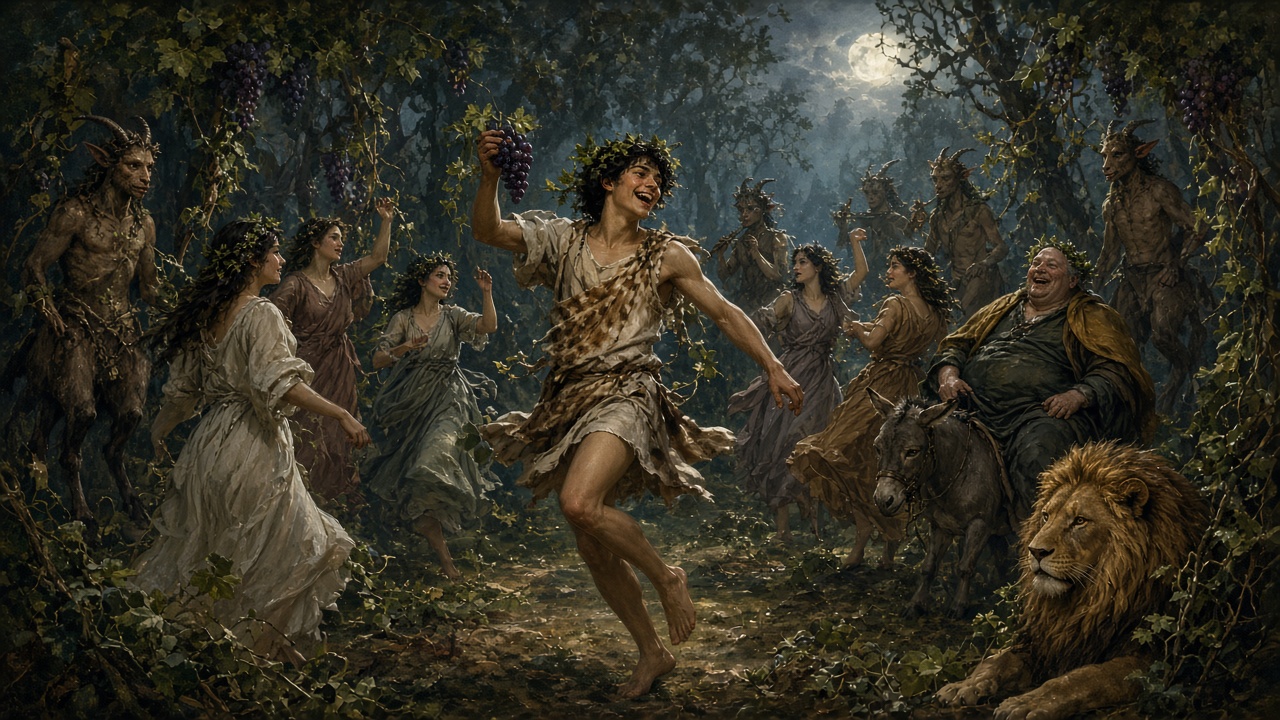
The wild young women who dance in Bacchus and Silenus’s procession during Narnia’s awakening.
- Nom original
- Maenads
- Autres noms
- Silenus
- Apparaissent dans
- Le Prince Caspian

The Maenads are the wild companions of Bacchus, who dance in the forests.
Ce qui leur arrive dans les livres
Le Prince Caspian
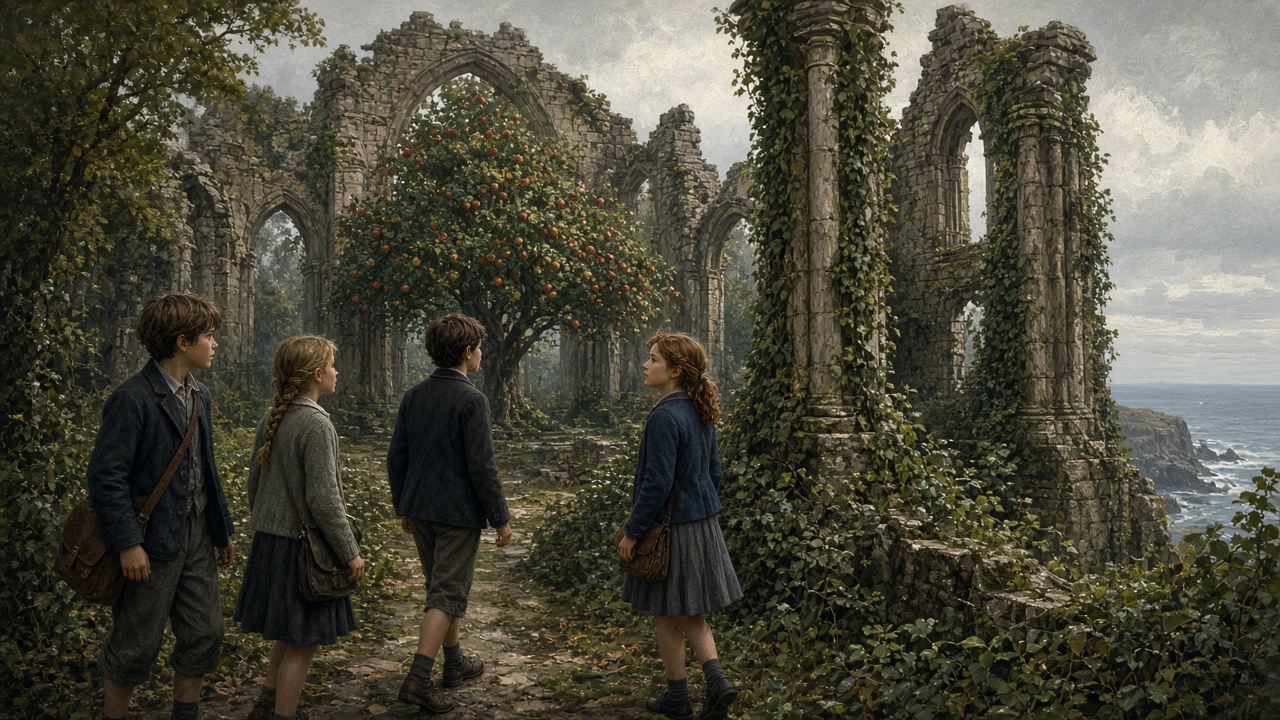
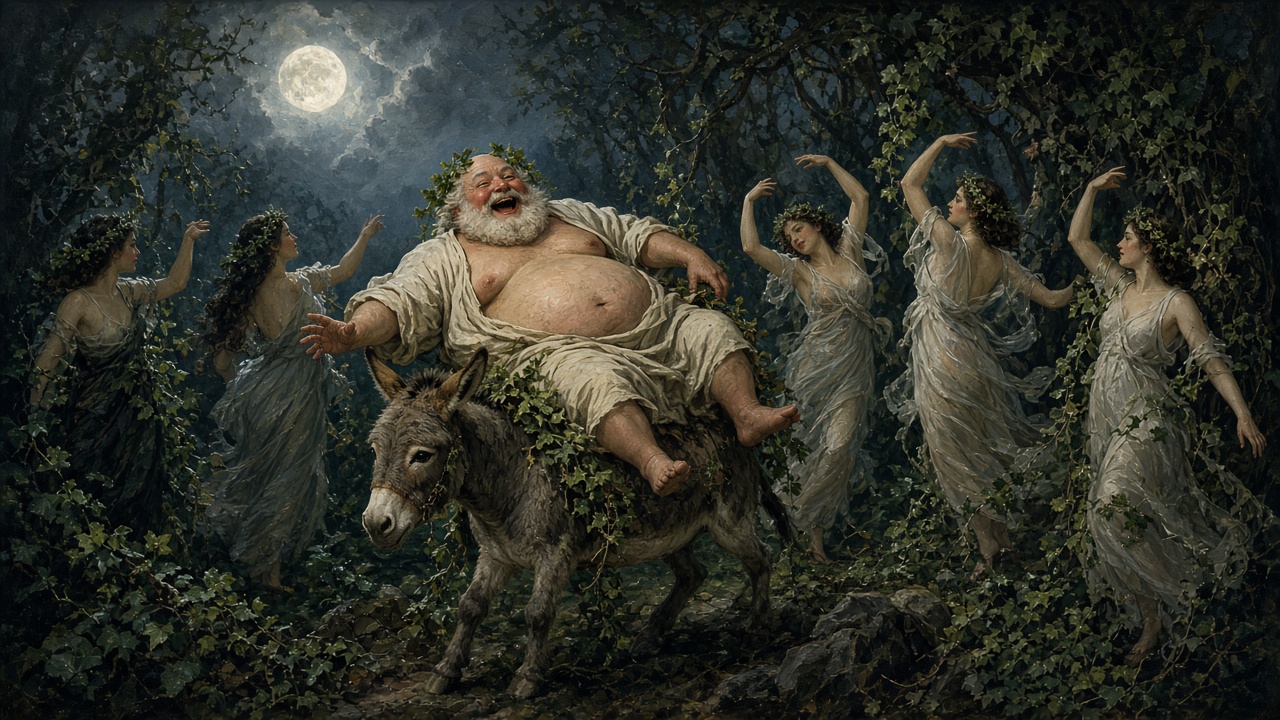
In Prince Caspian, Aslan awakens Narnia, and Bacchus appears : a wild young man, accompanied by the old Silenus on his donkey and maenads, frenzied young girls. They dance, cause vines to grow everywhere, and free the city of Beruna. Susan remarks that she wouldn’t feel safe with Bacchus and his maenads if Aslan weren’t there. Lewis depicts a joyful paganism, but one restrained by Aslan. In Greek mythology, maenads are the female followers of Dionysus. The old site alluded to this origin, as well as that of Silenus, Bacchus’s tutor.
They bring a mad joy, which Lewis considers dangerous without Aslan.
Image of life restored.
Les Maenads and Bacchus's companions dans les sept Chroniques
- Le Neveu du magicien
Absents de ce livre
- Le Lion, la Sorcière blanche et l'Armoire magique
Absents de ce livre
- Le Cheval et son écuyer
Absents de ce livre
- Le Prince Caspian
Elles dansent avec Bacchus et Silène lors du réveil de Narnia.
- L'Odyssée du Passeur d'Aurore
Absents de ce livre
- Le Fauteuil d'argent
Absents de ce livre
- La Dernière Bataille
Absents de ce livre

Liés à Les Maenads and Bacchus's companions
- Sur la carte



Dans la même famille


Ce qu’en disait blog.narnia.ch
Ménades
In ancient Greek times, they are called Bacchantes. They were the priestesses of Bacchus, women who celebrated the Bacchanalia. They were known for their dances. In Narnia, they are small wild girls who perform leaping dances. They follow Bacchus and Silenus.
> **Appearance in the books**
> *Prince Caspian*
Échanges entre lecteurs
Une question, un souvenir de lecture, une idée ? Partagez-les avec les autres lecteurs, dans le respect de la charte des commentaires.
Les commentaires ne sont pas disponibles pour le moment.
Les commentaires sont fermés sur cette page.
Aucun commentaire pour le moment. Soyez la première personne à partager votre avis !
Merci ! Votre commentaire sera visible après relecture.