For Lewis, Aslan was not an allegory but a "supposal"
As debate grows over Greta Gerwig's Aslan, a 1958 letter shows how Lewis himself thought about his lion.
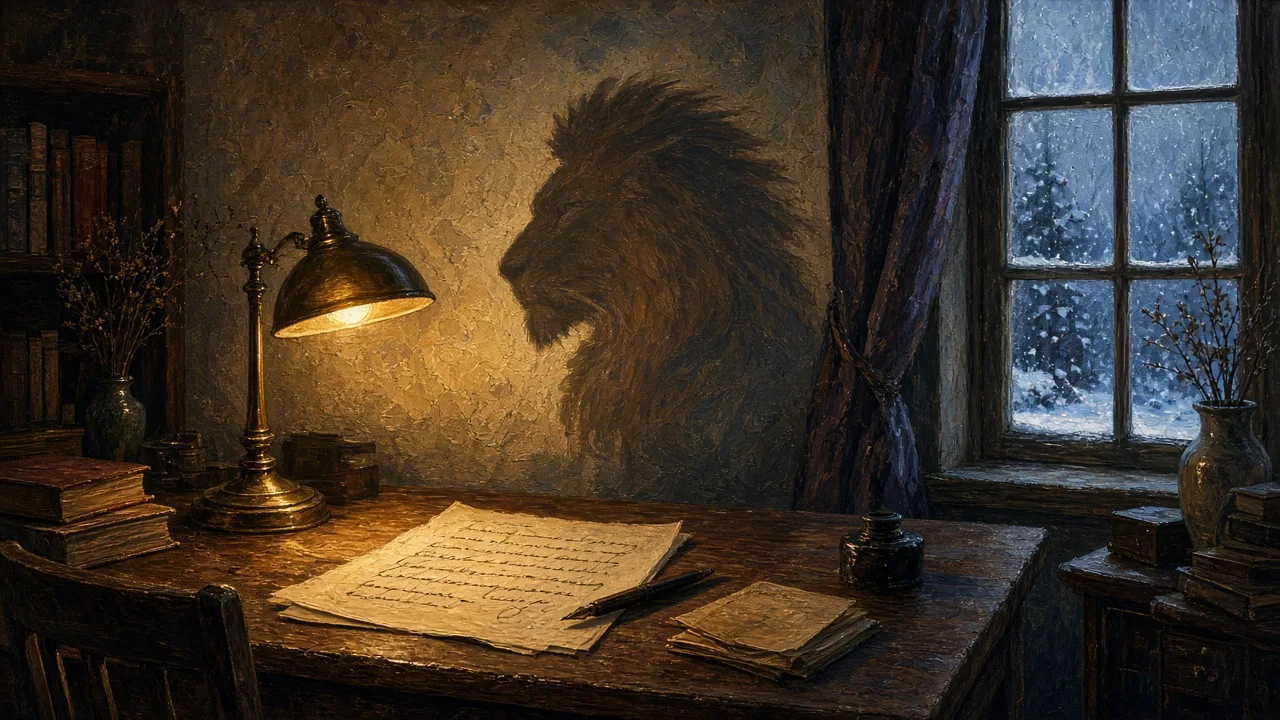
Narnia is often read as a Christian allegory, but Lewis rejected the word. On December 29, 1958, he wrote to a reader, Mrs Hook, and drew a careful line. An allegory, he explained, gives an invented body to an abstract idea, the way Bunyan turns despair into a giant.
Aslan works differently. Lewis called him a "supposal": an imagined answer to what Christ might become if a world like Narnia really existed and he chose to be born, die and rise again there. Within that premise, his death on the Stone Table would be as real an event as the one on Calvary. Lewis used the same approach in "Perelandra", supposing another planet whose first couple faces the test of Eden and does not fall.
It's a useful distinction for reading the books, and for following the conversation around the 2027 film.
Sources
- C. S. Lewis, letter to Mrs Hook, December 29, 1958, Letters of C. S. Lewis / Collected Letters, vol. III.
- The Conversation.
- Symbolism and allegory in Lewis.