Other Worlds: Essays and Stories
The essential collection for lovers of Narnia: Lewis explains how Narnia was born from an image, why he chose fairy tales, and what he thinks about children's literature.
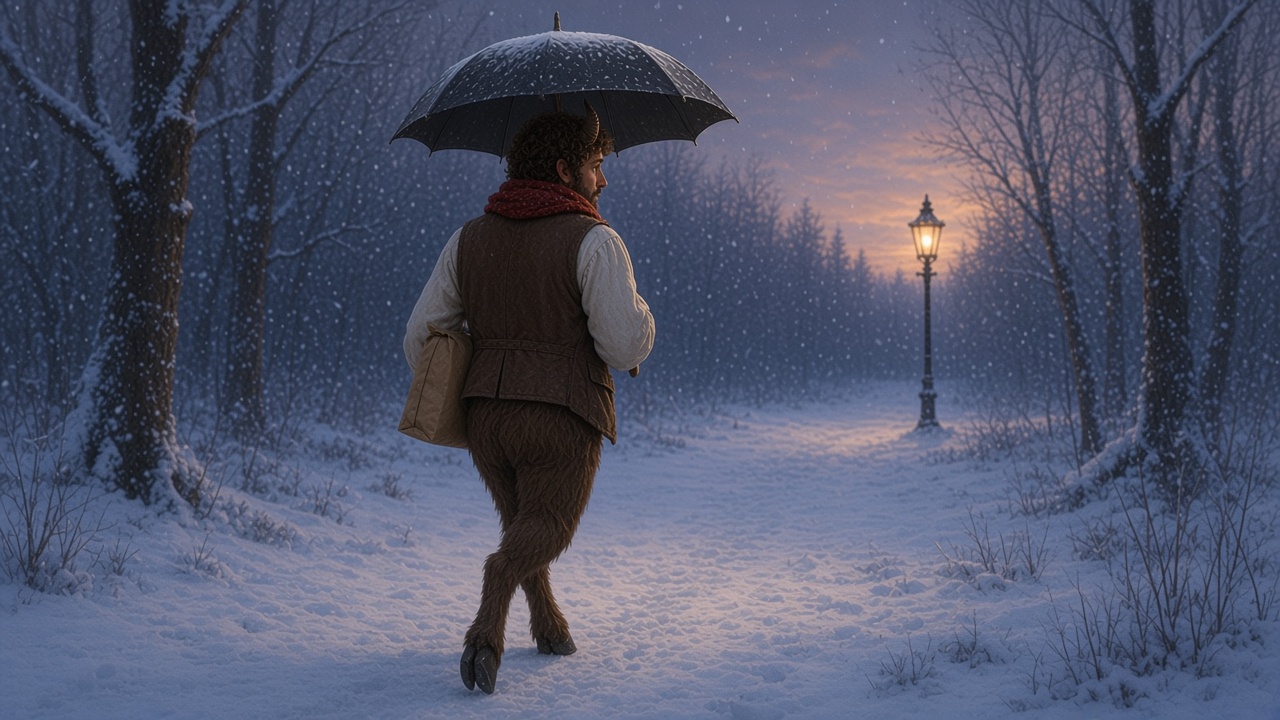
It includes Three Ways of Writing for Children (1952), where Lewis argues that a children's story that only appeals to children is a bad children's story; Sometimes Fairy Tales Say Best What's to Be Said (1956), where he recounts how fairy tales allowed him to “get past the watchful dragons”; It All Began with a Picture (1960), about the faun with an umbrella in a snowy wood; On Stories, a defense of atmosphere and wonder; and some unfinished narratives, including the beginning of a novel, After Ten Years.
- Original title — Of Other Worlds: Essays and Stories
- First published — 1966
- Genre — Essays on literature, unfinished stories
- First English edition — Geoffrey Bles, 1966, ed. Walter Hooper
- Availability in bookstores — Not translated as a collection; some essays are available in translation.
- Reading level — Easy to intermediate
- For whom — For all readers of Narnia who read English. Essential for teachers.
- Year — 1966
Other French titles
- On Stories (augmented collection, 1982)
themes
- Writing for children without condescension.
- Fairy tales as the perfect form.
- The birth of a story from images.
Short quotes with source
- A children's story that only appeals to children is a bad children's story. — “On Three Ways of Writing for Children” (1952) — website translation
Family
Essays
Other names
- Of Other Worlds: Essays and Stories
- On Stories (augmented collection, 1982)
- Essays on literature, unfinished stories
- Essays
The essential collection for lovers of Narnia: Lewis explains how Narnia was born from an image, why he chose fairy tales, and what he thinks about children's literature.
Quick facts
How to approach it
Level: Easy to intermediate. For all readers of Narnia who read English. Essential for teachers.
The book in a few lines
It includes Three Ways of Writing for Children (1952), where Lewis argues that a children's story that only appeals to children is a bad children's story; Sometimes Fairy Tales Say Best What's to Be Said (1956), where he recounts how fairy tales allowed him to “get past the watchful dragons”; It All Began with a Picture (1960), about the faun with an umbrella in a snowy wood; On Stories, a defense of atmosphere and wonder; and some unfinished narratives, including the beginning of a novel, After Ten Years.
In the world of Lewis
Hooper gathers essays published in journals between 1940 and 1960.
What announces Narnia
The 1960 text contains the story of the image of the faun, the starting point of Narnia that Lewis had in mind since he was sixteen.
What today's reader retains
Lewis's statement that a children's story that only appeals to children is a bad children's story has become a motto for many children's authors. For parents and teachers today, these essays are the best defense of fairy tales against those who dismiss them as too frightening or too simple.
His legacy
Essays cited in all studies on children's literature and fantasy.
Key ideas
- Writing for children without condescension.
- Fairy tales as the perfect form.
- The birth of a story from images.
To quote
“A children's story that only appeals to children is a bad children's story.”
— “On Three Ways of Writing for Children” (1952) — website translation
See also
- How Lewis created Narnia
- Experience in literary criticism
- Narnia at home and in the classroom: a guide for parents and teachers
- Mr. Tumnus
Sources
- https://en.wikipedia.org/wiki/Of_Other_Worlds
Échanges entre lecteurs
Une question, un souvenir de lecture, une idée ? Partagez-les avec les autres lecteurs, dans le respect de la charte des commentaires.
Les commentaires ne sont pas disponibles pour le moment.
Les commentaires sont fermés sur cette page.
Aucun commentaire pour le moment. Soyez la première personne à partager votre avis !
Merci ! Votre commentaire sera visible après relecture.